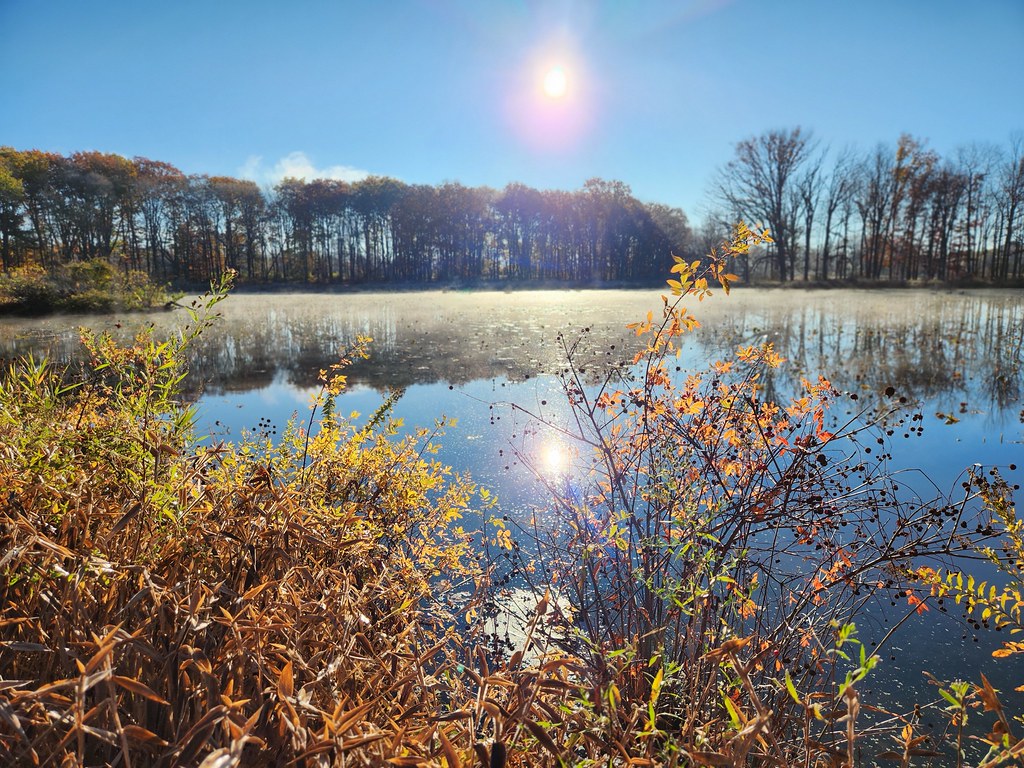
The Changing Seasons: A Look at Nature’s Cycles
As summer transitions into fall, nature undergoes remarkable transformations that illustrate the interconnectedness of all living things. This time of year serves as a vivid reminder of the cycles present in ecosystems, where energy flows and matter recycles continuously.
The Colors of Autumn
In September, we begin to witness the spectacular change in foliage as leaves turn from green to brilliant reds and purples. This transformation is primarily driven by decreased sunlight. As organisms respond to these environmental cues, many animals prepare by gathering food, growing thicker coats, or seeking shelter for the colder months ahead.
The Role of Fungi and Decomposition
Autumn also ushers in a proliferation of fungi. Decomposers like mushrooms thrive on decaying plant material, capitalizing on the abundant nutrients to produce fruiting bodies. On walks through local forests, groups can observe a variety of fungi alongside the changing leaves, highlighting the cycle of life, death, and regeneration.
Understanding the Food Chain
Children often learn about ecosystems through the concept of the food chain, where energy flows from one organism to another. An important point of confusion can arise with the direction of arrows representing this flow: they illustrate how energy moves up trophic levels rather than simply predatory relationships. For instance, while a snake consumes a frog, it is ultimately the energy from that frog that sustains the snake.
The Intersection of Ecology and Physics
Delving deeper, the fields of ecology and biophysics overlap in understanding these processes on a molecular level. Both energy and matter are crucial; while energy flows through the system, matter cycles. For example, carbon from a decomposed leaf becomes part of the soil, eventually contributing to new plant growth.
Energy Dynamics in Ecosystems
In ecosystems, energy flows from producers (like plants) to various consumers, but it does so with a degree of inefficiency. Typically, only about 10% of the energy from one trophic level is transferred to the next, with a significant amount being used for metabolic processes or lost as heat. Even when decomposers break down organic matter, they release heat, a process that can generate enough warmth to alter local microenvironments.
The Impact of Seasonal Changes
As the days shorten in fall, plants and animals alike must adapt to dwindling sunlight and colder temperatures. Photosynthesis declines in preparation for winter, leading to further shifts in food availability for various species. This seasonal change not only affects individual organisms but also cascades through the food web, altering entire ecosystems.
Conclusion
The Audubon Community Nature Center emphasizes the vital connections between humans and the natural world. Located between Warren and Jamestown, the Nature Center offers trails for exploration and opportunities to witness nature in all its splendor. As summer fades to fall, the interplay between energy flow and matter cycling serves as a profound reminder of nature’s intricate web of life. For more information, visit auduboncnc.org or call (716) 569-2345.


