[The update on the ongoing conflict in Iran will remain incomplete for now due to further developments. Please refresh this page at 7:30 AM EDT for the final report.]
Introduction
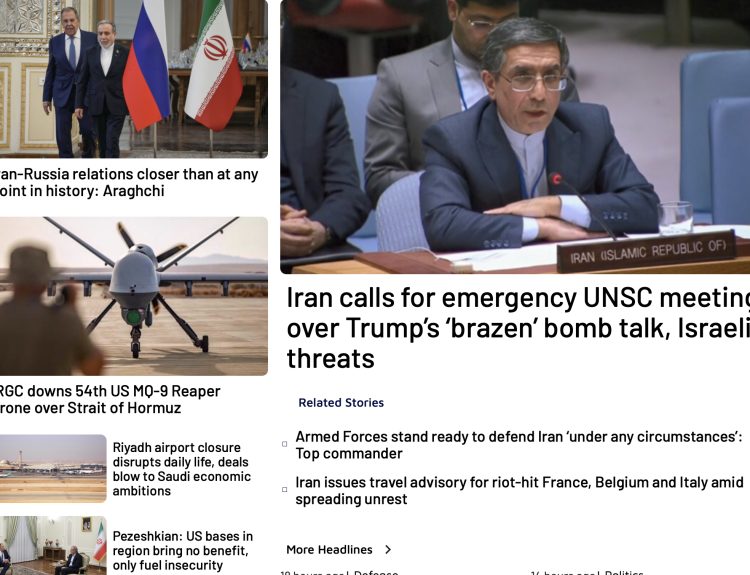
The conflicts in the Middle East, particularly involving Iran and Yemen, are approaching critical junctures. Various actors are engaged in efforts that may lead to significant shifts in power dynamics, whether through deliberate actions or unintended consequences. This precarious situation stems from escalating tensions that could disrupt various industries, especially those reliant on the Persian Gulf.
Current Situation
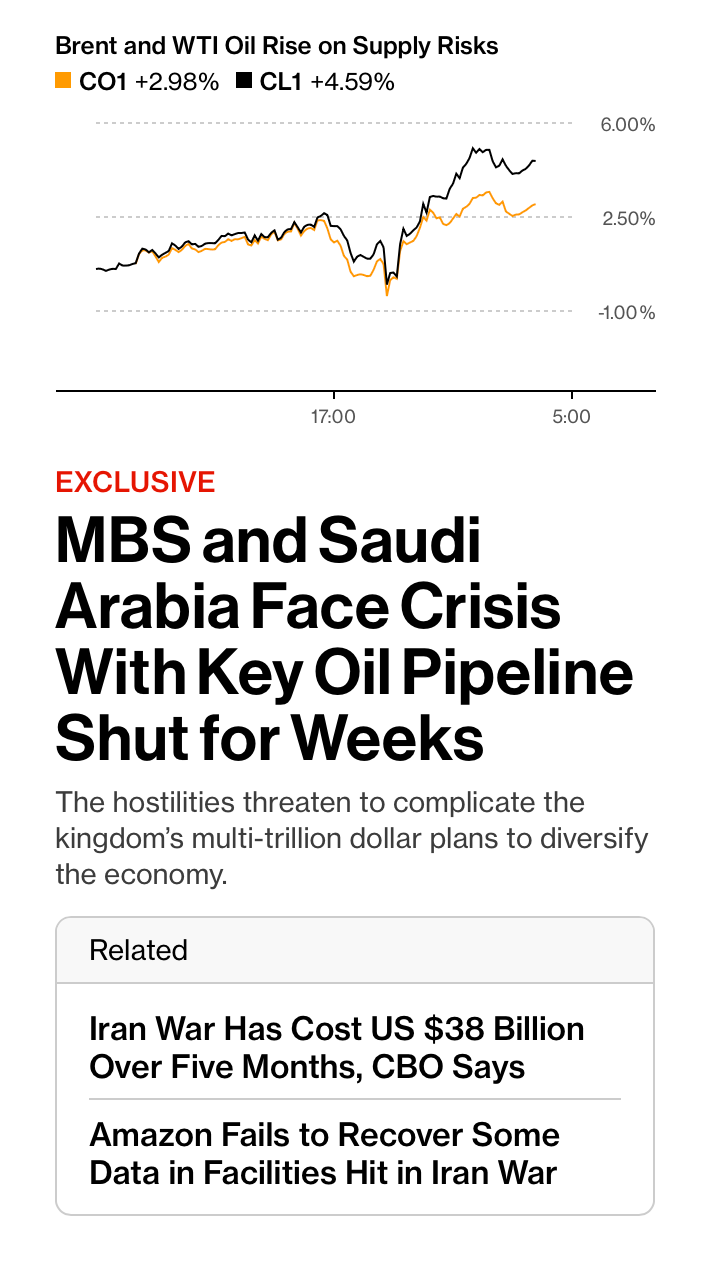
The anticipated energy crisis is emerging, particularly impacting oil and diesel supplies. Europe stands to be significantly affected, especially following Ansar Allah’s success in reducing Saudi petroleum exports. Recent updates from the European market highlight these developments:
BREAKING: Saudi Aramco has cancelled all of its September European crude oil allocations and is scrapping every cargo slated for late-September loading onward. A European trader noted there would be no Saudi oil cargoes at all until November, according to initial reports from oil trading firm Onyx and market sources.
This effectively removes the world’s largest exporter from the European market for the remainder of September and all of October, marking a de facto force majeure situation for Saudi crude exports to Europe.
— The Hormuz Letter (@HormuzLetter) September 15, 2026
@chigrl $18 premiums over Dated Brent indicate the market anticipates a prolonged outage, not a one-time incident. European refiners will now aggressively pursue West African and US oil grades, further tightening supply.
— Silk Road Guide (@SRG_News_NYC) September 16, 2026
Despite the media’s focus on the escalating conflict between Ansar Allah and Saudi Arabia, tensions are also rising for nations opposed to Iran, particularly concerning the Strait of Hormuz:
Strait of Hormuz Vessel Transits Drop to Four
Preliminary shipping data has revealed that vessel transits through the Strait of Hormuz dropped to a mere four on Tuesday, a decrease from seven the previous day, as reported by Reuters. Two vessels exited and two entered the waterway, significantly below the 10-day average of 18.
Additionally, from NO1’s daily update:
Global inventories have fallen to 7.6 billion barrels since the war began; the market remains backwardated until March. Chevron’s CEO has indicated that commercial stocks are running low and strategic reserves are largely depleted. Confidence: HIGH
In the United States, diesel prices are continuing to rise:
BREAKING: US diesel prices have surged to a new all-time high of $6.26/gallon, reflecting an increase of over 80% in just nine months. Truck drivers are now paying nearly $3.00 more per gallon compared to January. As a result, average gas prices in California, one of the nation’s most expensive states for fuel, have exceeded $6.00/gallon.
Amidst these developments, expectations of an imminent rate hike have also surged.
— The Kobeissi Letter (@KobeissiLetter) September 15, 2026
It’s crucial to remember that raising interest rates will not effectively mitigate price spikes caused by supply shocks… at least not before the economy feels substantial repercussions.
In light of these circumstances, US Senate Majority Leader John Thune has indicated a willingness to consider a diesel export ban, particularly since US refineries have been supplying both Europe and domestic markets.
Implications for Saudi Arabia and the US
The situation for Saudi Arabia is becoming increasingly precarious. The ongoing military conflict, including attacks like those on the Sana’a airport, exacerbates the kingdom’s struggles, placing additional pressure on both the US administration and its energy market.
Tucker Carlson recently revealed significant plans by the Trump administration regarding military support for Israel. They involve sending an estimated 40,000 Mark 84 and Blu-117 bombs to Israel, totaling around 40,000 tons of explosives. This unprecedented military transfer raises questions about the implications for regional stability and escalations.
Tucker Carlson emphasized the massive scale of this shipment, pointing out that it exceeds even the largest bombings of World War II in terms of total explosive weight.
It is concerning that these munitions are not being deployed in a traditional wartime context but rather in ongoing conflicts against irregular forces and civilian populations.
Evidence suggests that the Trump administration’s support for Israel, particularly regarding such large-scale arms shipments, may further escalate tensions throughout the Middle East and extend the current conflict with Iran.
Conclusion
The current state of the conflict holds significant potential for broader implications across the Middle East. As key actors engage in a series of actions that may destabilize governments and energy supplies, the urgency for diplomatic solutions becomes apparent. Increased public scrutiny on military support strategies could be essential to altering the trajectory of this ongoing crisis. The path forward remains uncertain, but the consequences of inaction could be dire.
As always, it is crucial for citizens to actively voice their concerns to local political representatives and the media, as they hold influential roles in shaping policy decisions.
We will continue to monitor these developments closely and provide updates as the situation unfolds.