Domestic Pets and Antibiotic-Resistant Bacteria: A Growing Concern
Overview:
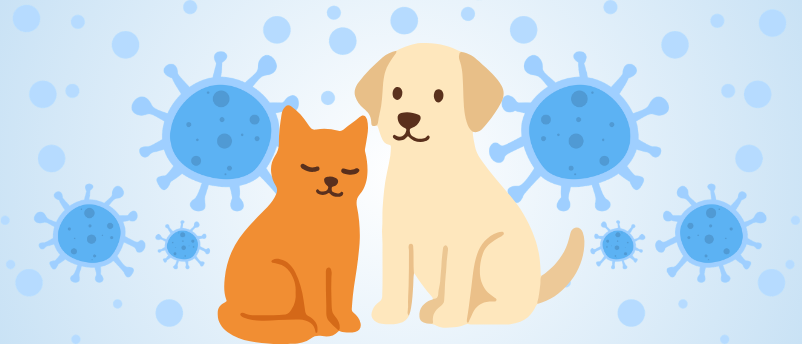
Recent research indicates that domestic cats and dogs may carry antibiotic-resistant strains of Klebsiella pneumoniae, a bacterium capable of causing disease in humans.
Key Findings:
-
Research Background: Conducted by Bournemouth University, the study analyzed over 700 bacterial genomes from pets, identifying strains with multidrug resistance. Some of these strains overlap with high-risk clones known to affect humans.
-
Global Health Challenge: Antimicrobial resistance (AMR) is a significant global health issue, prompting the need for detailed surveillance of potential reservoirs, including pets. Companion animals, due to their close relationships with humans, serve as potential vectors for bacterial exchange.
-
Diversity in Strains: The researchers compiled a dataset of 712 K. pneumoniae genomes from cats and dogs across 25 countries, discovering 263 distinct sequence types. Dominant high-risk lineages included ST307, ST11, ST15, and ST147.
-
Comparison to Human Strains: A comparison with over 38,000 human K. pneumoniae genomes showed a substantial overlap. Approximately 87% of pet-associated strains were also identified in humans.
-
Resistance Genes: The study found widespread distribution of resistance genes against critical antimicrobials among K. pneumoniae from pets. Notably, cat-derived isolates exhibited higher rates of multidrug resistance (80%) compared to dogs (56%).
-
Concerns About ST147: A specific strain, ST147, was noted for its close relationship to multidrug-resistant clusters found in both animals and humans.
Implications of the Study:
-
This research underscores the importance of including pets in AMR surveillance efforts, though it does not establish direct transmission between animals and their owners.
-
As Stephen Fordham, the lead researcher, stated: “This study does not tell us that our pets are making us ill, but it does highlight the significance of understanding how these resistant bacteria may circulate between species.”
Conclusion
While there is no immediate cause for concern regarding pet ownership and health risks, maintaining awareness of antibiotic resistance in pets is vital. This study emphasizes the need for comprehensive surveillance and further research to fully understand the role of companion animals in the antimicrobial resistance landscape.