Overview of China’s Emissions and Energy Trends in August 2026
In August 2026, indicators suggest a comprehensive decline in China’s emissions, attributed to diminishing fossil fuel use and reduced industrial output across key sectors including power generation, steel, cement, and refining. Despite these declines, clean-tech manufacturing and production of new energy vehicles (NEVs) continued to thrive, while thermal power capacity expansions saw a notable increase.
Key Trends
-
Emission Reductions:
- Thermal Power Generation fell by 4% year-on-year, as renewable sources, particularly solar and wind, met increased electricity demands.
- Major reductions were noted in the cement industry (-12%), crude steel output (-4%), and refinery throughput (-7%).
-
Fossil Fuel Supply:
- Coal production and imports decreased compared to the previous year.
- Oil and gas imports remain significantly below 2025 levels, indicating persistent supply chain disruptions.
-
Clean Energy Production:
- Strong performance in renewable energy sectors, with solar generation rising by 17.1% and wind generation increasing by 6.9%.
- New Energy Vehicles (NEVs) production rose by 21.9%, with NEVs constituting 61% of total vehicle production.
-
Thermal Power Capacity Additions:
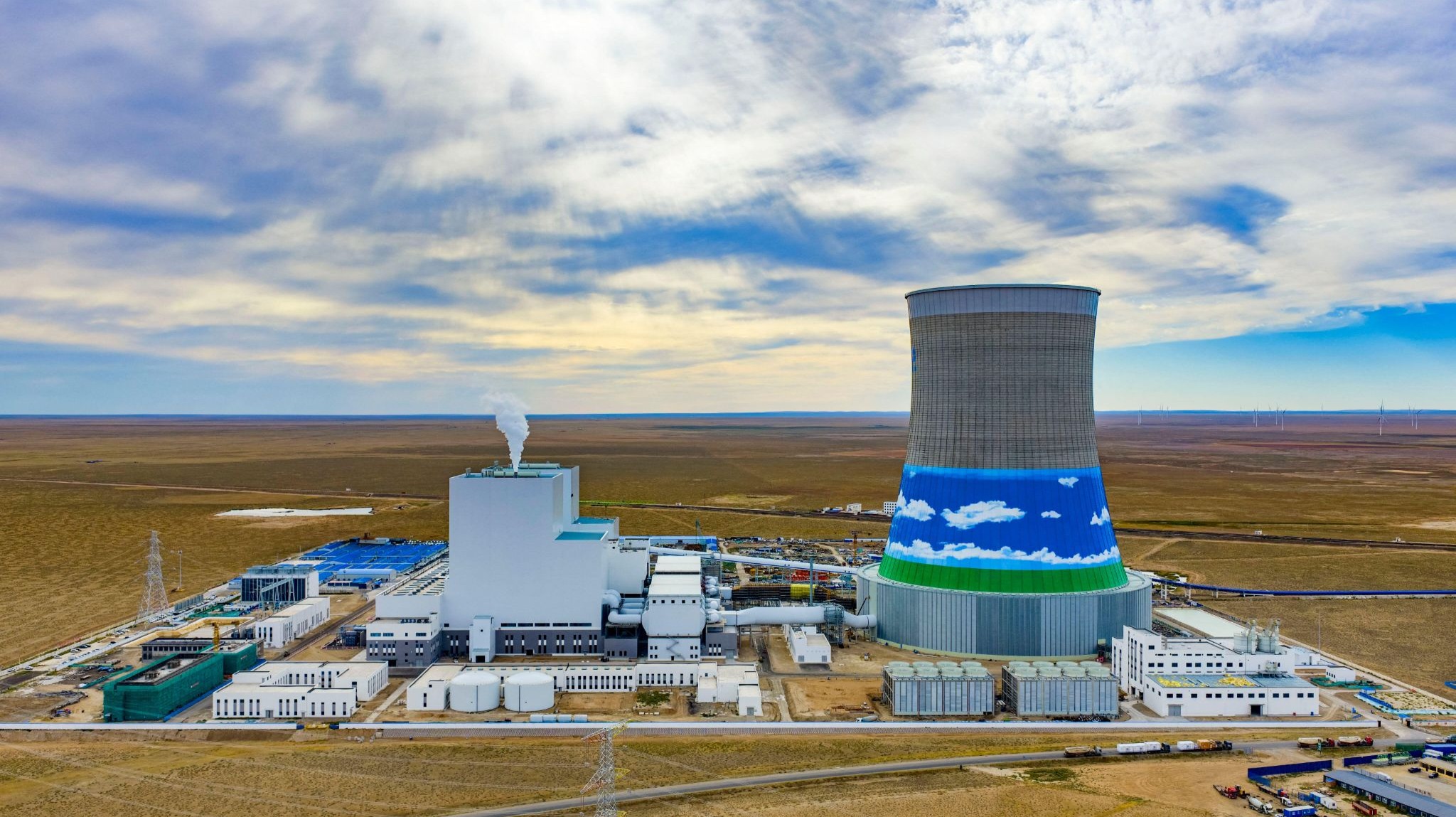
- The first seven months of 2026 saw thermal power additions reach 50.3 GW, marking a 20% increase from the previous year and the highest in 15 years.
-
Coal and Oil Imports:
- Coal imports fell by 1.5% year-on-year during August.
- Crude oil imports increased but remained 23% lower than last year, reflecting ongoing shipment disruptions.
-
Industrial Production:
- Crude steel output decreased by 3.7% year-on-year.
- Cement production remained depressed, signaling a continued slump in the real estate sector.
-
Future Projections:
- 2026 is projected to be a record year for coal power additions, reflecting ongoing reliance on fossil fuels even amidst clean energy advancements.
-
Neat Balance in Energy Mix:
- China’s overall power generation showed slight growth, with a total estimated increase of 0.6%.
- Coal’s share in the energy mix is under scrutiny as renewables pick up a larger share of the demand.
Implications
The duality of China’s energy landscape—marked by declining emissions accompanied by a surge in renewable energy capabilities and ongoing investment in coal infrastructure—highlights the challenges of transitioning to a low-carbon economy. The continuing strong performance of NEVs and clean technology sectors reflects a shift towards a more sustainable energy future, albeit within a context still heavily influenced by traditional fossil fuel dependence.
For further reading and insights into China’s ongoing energy transition, you can explore the resources linked throughout this summary.


