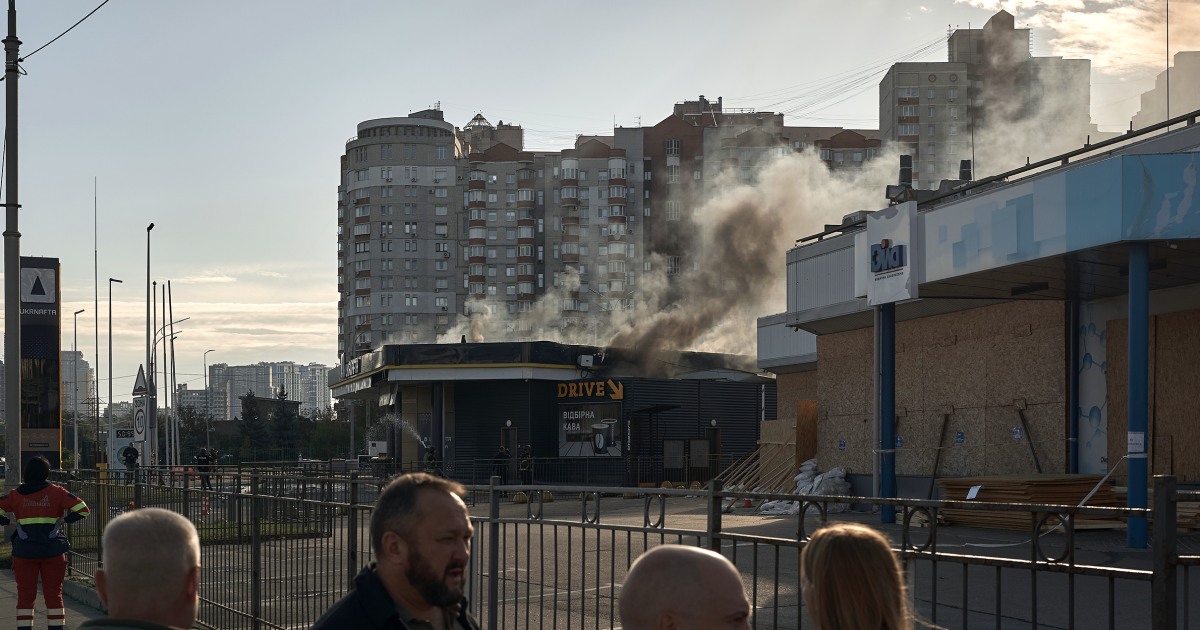
The situation between Ukraine and Russia is intensifying, with multiple developments:
-
Ongoing Attacks: The Kremlin has been conducting near-nightly drone and missile strikes on Kyiv and other Ukrainian cities. In retaliation, Ukraine has ramped up its attacks on Russian oil facilities and military targets.
-
Trump’s Announcement: Former President Donald Trump announced that the U.S. and Russia had agreed to cease aerial attacks, a move he claims is aimed at alleviating the global fuel crisis, which has led to record diesel prices in the U.S.
-
Zelenskyy’s Response: Ukrainian President Volodymyr Zelenskyy expressed skepticism about Trump’s statement, suggesting that Ukraine would only halt energy strikes if Russia does, citing distrust toward the Kremlin.
-
Kremlin’s Position: The Kremlin welcomed Trump’s proposal but indicated it was still under discussion with Washington, with spokesperson Dmitry Peskov calling it a “very good idea.”
-
White House Silence: The White House has not clarified the situation and any agreement details, noting a disconnect between Trump’s statements and actual events.
-
Ceasefire History: In May, Trump facilitated a three-day ceasefire, during which time Putin had a “victory day parade.” More recently, there was another three-day pause in strikes, yet real progress from negotiations led by Trump’s envoys has not been established.
-
Price Blame Game: Trump attributed rising diesel prices to the Russia-Ukraine conflict, overlooking impacts from recent U.S. actions against Iran.
-
New Offensives in Ukraine: Meanwhile, Ukraine has launched a new offensive in Donetsk, claiming to have cleared Russian infiltration groups and recaptured territory.
-
NATO Developments: NATO is reacting to tensions, with jet fighters downing an unidentified drone in Lithuanian airspace. Concerns have escalated about Russian attacks near NATO territories.
-
Denmark’s Response: Denmark has summoned Russia’s ambassador following an incident involving a Russian warship firing flares at a Danish military helicopter.
Overall, the conflict’s complexity is growing, marked by military actions, political negotiations, and international ramifications.


