The article discusses the similarities between poker and turn-based strategy games, highlighting how both require careful decision-making rather than relying on luck or speed. Here are the key points summarized:
Key Insights:
-
Decision-Making Over Outcome:
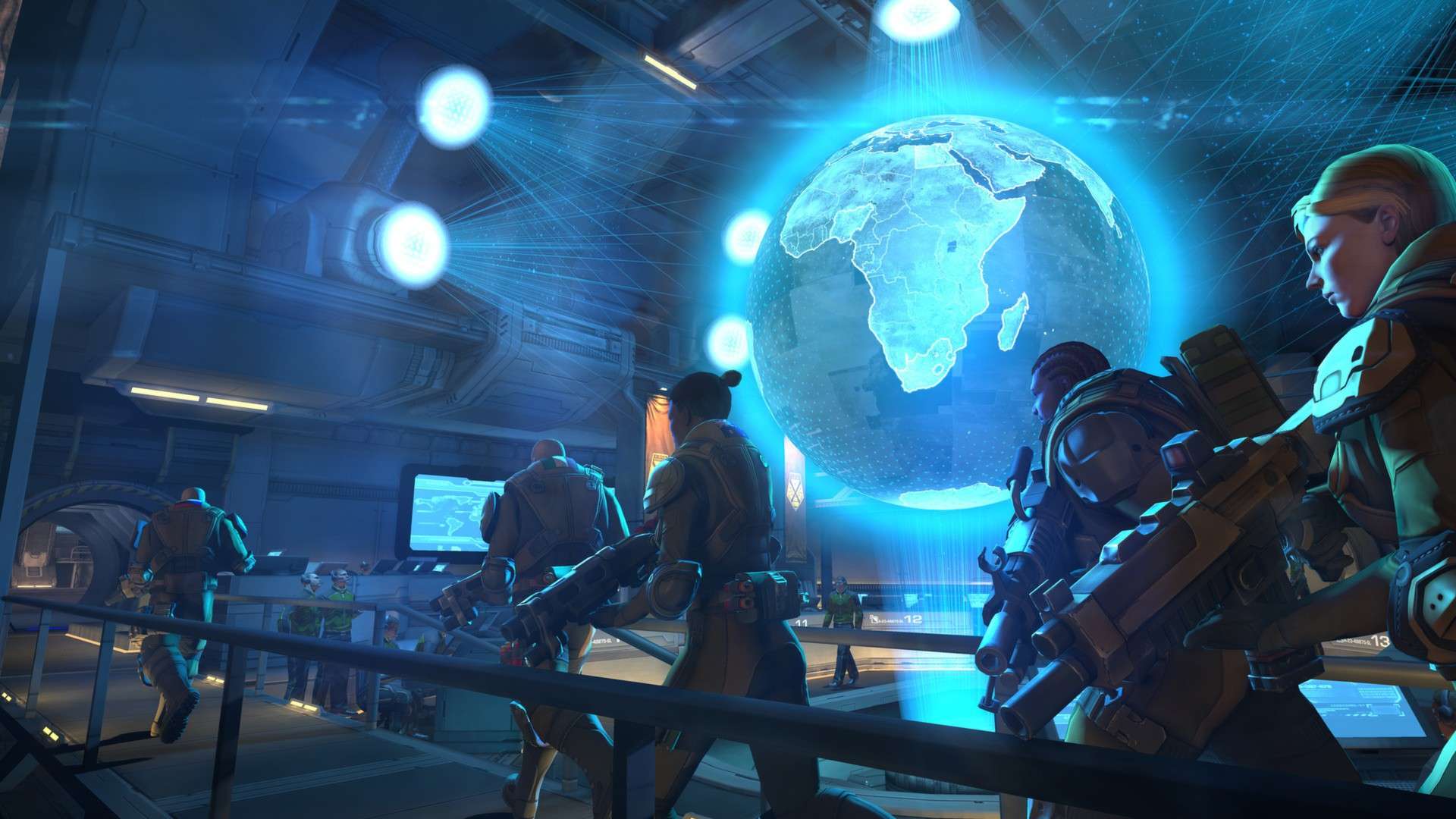
- In games like XCOM: Enemy Unknown, players can miss high-percentage shots, paralleling how poker players can lose despite playing well. The focus should be on assessing the decision itself, not just the outcome.
-
Untimed Turns:
- Unlike real-time games that reward quick reflexes, turn-based games allow players to think carefully without time pressure, emulating the strategic thought processes of serious poker.
-
Understanding Odds:
- XCOM displays hit percentages that may not accurately reflect the actual odds. Similar to poker, players learn to interpret these numbers critically, focusing on decision quality over immediate results.
-
Practicing Skills:
- Turn-based strategy games offer a risk-free environment to develop calculation and decision-making skills, akin to poker practice across different formats.
-
Perfect Information:
- Games like Into the Breach provide complete transparency regarding enemy actions, allowing players to refine their strategic calculations, similar to analyzing poker hands without hidden information.
-
Long-Term Planning:
- Games like Civilization emphasize long-term strategy and resource management, akin to managing a poker bankroll over time.
-
Cost of Failure:
- Losing in a poker game has financial consequences, while failing in a strategy game allows for repeated attempts without monetary loss, serving as a valuable learning tool.
-
Shared Framework:
- Both poker and turn-based strategy games focus on decision-making based on probabilities, making them ideal complementary activities for players.
In conclusion, the article posits that poker players can benefit from engaging with turn-based strategy games, as they enhance the same skills needed at the poker table.