 “Injustice, swift, erect, and unconfin’d,
Sweeps the wide earth, and tramples o’er mankind” – Homer, The Iliad
When Mount Vesuvius Erupted
On August 24, 79 A.D., life in Pompeii was idyllic, seemingly perfect in every way. The gods appeared to favor this bustling Roman trading town with prosperity.
The fortunate residents resided in spacious homes complete with beautiful courtyard gardens and all the comforts of modernity. They enjoyed central heating from hot air circulating through cavity walls and beneath the floors. Fresh water flowed to homes and public buildings through a comprehensive network of underground pipes.
The bustling Macellum provided fresh fish from the Bay of Naples, while numerous cauponae offered diverse dining options. The grand amphitheatre was a hub of entertainment. Life was pleasant and optimistic, filled with a sense of continuous improvement that almost everyone felt confident about.
Having progressed steadily for nearly 700 years since its founding, the idea of decline seemed unfathomable. The thought of anything disrupting this prosperity seemed to exist only in the minds of pessimists.
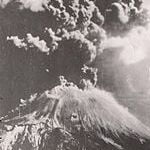
However, in a sudden turn of events, Mount Vesuvius erupted, and within nineteen hours, the vibrant life of Pompeii was silenced for a staggering 1,669 years.
Desperate Prayers for Death
Looking back at historical events often casts the past in an unfair light. The miscalculations of historical figures become glaringly evident, their failings stark and their vulnerabilities comical. To contemporary eyes, they may seem like mere fools.
Take George Armstrong Custer: was he merely an arrogant Lieutenant Colonel leading his men to doom at Little Bighorn, particularly when outnumbered by Sitting Bull and Crazy Horse? Or consider George Donner and his brother Jacob, who led their party into the Sierra Nevada in the late fall only to face deadly storms. Were they naive and foolish to the point of tragedy?
Ultimately, they were human, just like us—neither significantly wiser nor more foolish. Our introspection should not be one of ridicule but of valuable lessons to be learned.
In ancient Pompeii, ominous signs were present for those willing to notice. A significant earthquake had struck seventeen years prior, causing substantial damage to the city’s infrastructure. Leading up to August 79, smaller tremors plagued the region, yet they largely went ignored.
Ignoring these clear warnings proved disastrous. The eruption of Mount Vesuvius occurred just a day after the Vulcanalia, the festival honoring the Roman god of fire. A torrent of gas and ash descended upon Pompeii, bringing instant death to its residents and burying the city beneath sixty feet of ash and pumice.
Pliny the Younger, who lived from 61 A.D. to 112 A.D., recounted the terrifying scenes: “You could hear women lamenting, children crying, men shouting. There were those so terrified of death that they prayed for it. Many raised their hands to the gods, while even more believed that the gods had abandoned them, and this was an endless night for the world.”
Warnings from Mount Vesuvius
Recently, news emerged regarding the supervolcano Campi Flegrei, located just west of Naples and not far from Mount Vesuvius, which has entered a critical phase. This situation threatens the lives of 360,000 people. According to Dr. Christopher Kilburn from the University College London Hazard Centre:
“By studying how the ground is cracking and moving at Campi Flegrei, we believe it may be approaching a critical point where further unrest heightens the likelihood of an eruption, and it’s crucial for authorities to be prepared.
“While we cannot predict exactly when or if this ongoing unrest will culminate in an eruption, Campi Flegrei is following a pattern we’ve observed in other volcanoes, such as Rabaul in Papua New Guinea, El Hierro in the Canary Islands, and Soufriere Hills on Montserrat in the Caribbean.”
On Wednesday, a metaphorical eruption occurred in U.S. stock markets as they experienced a significant decline. At market close, the DOW dropped by 1.78 percent, the S&P 500 by 1.82 percent, and the NASDAQ by 2.57 percent. What does this mean?
Did investors sell in May and take their leave? Are they reacting to the Trump administration? Should one buy the dip or sell the rip?
Truthfully, no one has a definite answer. This could be nothing more than a temporary setback before a rise to 30,000 DOW, or perhaps it signifies the early tremors of a more significant market downturn.
Regardless of your interpretation, it’s wise to take heed of this warning. If you listen closely, you might still hear the echoes of Pompeii’s ancient residents, urging us, “Get out while you still can! This is your final chance!”
Sincerely,
MN Gordon
for Economic Prism

