The Changing Landscape of Campus Life: Embracing Peacemaking
The narrative of campus life as a divisive and hostile environment is beginning to evolve. Factors such as institutional reform and efforts to regain trust are crucial, but student initiatives play a significant role. Increasingly, students are expressing their fatigue with ongoing partisan conflicts.
Campus Peacemaking Initiatives
Ross Irwin from BridgeUSA highlights a common sentiment among students; many have witnessed friendships and family relationships strained by political disagreements. Irwin emphasizes that students are searching for spaces to express their true opinions freely.
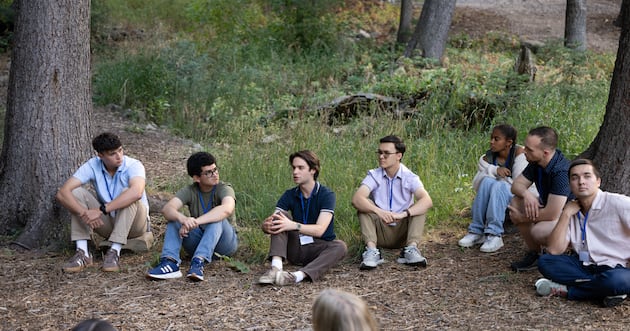
At the National Student Conference for Peacemaking, organized by BYU’s Peacemaker Project, student leaders from numerous campuses convened to discuss fostering dialogue and understanding. These efforts illustrate that, contrary to the prevalent view of division, many bright and compassionate leaders are committed to addressing the current political climate.
The movement gained momentum following President Russell M. Nelson’s “Peacemakers Needed” talk in 2023, which resonated deeply, compelling students to take action to bridge divides.
Key Principles of Campus Peacemaking
-
Seeing Individuals, Not Positions: As student leader Alexa Moldenhauer emphasizes, establishing connections through empathy can help overcome disagreements. Love for one’s neighbor is about seeing them as individuals rather than merely as their political stance.
-
Pursuit of Peace: Robin Young from NYU articulated the power individuals possess in promoting peace, motivated by religious teachings to “live peaceably with all.” She serves as an example of peaceful activism that can emerge from faith backgrounds.
-
Embracing Difficult Conversations: Initiatives like BridgeUSA’s have successfully engaged thousands of students in meaningful discussions on contentious topics. These platforms highlight students’ readiness to tackle divisive issues head-on.
-
Gradual Practice: Engaging in dialogue across differences can be a gradual process akin to developing a muscle. Even though the growth of dialogue efforts is slow, they are crucial for fostering understanding and connection.
-
Reframing Success: Success in dialogue is redefined not as winning a debate or changing minds but as achieving mutual understanding and recognizing the dignity of every participant.
Building a Culture of Engagement
The student leaders involved in these initiatives emphasize that peacemaking doesn’t necessitate abandoning one’s convictions. Instead, it calls for listeners to engage with humility and curiosity. Such interactions can create a supportive environment where open dialogue flourishes.
Moldenhauer articulates the essence of this movement: “It is about creating ways for people to hold those convictions while still listening carefully.” This approach is pivotal for sustaining engagement even amid unresolved conflicts.
In conclusion, the landscape of campus life is shifting towards more constructive interactions. The emphasis on peacemaking brings hope for genuine dialogue that can withstand disagreement, fostering a community built on understanding rather than division.


