Key Points on Invasive Species and Their Impact
-
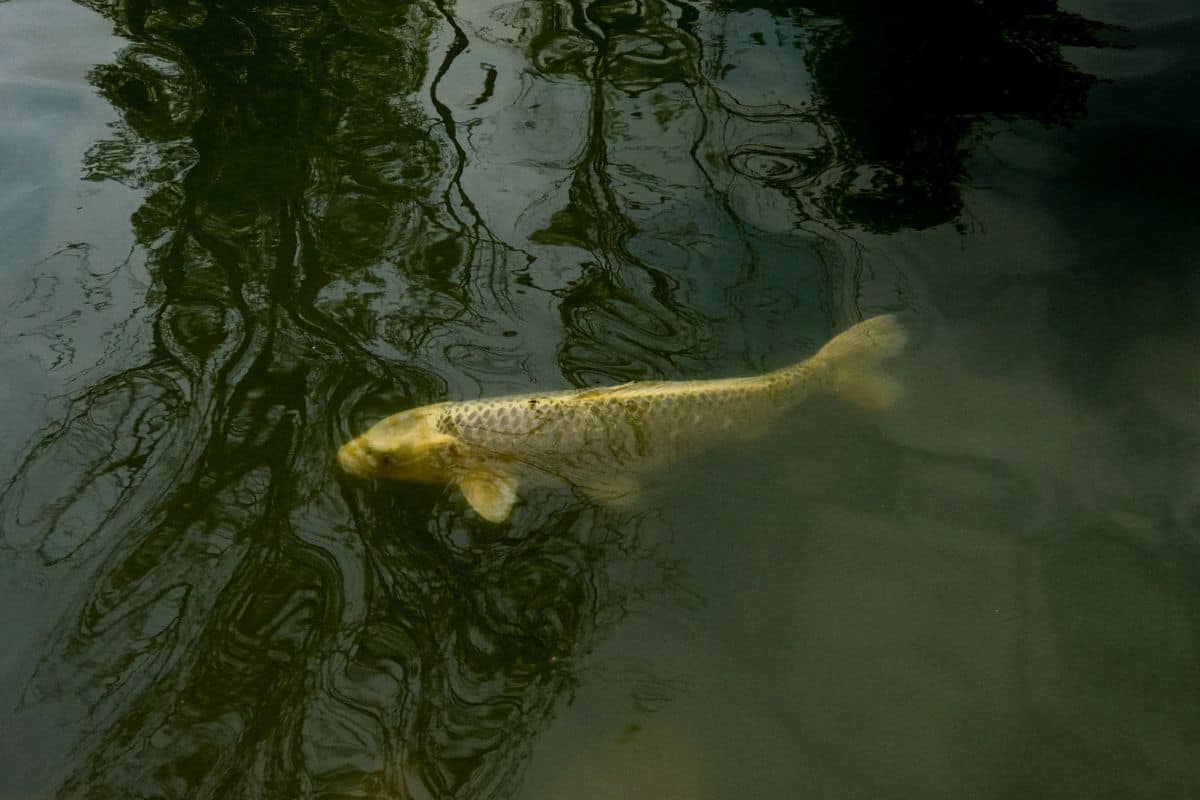
Releasing Pets: Many people believe that releasing a pet goldfish into a pond is harmless, but it can have long-lasting ecological consequences.
-
Culinary Solutions: Invasive fish species have become such a problem in some areas that authorities suggest eating them as a control measure.
-
Native vs. Invasive Species: Not every unfamiliar fish in U.S. waters is a threat. It’s crucial to identify native species correctly to avoid miscalculations that could harm local ecosystems.
-
Broad Impacts: Invasive species damage wildlife and can also affect broader aspects such as local economies and public health, often unnoticed.
Invasions That Start Close to Home
The spread of invasive species often stems from seemingly harmless actions like releasing unwanted pets into water bodies. Goldfish, though common, can survive for decades and disrupt local ecosystems by outcompeting native species.
Organizations are working to educate pet owners on the proper disposal of aquatic pets to mitigate these issues.
The High Cost of New Arrivals
Invasive species like zebra mussels and silver carp can invade new environments through various means, leading to ecological disruption, economic losses, and health concerns. Local fisheries face significant challenges from these non-native species.
What Happens When Species Settle In?
Many invasive fish species, such as snakeheads and lionfish, have become significant threats. It’s essential to be able to distinguish between invasive and native species, as misidentification can lead to illegal transport and increased spread. Some officials are promoting the consumption of invasive species as a control method.
Becoming Part of the Solution
Public awareness and vigilance are crucial to combat invasive species. Individuals are encouraged to report sightings and educate themselves on identifying different species. Every effort counts in managing the spread of invasive species and protecting local ecosystems.