
The high-fat, low-carbohydrate ketogenic diet has surged in popularity recently, largely due to claims of rapid weight loss. However, new research involving mice has raised significant concerns about potential side effects associated with this diet.
“I highly recommend that anyone considering a ketogenic diet consult a healthcare provider first,” advises physiologist Molly Gallop, the study’s lead author.
Conducted by a team at the University of Utah, the study found that while mice on a keto-like diet experienced weight loss, they also developed fatty liver disease and exhibited impaired blood sugar regulation.
Though these findings have not yet been confirmed in humans, they suggest that the biological effects induced by the keto diet may not all be supportive of optimal metabolic health.
Related: We Were Wrong About Restrictive Diets, Decades of Research Says
“Previous research has focused primarily on short-term weight loss, with little investigation into the long-term effects on overall metabolic health,” noted Gallop.
The ketogenic diet is named after ketosis, a metabolic state where the body shifts from using glucose to burning fat for energy. Achieving this state requires a high intake of fats and a drastic reduction in carbohydrates.
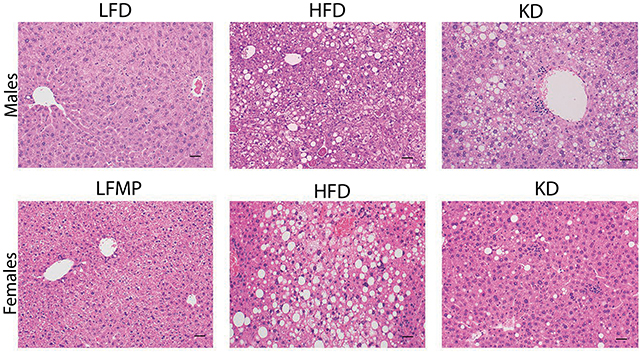
In this recent study, mice were placed on four distinct diets for at least nine months: a high-fat (Western-style) diet, a very high-fat low-carb (keto-style) diet, a low-fat high-carb diet, and a balanced low-fat diet with protein levels comparable to the keto-style diet.
When compared to the standard high-fat diet, mice on the keto diet gained significantly less weight. Nonetheless, male mice that followed the keto diet developed fatty liver disease and showed dysfunctional liver function, indicating signs of metabolic disorders.
“It’s evident that a very high-fat diet causes lipids to accumulate, often in the bloodstream and liver,” explained Amandine Chaix, a senior author of the study from the University of Utah.

Both male and female mice on the ketogenic diet exhibited low levels of blood glucose and insulin within two to three months. Further investigation revealed that this was due to problems with insulin regulation, as pancreatic cells were not producing sufficient insulin.
While additional studies are necessary to fully understand the underlying mechanisms—and to uncover why liver issues seem to be linked to sex—the researchers propose that an overload of fats (or lipids) in the blood may be stressing the pancreatic cells, impairing insulin production.
On a positive note, blood sugar regulation normalized in mice removed from the ketogenic diet, suggesting that these adverse effects can be reversed.
The ketogenic diet was initially developed to treat epilepsy and is still employed for this purpose today. Ketosis mimics certain metabolic effects of starvation, pushing the body to rely on fat instead of sugar for energy, which researchers believe may also lower seizure frequency.
However, concerning other uses of the diet, this study, along with prior research, indicates that the potential health risks may outweigh the benefits of weight loss.
This study’s findings have been published in Science Advances.