In today’s age, navigating the complex world of nutrition can be overwhelming, especially when influenced by social media platforms like podcasts, Instagram, TikTok, and Facebook. You’re not alone if you find yourself unsure about dietary choices amid a torrent of misleading and inaccurate nutrition information.
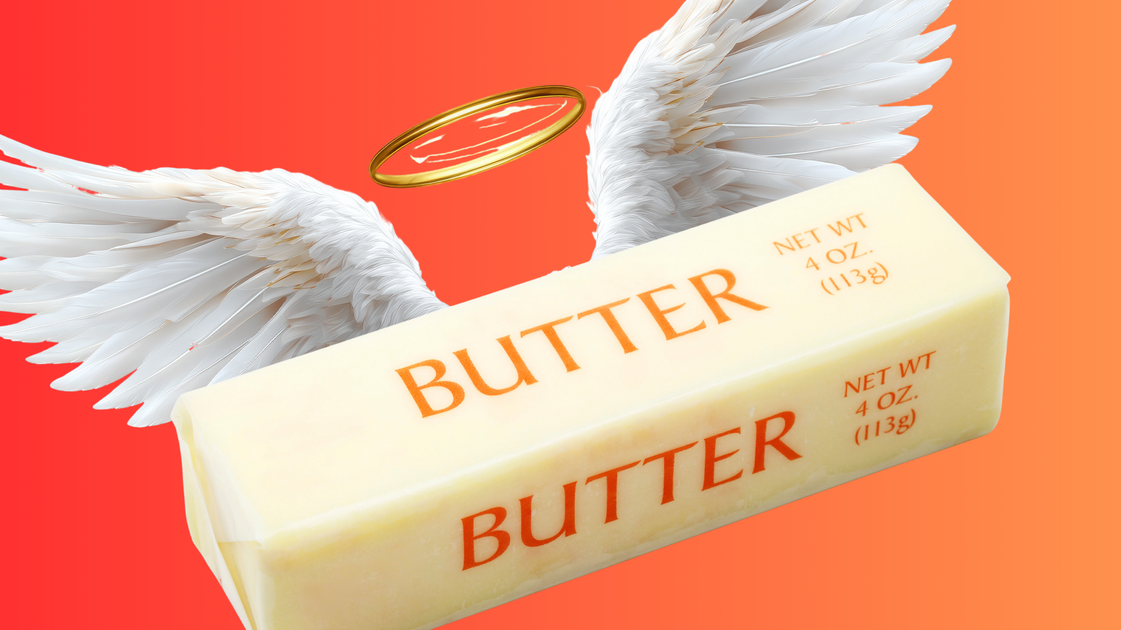
Take, for example, the recent trend surrounding butter, with some promoting it as a health food compared to olive oil and other vegetable oils. But is this narrative accurate?
Nutrition claims often stray from the facts, and while butter can feature in a balanced diet, evidence suggests that olive oil is the superior choice, particularly concerning heart and metabolic health.
“Research consistently shows that vegetable oils are healthier than butter,” explained Dr. Nate Wood, assistant professor of medicine at Yale School of Medicine. “Oils derived from olives, avocados, or seeds are rich in heart-healthy unsaturated fats.”
Here’s what nutrition experts want you to understand about the comparison between butter and olive oil, including their effects on the body, nutritional value, and the reasons behind the differences.

The confusion surrounding the notion that ‘butter is healthy’
“A prevalent misconception is that less processed fats, like butter, are inherently healthier,” noted Wood. “While minimizing processed food is essential, butter, even though it’s less processed than some fats, isn’t a wise choice.”
Butter’s rising popularity also ties into trends such as backlash against low-fat diets, interest in whole foods, and growing skepticism towards seed oils, explained Jacqueline Vernarelli.
Many equate butter’s minimal processing with heart health, but as Vernarelli emphasized, “natural” does not equal “heart-healthy.” Butter may not be toxic, but it lacks the nutritional benefits of oils rich in unsaturated fats.
The latest 2025-2030 U.S. Dietary Guidelines for Americans add to the confusion by recommending limiting daily saturated fat to 10% of total caloric intake while suggesting the use of nutrient-dense fats, like olive oil. However, olive oil isn’t actually an essential fatty acid source.
These guidelines promote saturated fats from so-called “real food” sources, causing a contradiction: adhering to these recommendations while keeping under 10% saturated fat consumption would be challenging.
Experts weigh in on butter vs. olive oil
While both butter and olive oil are fats, they have different fatty acid profiles.
Butter is primarily saturated fat, associated with adverse health effects. A single tablespoon of butter contains about 11.5 grams of fat, including more than 7 grams of saturated fats.
In contrast, olive oil is rich in heart-healthy monounsaturated fats. A tablespoon of olive oil contains 13.5 grams of fat, with less than 2 grams saturated, nearly 10 grams monounsaturated, and just under 1.5 grams polyunsaturated fats.
“Diets high in saturated fat correlate with elevated LDL cholesterol and heightened heart disease risk,” said registered dietitian Dalia Beydoun. “Extensive studies indicate that higher saturated fat intake is linked to increased all-cause mortality, whereas polyunsaturated fats are correlated with lower risks of heart disease and cancer.”
Moreover, replacing saturated fats like butter with unsaturated fats, such as olive oil, can lower LDL cholesterol levels and reduce the risk of heart disease.
“This is one of the most consistent principles in nutrition science,” added Vernarelli.
A recent 2025 study, published in JAMA Internal Medicine, indicated that substituting 10 grams of butter with 10 grams of plant-based oils resulted in a 17% decrease in all-cause mortality—including cancer-related deaths.
Evidence strongly supports the consumption of olive oil for heart health. One study found that consuming approximately half a tablespoon of olive oil daily is linked to a significantly lower risk of heart disease.
Deciding between butter and olive oil
While butter isn’t the healthiest option, it can still be enjoyed in moderation as part of a well-rounded diet. “Food serves not only nutritional purposes but also provides flavor, texture, and pleasure,” noted Beydoun. “Butter can enhance some recipes, particularly baked goods where liquid oils might not suffice.”
However, butter should not be your primary cooking fat, particularly if heart health is a concern. “For sautéing, roasting, and dressings, olive or another unsaturated oil is the better choice,” Beydoun emphasized.
If you have a family history of heart disease or elevated LDL cholesterol, opting for olive oil or canola oil is advisable, according to registered dietitian Amy Goldsmith.
The American Heart Association recommends limiting saturated fat intake to 6% of total daily calories.
“For a 2,000-calorie diet, this means just 13 grams of saturated fat,” Goldsmith explained. “Since a teaspoon of butter contains 7 grams of saturated fat, it’s crucial to be aware of other sources of saturated fat in your diet.”
When deciding what fats to use, Goldsmith suggests considering both portion sizes and your overall saturated fat intake. Remember that many foods, such as fatty meats, cheese, ice cream, and coconut oil, contain saturated fats. “Understanding your intake and health can lead to more informed choices,” she emphasized.


