
Time management: Daily habits that will help you save time
Every day, around 40% of our decisions stem from habits, which signifies the power of routine in shaping our lives. The good news is that through consistent practice, we can cultivate new habits that enhance our daily efficiency.
Time is an invaluable and finite resource. Mastering time management is essential for leading a productive and fulfilling life. The first step in this process is recognizing the importance of your time.
Often, we squander precious minutes on trivial matters, procrastinating and letting distractions derail our focus. While others can contribute to time waste, it typically only happens if we permit it.
So, how can we cultivate habits that genuinely save time? The answer lies in consistency and repetition.
Identifying the key time-management habits to embrace will depend on your unique responsibilities and priorities. Below are some crucial habits that have proved beneficial for me.
TIME MANAGEMENT: DAILY HABITS THAT WILL HELP YOU SAVE TIME

1. MAXIMIZE YOUR MORNINGS AND EVENINGS
Spend a few moments in the evening organizing for the following day. Prepare as much as you can—whether it’s your meals, attire, or gym bag. By planning ahead, you reduce the need for morning decision-making (such as “What should I wear today?” or “What’s for dinner?”).
Your morning routine significantly influences how the rest of your day unfolds. If you wake up late and rush out the door, you’re likely to forget something. This can lead to stressful situations like traffic delays, leaving you frazzled from the start. Adjusting your schedule as needed and incorporating a small self-care activity—such as journaling, meditation, yoga, or a gratitude practice—can help center your mind first thing in the morning.
2. ELIMINATE THE UNIMPORTANT
A clean and organized environment is vital for productivity. Focus on decluttering both your mental and physical space to minimize distractions. A lengthy “to-do” list can hinder efficiency. If a task takes under two minutes, complete it immediately instead of adding it to your list.
I learned to streamline my email management by dismissing repetitive pitches without wasting time explaining my disinterest. Engaging in lengthy exchanges with those who won’t take “no” for an answer is a poor use of time. Your time is precious; you don’t owe anyone an explanation.
…AND THE DISTRACTING ONES
If you find yourself distracted by social media or other online temptations while working, consider logging out when you begin a task. This simple practice can help curb autopilot distractions. The extra step of logging in creates a pause, making you more aware of your actions.
3. AVOID MICROMANAGING
If you tend to micromanage, you may appreciate the control it brings. However, it can also lead to exhaustion and increased stress. Letting go of this habit is essential for a healthier relationship with both your work and those around you.
For example, when I attempt to concentrate on work, I often find myself nitpicking how my spouse bathes our dog, rather than focusing on my tasks. This perfectionist tendency not only stalls my productivity but also strains our relationship.
It’s vital to recognize that micromanaging causes you to expend unnecessary energy and create tension. Embracing the idea that you cannot control every detail of your life can lead to significant personal growth.
4. IMPLEMENT TIME-BLOCKING
If you struggle with distractions or multitasking, consider adopting the practice of time-blocking. This method allows you to focus on one task at a time, significantly enhancing productivity.
View your calendar as a budget for time, managing it as you would your finances. This approach is rooted in the Pomodoro Technique, which advocates breaking tasks into timed intervals, punctuated by brief breaks.
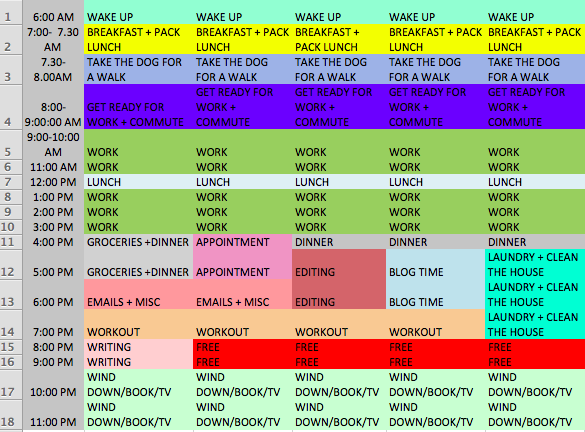
The example above illustrates a basic time-block schedule. While simple, successful implementation involves structuring your time into smaller segments dedicated to specific tasks, supplemented by brief breaks.
Time blocks can range from 15 minutes to an hour, depending on your focus needs. Adapting this framework to suit your style will help you respond effectively to unexpected interruptions.
TIME BLOCKING: PRIORITIZATION
Identify your most crucial task and allocate a specific time block to focus on it, whether for 15, 30, or 45 minutes. Utilize a timer to maintain concentration. Tools like this one can enhance time accountability and ensure you stay on track.
While it’s true that “we all have the same 24 hours,” those hours can feel vastly different based on individual circumstances. Each person’s day can vary greatly depending on work hours, commuting, household responsibilities, and external support.
In managing your time, you can either keep running harder, sacrificing sleep and balance for productivity, or you can strive to work smarter and more effectively. Adopting key habits that show appreciation for your own time and that of others is essential.
If you want to delve deeper into habit formation, consider reading The Power of Habit by Charles Duhigg.