Saudi Arabia Explores its Historical and Cultural Identity through Geography and Climate
Saudi historians and heritage specialists have delved into the role of geography, climate, and natural resources in shaping settlement patterns, trade networks, and cultural identity across the Arabian Peninsula. These discussions were held during the recent Security and History Dialogue Conference at Riyadh’s Cultural Palace.
Geographic Influence on Identity
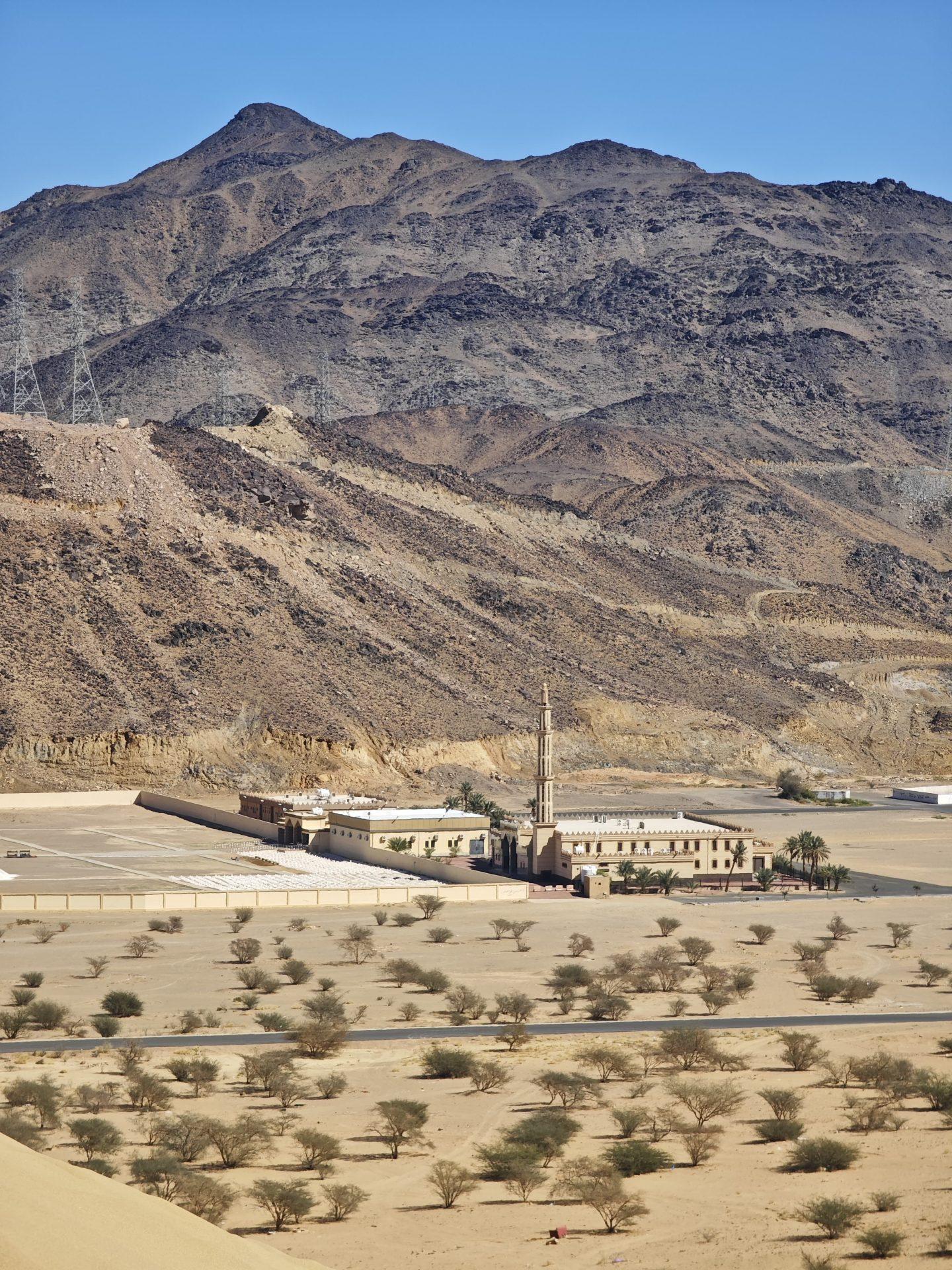
Researchers emphasized how Saudi Arabia’s diverse landscapes—including deserts, mountains, oases, and coastlines—have historically influenced where communities are established and how trade routes developed. Archaeological findings, such as buildings, inscriptions, and rock art, offer insights into how different populations adapted to these environments.
Ongoing Relationship Between People and Landscape
Prof. Salma Alhawsawi from King Saud University highlighted the dynamic interaction between communities and their physical surroundings. She noted that humans continually adapt to their environments while leaving behind cultural and archaeological traces.
Historian Bashar Marouf linked this historical development to the leadership of King Abdulaziz and his successors, marking the establishment of the first Saudi state in Diriyah in 1727. He described contemporary Saudi Arabia as the culmination of a long historical process that spans centuries.
Digital Preservation Initiatives
In the effort to preserve its cultural heritage, Saudi Arabia is leveraging digital technology. Nayef Alqanour, head of archaeological sites at the Heritage Commission, reported that over 74,000 cultural assets are now documented, including 80,000 artifacts. This preservation program aims to bolster the kingdom’s international cultural profile, with eight UNESCO World Heritage sites recognized.
Ancient Rock Art and Cultural Continuity
Ancient rock art has been identified as crucial for understanding the region’s history. Alqanour stated that inscriptions and carvings reflect the continuity of Arab cultural identity, challenging the notion that many influences were solely foreign.
Impact of Climate on Settlement and Society
Climate’s role in settlement and resource access was another focal point. Archaeologist Saeed Fayez Al-Saeed noted that fluctuations in rainfall influenced community stability, agriculture, and the complexity of tribal and political structures.
Al-Saeed cited the establishment of the first Saudi state as a pivotal moment in the region’s political history, initiating a process of unification that ultimately led to the formation of modern Saudi Arabia.
Conclusion: A Dynamic Heritage
As Saudi Arabia invests in preserving and showcasing its heritage, the interaction of people, climate, and geography continues to be essential for understanding the nation’s past. The conference underscored the importance of integrating archaeological evidence into the kingdom’s evolving national identity, especially as it seeks to share its cultural assets with the global community.