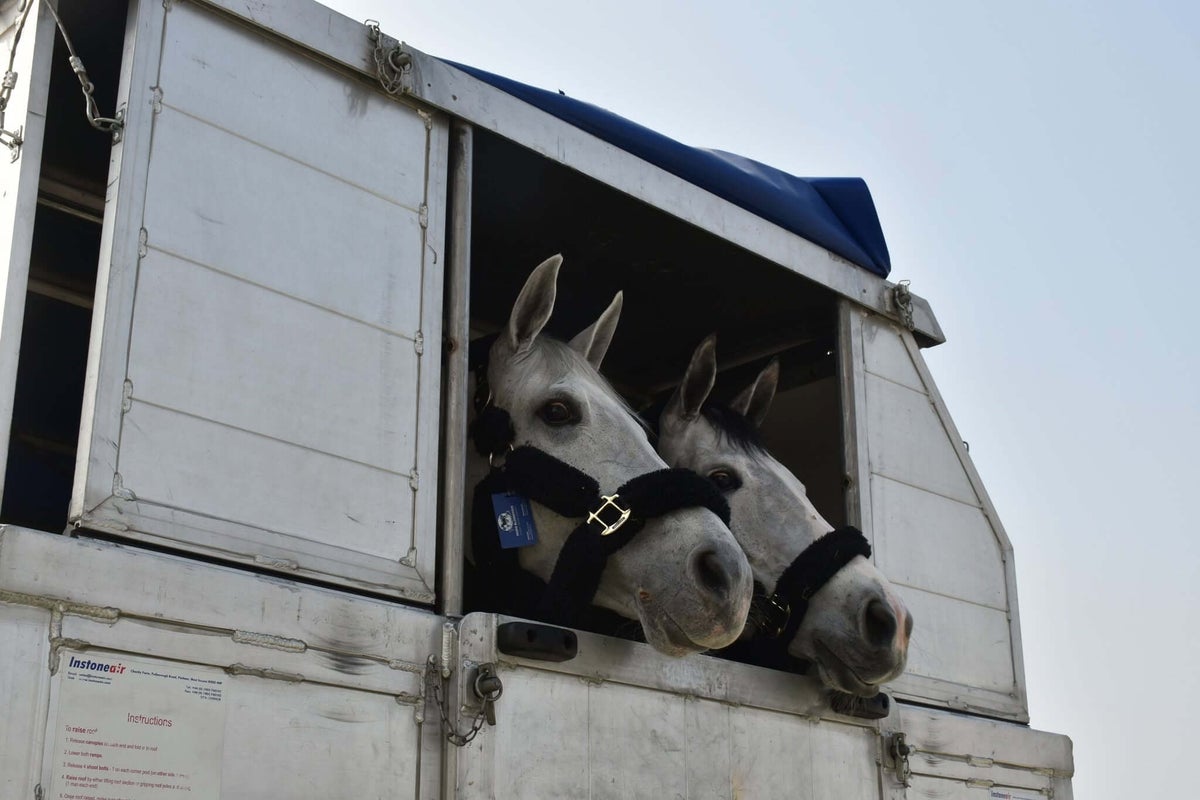
The intricacies of international equestrian travel are just as complex as they are crucial for top riders and their horses. Each journey involves meticulous planning, from ensuring that each horse has its passport and vaccinations up to date, to navigating the extensive paperwork required for border crossings.
Key Insights:
-
Travel Requirements: Horses need passports, health certificates, and vaccinations. Proper documentation is critical as any oversight can lead to serious consequences, including disqualification from competitions or worse.
-
Transportation: Long-time groom Sean Vard exemplifies the dedication needed in this field. His experience of transporting horses across Europe, facing challenges like truck breakdowns and airport delays, illustrates the unpredictability of horse logistics.
-
Travel Preferences: Most horses actually prefer flying to long truck journeys, as flying provides a more stable environment. Cargo planes designed for transporting horses, like Boeing 777s or 747s, have specialized pallets that cater to different travel classes, akin to human airline seating.
-
Health and Safety: The well-being of the horses is paramount. Extensive care, including adequate food and ventilation, is provided during travel. Grooms accompany horses on flights to ensure their comfort, especially during long hauls.
-
Challenges Post-Brexit: Additions to travel complexity occurred after Brexit. Increased paperwork and protocols add layers to the already demanding process, complicating travel for British riders specifically.
-
Lessons from Experience: For riders like Mary Hanna, personal tragedies, such as the loss of a horse during travel, underscore the emotional stakes involved and highlight the importance of vigilance in maintaining horse health throughout their journey.
Traveling with horses is not just about logistics; it’s a blend of skill, experience, and emotional commitment, which ensures these magnificent animals arrive safely and ready for competition.