The evolution of airport security procedures in the U.S. has significantly transformed since the tragic events of September 11, 2001. Key developments in security measures stemmed from vulnerabilities exposed by attacks, starting with the 1988 bombing of Pan Am Flight 103. Each incident prompted layered responses to enhance passenger safety, including:
-
9/11 and Its Aftermath: The attacks led to immediate changes, such as limiting gate access to ticketed passengers, banning certain items from carry-ons, and creating the Transportation Security Administration (TSA) to oversee screening.
-
Explosive Device Detection: The Lockerbie bombing illustrated the risks of unchecked baggage; hence, prior to 9/11, the FAA mandated X-ray inspections for checked luggage.
-
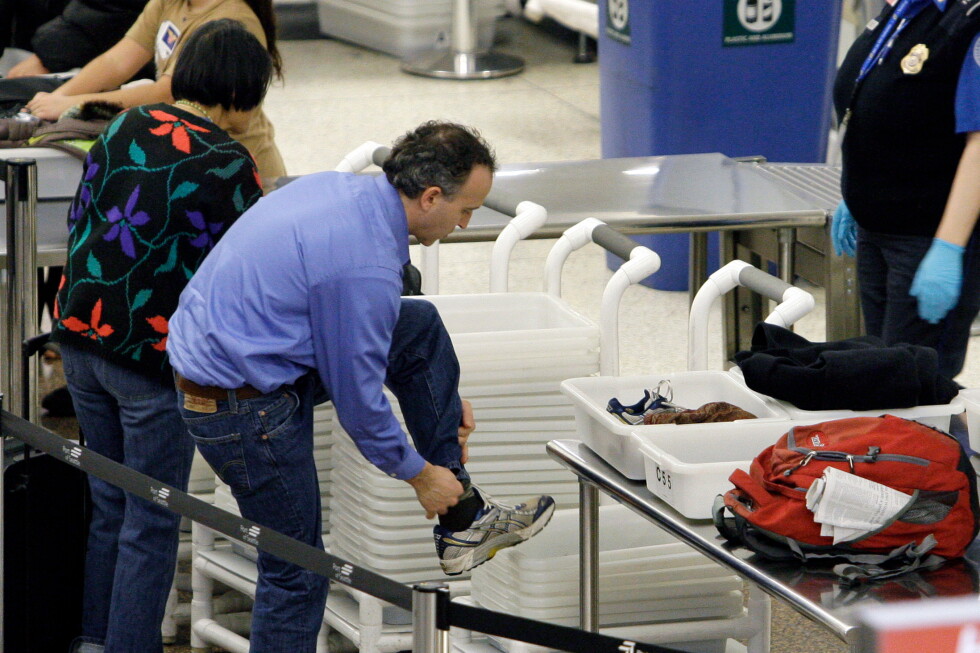
New Threats and Adaptations: Incidents like Richard Reid’s shoe bomb attempt prompted shoe removals at security checks, while the disrupted liquid explosive plot led to liquid restrictions and the “3-1-1” rule for carry-ons.
-
Body Scanners: The failed detonation attempt by Umar Farouk Abdulmutallab in 2009 accelerated the implementation of body scanners that could detect non-metal explosives.
-
Ongoing Innovations: TSA continues to adopt tech like facial recognition for identity verification and secondary cockpit barriers for newer aircraft.
Overall, these measures reflect a resilience in addressing evolving threats to aviation security.