This article explores the cultural impact of Shirley Bassey, particularly her influence on what has become known as bling culture, and how her legacy resonates with hip-hop and materialism.
Cultural Impact of Shirley Bassey
-
Early Beginnings:
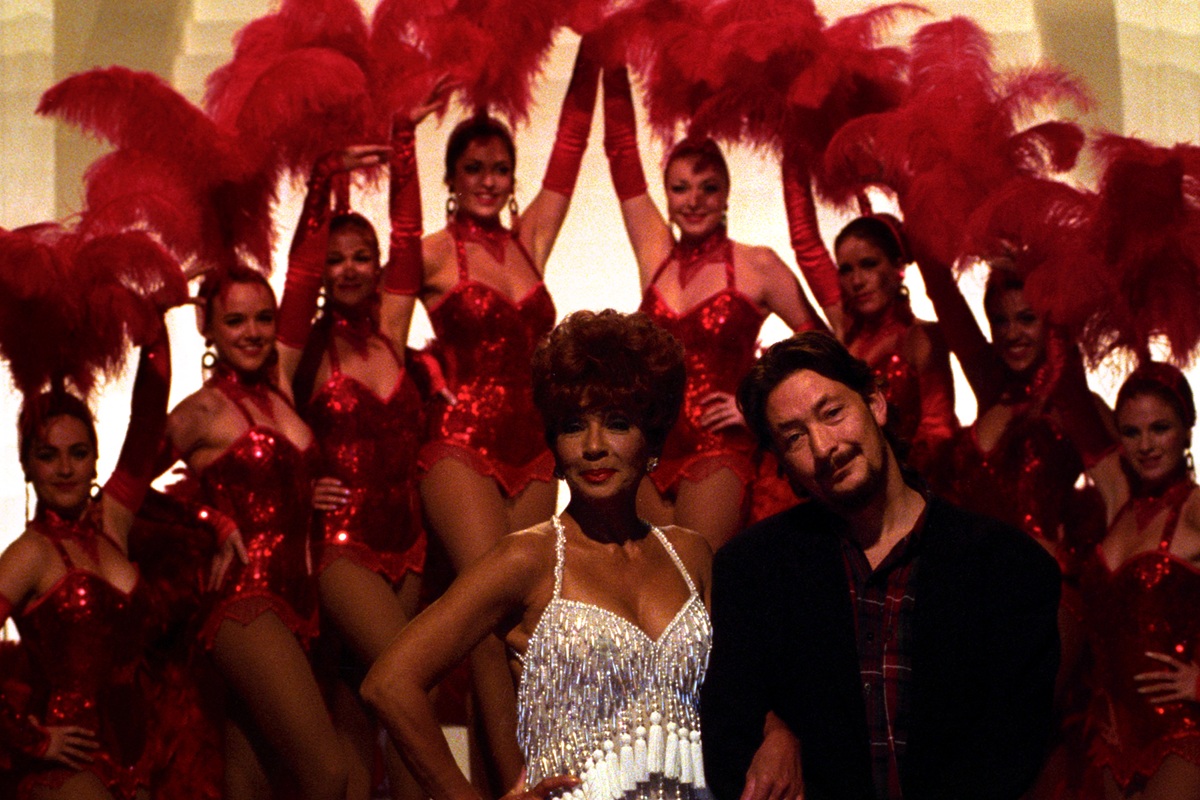
- Bassey’s roots in Cardiff shaped her perspective on fame and wealth. Despite her challenging upbringing, she embraced the glitz and glamour that fame offered, making her a trailblazer long before hip-hop artists popularized similar themes.
-
Bassey’s Artistic Identity:
- Songs like “Big Spender” and “Diamonds Are Forever” emphasized material wealth, paralleling aspects of hip-hop culture that emerged later. Bassey’s ability to embody these songs contributed significantly to their lasting popularity.
-
Bling Culture:
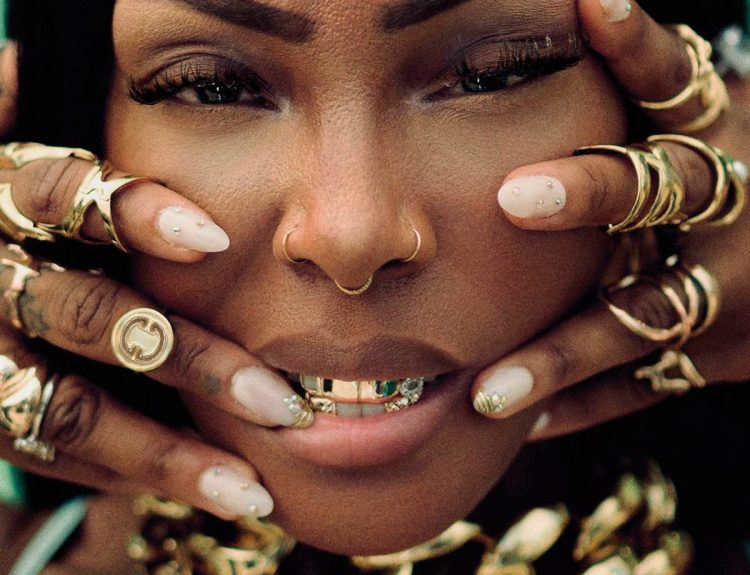
- Unlike many artists of her era, Bassey openly celebrated wealth. Her approach to fame can be seen as a precursor to the wealth-driven ethos prevalent in hip-hop, where artists often flaunt their success through luxury brands and extravagant lifestyles.
-
Controversy and Complexity:
- Despite her acclaim, Bassey faced criticism for aspects of her career, particularly her decisions in the 1980s regarding apartheid South Africa. This duality—celebration of wealth contrasted with moral dilemmas—mirrors the complexities found in contemporary hip-hop.
-
Legacy:
- Bassey’s influence on hip-hop artists is undeniable. Her work set a foundation for the admiration of ostentatious wealth that later became a defining characteristic in the genre. The interconnectedness of her themes and those in hip-hop underscores an important cultural dialogue about race, wealth, and success.
Conclusion
Shirley Bassey stands as a pivotal figure in music, representing both a uniquely British perspective on wealth and an early influence on the visual language of hip-hop. Her unapologetic embrace of luxury foreshadowed trends that shaped popular music narratives in subsequent decades, making her an enduring icon in both British and global contexts.