The article discusses the transformation of Yemeni cafes in the United States, particularly their shift towards a modern, minimalistic aesthetic inspired by Dubai, a trend seen in many newer establishments.
Key Points:
-
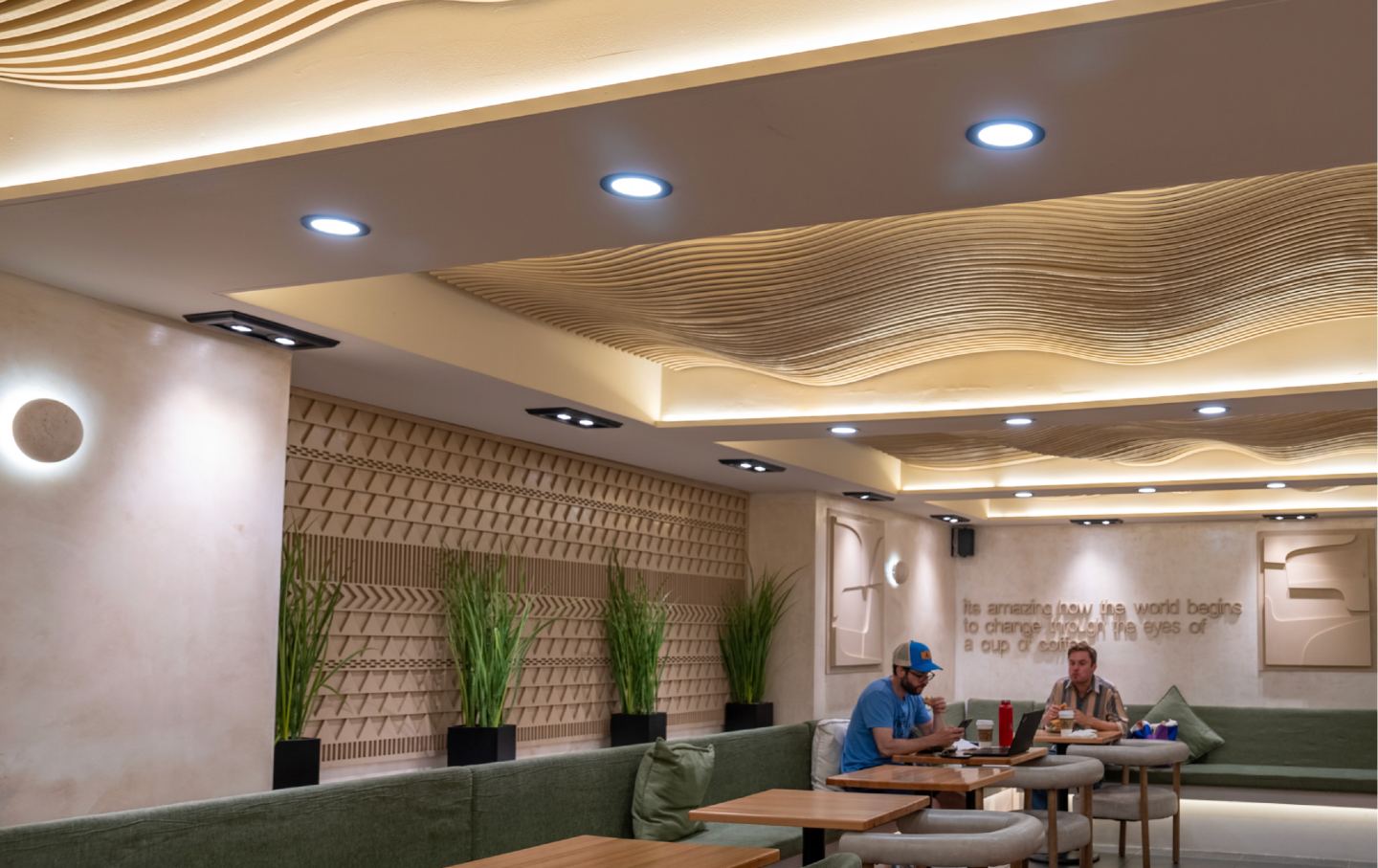
Yemeni Cafes’ Evolution: Traditionally known for their colorful and ornate decor, many Yemeni cafes have recently adopted a streamlined, modern look often reminiscent of upscale Dubai cafes. This aesthetic shift aims to appeal to a broader customer base.
-
Balancing Tradition and Modernity: Cafe owners, like Adel Imathil of Qahwah Time, express a desire to integrate elements of Yemeni culture while adapting to contemporary tastes. This balancing act reflects the struggle to maintain cultural identity in a rapidly changing environment.
-
Cultural Perceptions: Customers and historians have noted this shift, describing it as a move away from cultural branding towards a more “Instagrammable” experience. This has sparked conversations around cultural authenticity versus commercial viability.
-
Influence of Dubai: The allure of Dubai, with its image of luxury and modernity, influences how Yemeni cafes style themselves. Entrepreneurs like Hamzah Nasser of Haraz Coffee House aim to attract customers seeking a premium experience, sometimes sacrificing traditional decor for a sleek, minimal vibe.
-
Implications for Culture: The article highlights how this rebranding influences perceptions of Yemeni culture in the U.S., serving as a bridge for cultural exchange, especially amid negative media portrayals of Yemen.
-
Future Concerns: Questions arise about the sustainability of this trend and whether the emerging cafe model will meet the diverse needs of its community or lead to a homogenized experience that lacks cultural depth.
Overall, the article examines the intersection of aesthetics, identity, and cultural representation in the Yemeni cafe scene, raising important issues about modernization and authenticity.