The Origins of Labor Day
Labor Day, celebrated on the first Monday of September, traces its roots back to the late 19th century. It was a time when activists sought to honor workers and their contributions. The inaugural U.S. Labor Day celebration occurred in New York City on September 5, 1882, where a parade featuring around 10,000 workers was organized by the Central Labor Union and the Knights of Labor. Following this event, several cities and states began to pass laws recognizing Labor Day. However, it wasn’t until 1894 that President Grover Cleveland signed a bill establishing it as a national holiday.
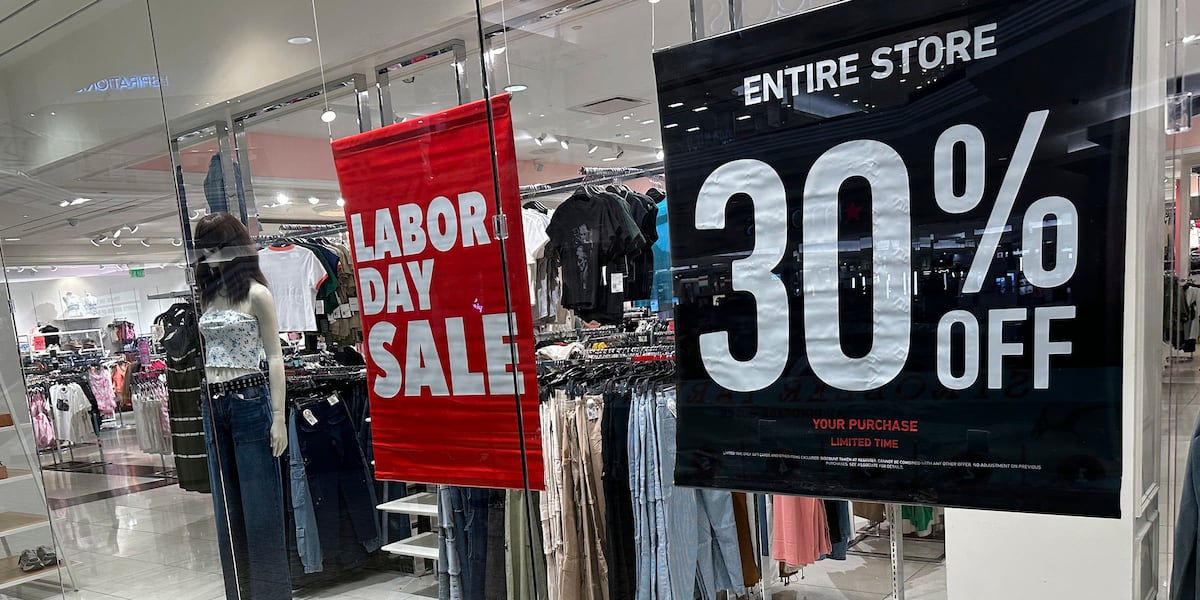
While many workers enjoy a day off on Labor Day, many businesses remain open, offering sales to attract customers.
What’s Open and Closed on Labor Day 2026:
Government Buildings
- Closed: Government offices, post offices, courts, and schools.
Banks and Stock Market
- Closed: U.S. stock markets and banks. FedEx and UPS will not provide standard pickup and delivery services, although some critical services may be available.
Retailers
- Closed: Costco, along with other warehouse membership clubs. Most major national retailers and grocery stores will be open, often with promotional sales, but hours might differ by location.
Travel
Despite soaring travel prices attributed to various economic factors, millions of Americans are expected to travel for the last summer getaway.
-
Flight prices to top domestic destinations are about 20% higher compared to last year, with hotel prices also on the rise, while the average gas price is approximately $4.10 per gallon, a 90-cent increase from last year.
-
Conversely, cruises from U.S. ports are approximately 4% cheaper than the previous year.
For a hassle-free trip, travelers should check weather conditions, inspect their vehicles, and prepare an emergency kit containing essentials like water, snacks, and jumper cables.
Copyright 2026 The Associated Press. All rights reserved.