Recently, GOG, known for its selection of both modern and retro PC games, has faced scrutiny over its use of AI-generated artwork to promote its New Year sale. In a related development, the company has also advertised a position for a senior software engineer who will be required to “actively use and promote AI-assisted development tools” in their work on the GOG Galaxy desktop app.
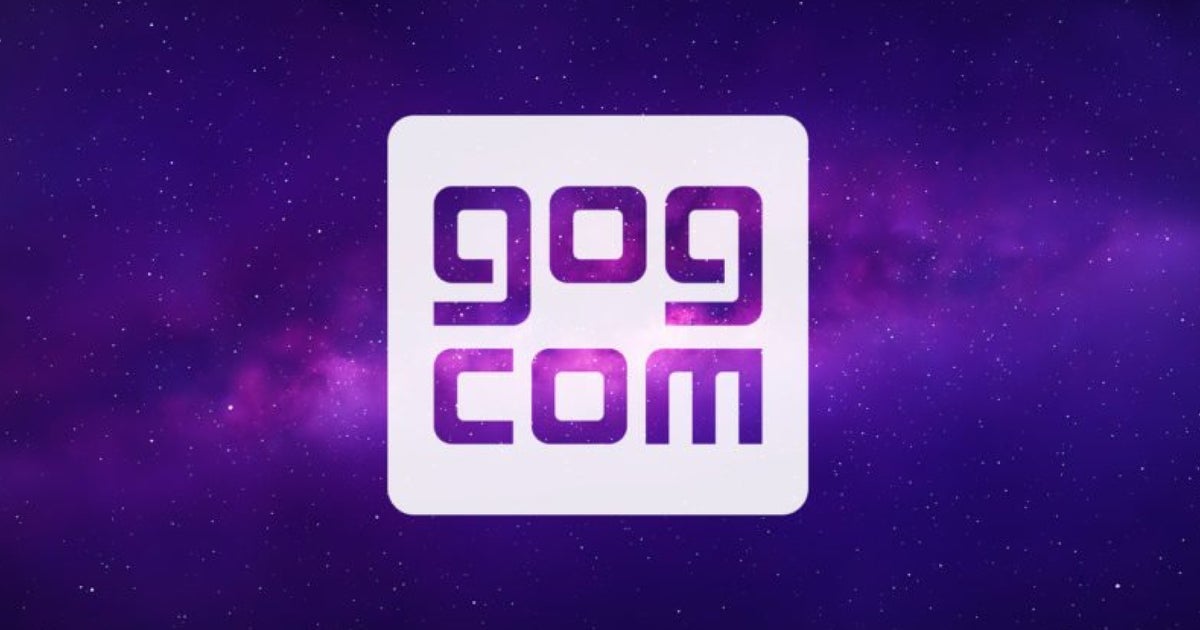
The controversy surrounding the AI artwork first emerged on Reddit and was later reported by GamingOnLinux. The contentious image, which is the header for the New Year Sale, remains on GOG’s storefront as of this writing and exhibits noticeable blurring effects at the bottom.
In response to the discussions about the artwork on the GOG forums, a user named KosmicznaPluskwa—who identifies as a senior graphic designer at GOG—shared their thoughts. Although not a company spokesperson, they stated, “To clear the air—current sale banner is fully AI. Not my work.”
KosmicznaPluskwa added, “This is all I can say on this. My team is much smaller now than it used to be, and the requirements for the role are completely different than they were before. It’s possible to find job descriptions from less than a year ago and five or more years ago for comparisons, if anyone is curious.”
If you explore GOG’s job listings, you will encounter a recent listing for a senior software engineer focused on GOG Galaxy. As noted by PC Gamer, the position emphasizes the “active use of AI tools in daily development workflows” and encourages team members to boost the adoption of these technologies. The responsibilities outlined also include a directive to “actively use and promote AI-assisted development tools to enhance team efficiency and code quality.”
I have reached out to GOG for clarification regarding both the artwork and the job listing.
This situation unfolds against the backdrop of GOG’s recent change in ownership, which occurred just before the transition from 2025 to 2026. CD Projekt, the developer behind Witcher, opted to sell the storefront to its original co-founder Michał Kiciński in a deal valued at approximately £18.6 million. Since then, Kiciński has been making reassuring statements about the future direction of GOG, expressing a commitment to growth while maintaining the platform’s well-known preservation and anti-DRM values. It is worth noting that I do not recall any discussions regarding the intent to incorporate AI technology extensively as part of that vision.