The Rise of Protein as a Beauty Essential
In today’s world, protein isn’t just a staple for fitness enthusiasts; it’s becoming an integral part of beauty routines, too. David, a prominent protein bar brand, is leading the way in this transformation, emphasizing protein’s role in enhancing beauty beyond the gym.
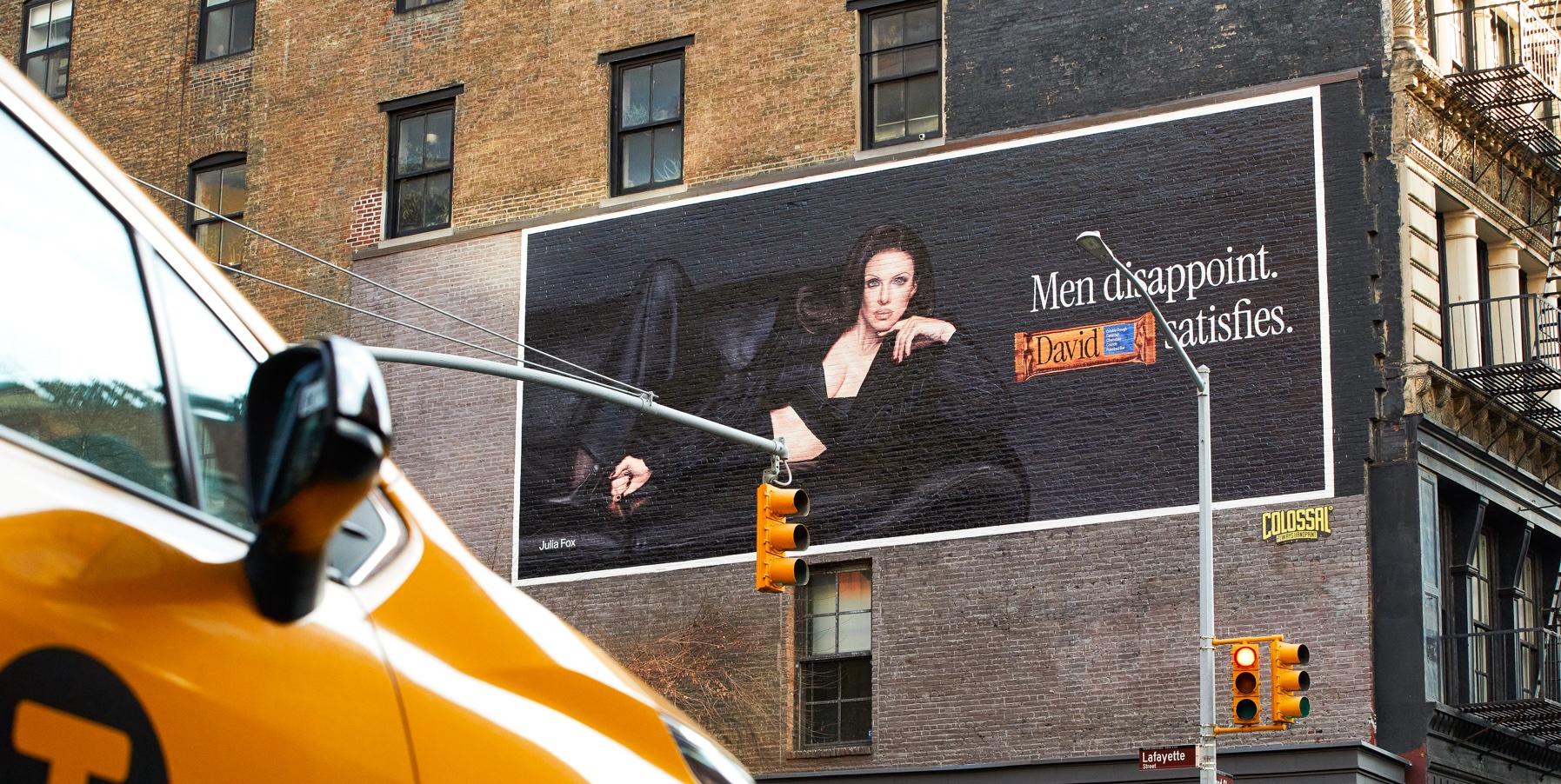
“Protein serves as a beauty product, in some sense,” stated Peter Rahal, co-founder and CEO of David. Recently, the company launched its Bronze Bar, featuring fewer grams of protein but offering richer flavors compared to its traditional Gold Bar. To promote this new product line, David enlisted Julia Fox for a campaign that emphasizes pleasure rather than athleticism.
Rahal noted that fitness has always been a component of beauty routines. However, with the introduction of the Bronze Bar and visually captivating Instagram posts showcasing David bars alongside gua shas and lipsticks, the brand is explicitly positioning protein as not just a dietary supplement but a vital aspect of an aspirational lifestyle. “Body composition is closely linked to beauty,” he explained. “Beauty extends beyond makeup; it also encompasses how one carries themselves. Protein acts as an effective tool to help individuals achieve their beauty goals.”
As the market faces an influx of protein products, the trend of “protein maxing” has led many to speculate whether we are approaching peak protein in 2025. Nevertheless, brands like David, which achieved a valuation of $725 million, are doubling down on protein. Their latest products promote protein as an essential element of a lifestyle that embraces indulgent treats like matcha lattes and fitness-driven aesthetics.
“The cultural meaning of protein has shifted, particularly for women,” noted Alice Clapp, strategy director at the brand design agency Design Bridge and Partners. “It has evolved into a subtle status symbol or identity marker, signaling that one belongs to a community that understands how to properly nourish their bodies and aspires to a particular physique.”
In January, Starbucks expanded its protein-focused menu, introducing flavors such as Caramel Protein Matcha. They also rolled out Khloé Kardashian’s Khloud protein popcorn. Similarly, competitor Coffee Bean & Tea Leaf launched a comparable protein-infused menu this January. Happier Grocery, recognized as New York City’s alternative to Erewhon, started the year with a bone broth hot chocolate infused with Cowboy Colostrum, a warm alternative to the protein soft serve it had previously introduced with Ballerina Farm in 2025.
“David is innovating and adding sophistication to protein branding. The brand taps into a cultural realization that protein, fitness, and the dedication to sculpting one’s body represent a kind of luxury,” remarked Caitlin Starke, head of strategy at design agency Pearlfisher. “This is a cultural flex, particularly for those willing to invest time and resources into their health.”
Many of the emerging protein products target women, and there are solid reasons for that. A Euromonitor study released in September revealed that women now surpass men in seeking higher protein intake globally, particularly among North American girls aged 15-19.
“Winning over women is key, as the protein gap is more pronounced in women’s health than in men’s,” Rahal asserted. “There’s a misconception that consuming protein leads to bulkiness, which is a myth.”
While Fox’s campaign for David features a toned, protein-fueled physique, it does not mention weight lifting. This imagery has become a status symbol for many women. The rise in protein trends parallels increasing usage of GLP-1 medications, which women are utilizing at higher rates than men. Health experts advise boosting protein intake while on these weight-loss medications, a trend likely to grow with the upcoming launch of oral versions of these drugs from companies like Novo Nordisk.
Some, however, express concerns regarding the potential harms of this protein-driven beauty ideology.
“The optimist in me thinks that the protein trend reflects a broader cultural shift towards women’s strength and autonomy, challenging traditional beauty standards by prioritizing strength over thinness,” said Starke. “Yet there is a concern that this could also signify a rebranding of diet culture, presenting restrictions as optimization and labeling it empowerment. Marketers must tread carefully.”
Julia Fox and Khloé Kardashian are not the only public figures embracing the protein craze. In January, Health and Human Services Secretary Robert F. Kennedy Jr. advocated for updated dietary guidelines recommending a daily protein intake increase from 0.8 grams to 1.2 or 1.6 grams per kilogram of body weight. This shift features a new inverted food pyramid with animal-based protein at the top. “We are ending the war on protein,” proclaimed a new nutritional website supported by the Trump administration’s National Design Studio.
Jessica Crandall Snyder, RDN and medical advisor for FuturHealth, indicated that the updated guidelines are moving from a minimum protein intake recommendation to a more aspirational goal-oriented approach.
While protein is crucial, Crandall Snyder urged that an excessive focus on it could lead to overlooking other important nutrients like fiber. This is especially concerning for women, who may be more vulnerable to dietary restrictions.
“Women have historically aimed for thinner frames, and this backdrop may put them at risk for insufficient nutrition,” said Crandall Snyder.
Despite predictions of a decline in the protein trend, its presence in the wellness industry remains robust, as consumers increasingly expect their meals to serve not just as nourishment but as beautifying agents as well.
“Today, there’s an expectation that your water can enhance your skin’s appearance, making you look stunning,” remarked Isabelle Aleksander, associate strategy director at branding agency CBX. “Protein can embody beauty and longevity, along with a host of new meanings and associations, which is why it has found a permanent place in the wellness space.”
Looking ahead, Rahal hinted that David may roll out more beauty-related products by 2027. As consumers feel pressure to enhance both their health and appearance, the lines separating food from beauty continue to blur.
“People are openly discussing their desire to be fit and slim,” Rahal stated. “In a social media-driven world, where everyone is curating their own visual platforms, there’s immense pressure regarding appearance. Crucial factors like nutrition and sleep are now paramount; it’s clear that one cannot simply rely on cosmetic procedures to achieve desired results anymore.”
In summary, the journey of protein from a gym staple to a beauty essential reflects a significant cultural shift. While this trend offers potential benefits, it also carries risks that warrant careful consideration.


