Overview of the Conflict between Agriculture and Renewable Energy in Wisconsin
Tom Wilcox’s Perspective
- Farming Tradition: Tom Wilcox has been farming in Clark County for over 20 years, adhering to traditional methods reminiscent of 1950s practices. He uses older machinery and prefers to mix his own feed for livestock.
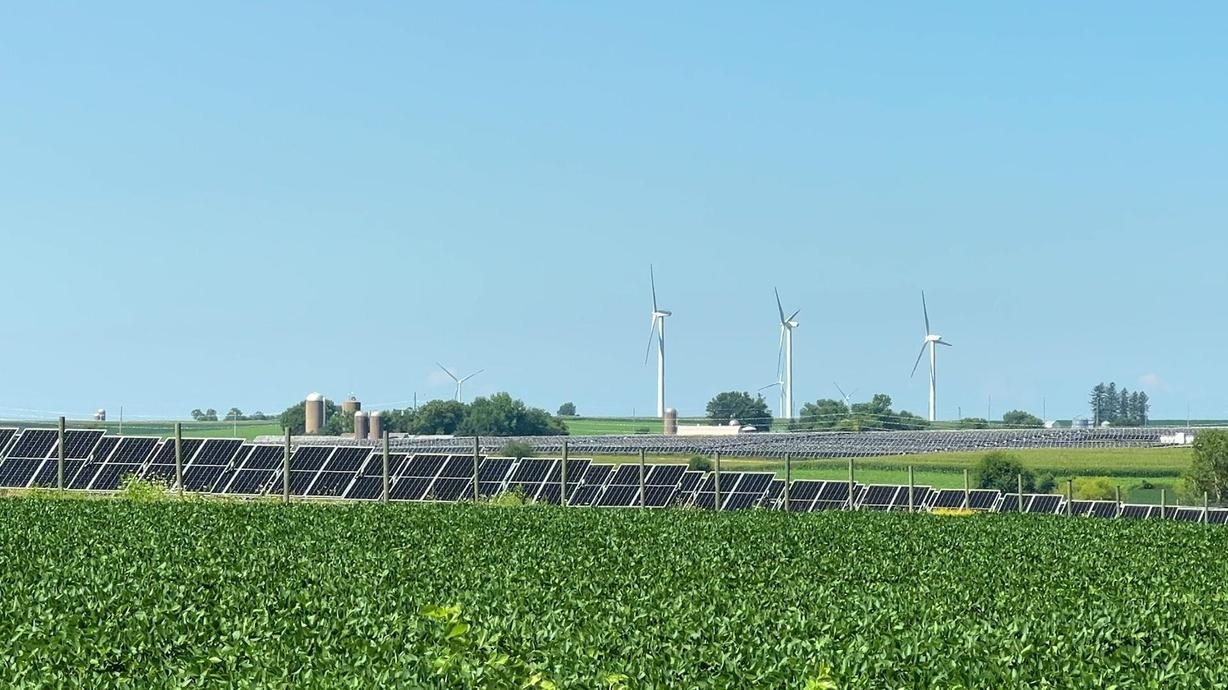
- Concerns about Land Use: Wilcox expresses concern over the expansion of renewable energy projects, feeling they threaten valuable agricultural land. He emphasizes the importance of preserving farmland in Wisconsin.
- Activism: He leads the volunteer group Farmland First, which advocates against the development of renewable energy projects, citing a strong community opposition to wind turbines and solar farms.
Community Sentiment
- Public Opinion: According to Wilcox, community forums show a significant majority (90%) of residents oppose the installation of renewable energy projects, often suggesting that those in favor are financially motivated.
Utility Companies’ Viewpoint
- Economic Argument: Utility companies and organizations like RENEW Wisconsin argue for the necessity of renewable energy projects. They highlight the economic and environmental benefits of wind and solar power as essential for future energy needs.
- Community Benefits: Utility representatives emphasize the positive economic impact on local communities, including tax revenues from renewable energy projects, which can support community initiatives.
Regulatory Framework
- Public Service Commission (PSC): Megan Sovey-Lashua from the PSC explains that all new energy projects undergo a detailed review and public hearing process. The commission takes community input into account when approving projects, which are anticipated to increase significantly as power demands rise.
Predicted Energy Trends
- A forecast for Wisconsin’s energy production by 2026-32 indicates a notable shift:
- Decrease in coal power by 28%
- Increase in natural gas by 14%
- Increase in wind by 6%
- Increase in solar by 11%
Alternative Perspectives
- Kathy Hass’s Experience: Kathy Hass, a local farmer who signed a lease for a wind turbine over 20 years ago, shares that the lease payments have benefited local farmers significantly. She now views wind turbines as a normal part of the landscape, as opposed to an intrusion.
Conclusion
While proponents of renewable energy projects argue for their economic and environmental benefits, traditional farmers like Wilcox continue to advocate for the preservation of farmland. The ongoing debate reflects broader tensions between modern energy needs and long-standing agricultural traditions.