Chia seeds have become a beloved staple in modern diets, whether sprinkled on porridge, blended into smoothies, or transformed into pudding. They’re often hailed as a ‘superfood’ due to their rich nutritional profile, which includes fiber, protein, omega-3 fatty acids, antioxidants, and a variety of vitamins.
Despite their many benefits, some individuals have reported issues such as ‘blockages’ caused by chia seeds, while others assert that these seeds must be consumed in a certain way to be effective.
Nevertheless, the advantages of incorporating chia seeds into your meals cannot be overlooked, as recent research highlights their significance. A study conducted by Brazilian scientists explored the effects of chia flour and chia oil on factors such as satiety, inflammation, and antioxidant capacity within the brain. This investigation involved rats that were given a high-fat, high-fructose (HFHF) diet.
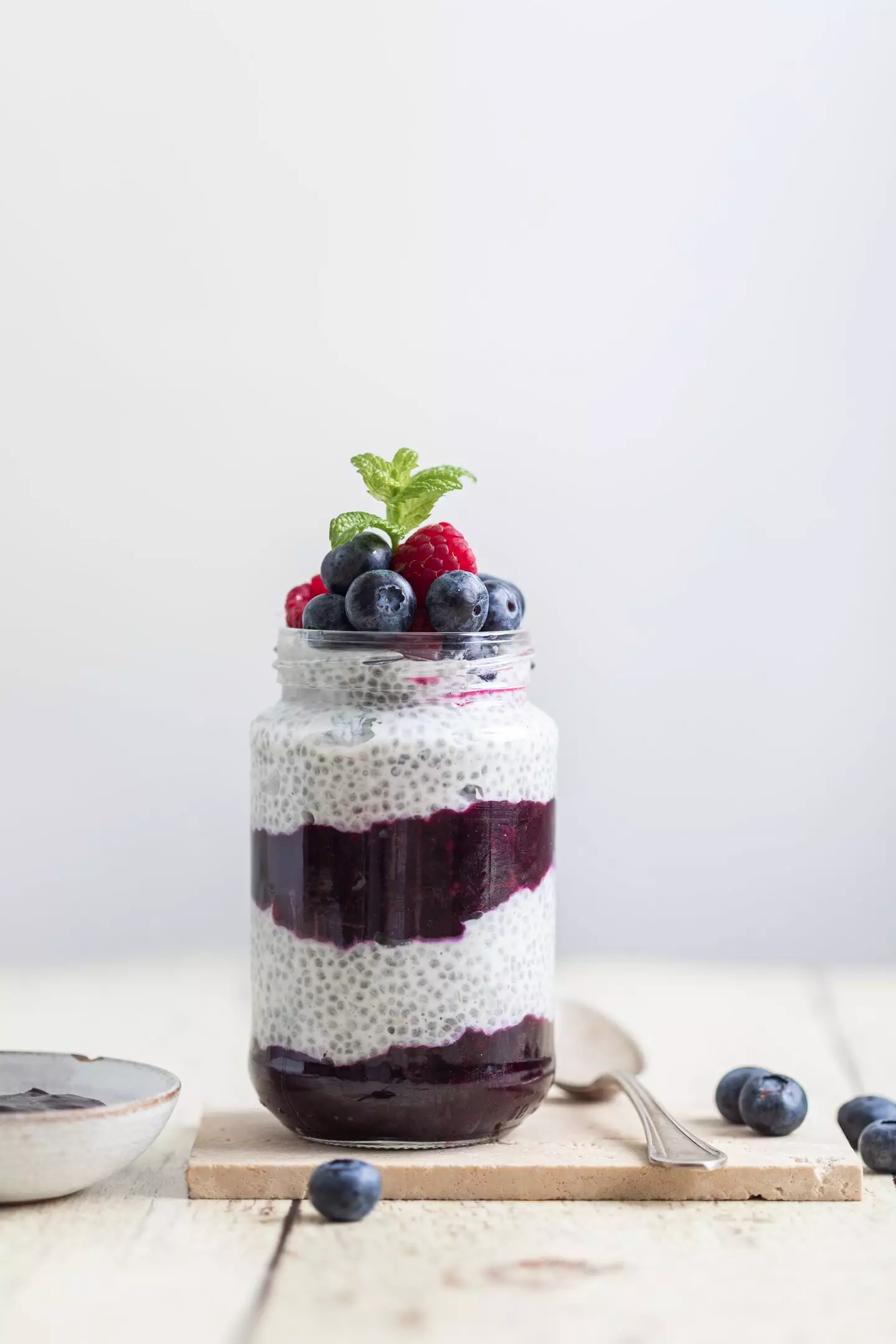
Chia seeds are a popular superfood. (Getty Stock)
The research was published in the journal Nutrition, wherein the researchers aimed to replicate metabolic changes that resemble those in humans by feeding a majority of the rats an unhealthy diet. To enhance the study’s findings, a control group of rats was maintained on a standard, healthy diet.
Over the span of 10 weeks, one group was fed the unhealthy diet alone, while another received the unhealthy diet coupled with chia oil, and the third group was given chia flour. The brain tissue samples from these rats were analyzed afterward.
The group that consumed chia oil demonstrated increased activity in genes associated with satiety, suggesting that chia can help people feel fuller after meals. This effect was less pronounced in the group that consumed chia flour.
However, both forms of chia improved the brain’s sensitivity to leptin, a hormone linked to hunger and fullness.
Overall, both chia products showed promise in enhancing brain function and decreasing the tendency to overeat.
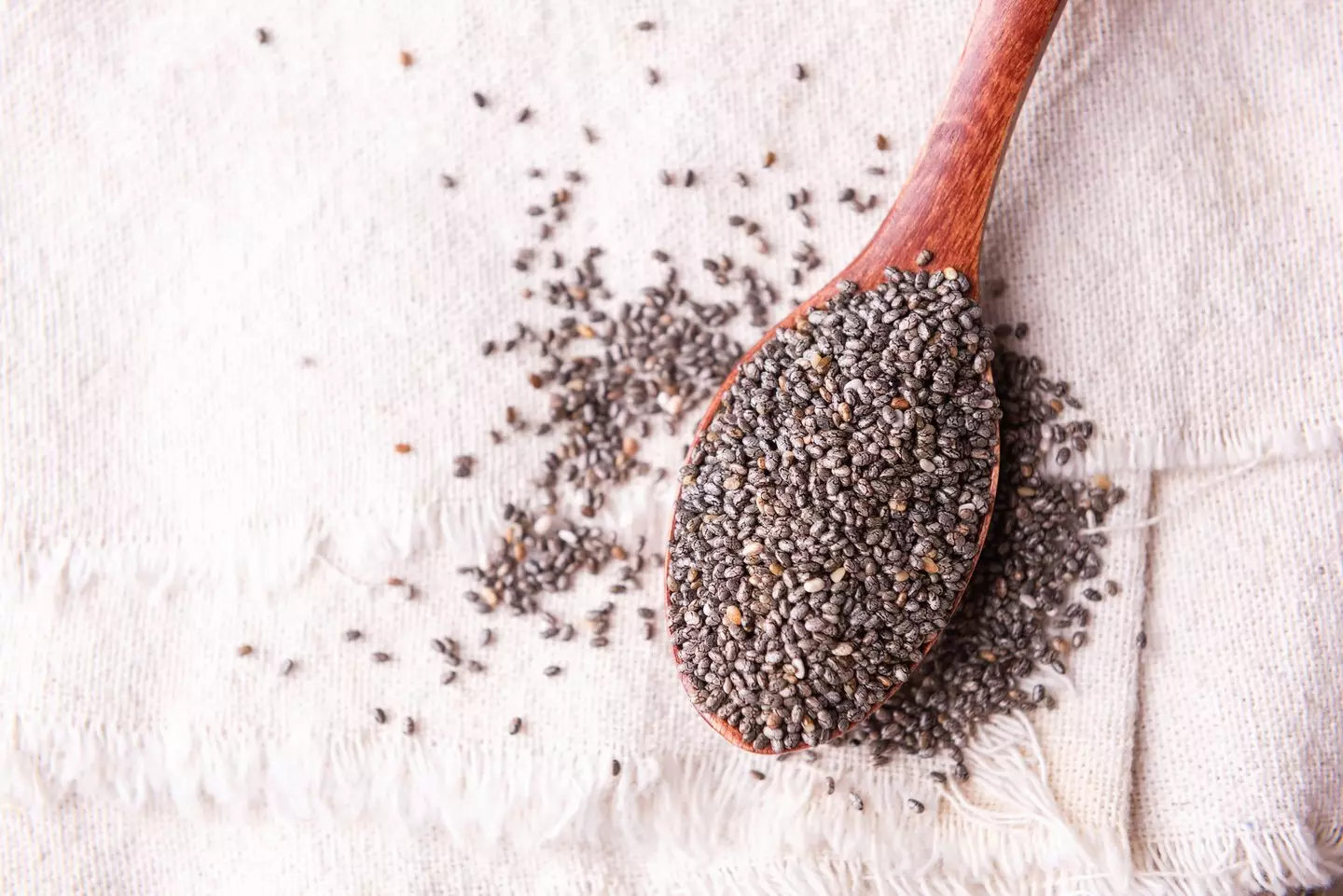
Researchers found the products are ‘potential modulators of satiety’. (Getty Stock)
In their concluding remarks, the researchers stated, “The consumption of chia flour and oil associated with a HFHF diet modulated the expression of genes involved in satiety and inflammatory response mechanisms. Additionally, the alteration of the intestinal microbiota may correlate with brain signals of satiety and influence inflammatory and oxidative responses, presenting a potential strategy for managing metabolic diseases linked to unbalanced diets.”
Ultimately, this research suggests that chia products can assist individuals in feeling satisfied after meals, potentially quenching cravings and supporting those aiming to improve their dietary habits for weight loss.


