
Creatine is a widely recognized sports supplement known for its ability to enhance muscle development and improve strength, as well as enhance speed and power for athletes, positively impacting overall sports performance.
Additionally, research indicates that this essential nutrient may offer various health benefits, extending to brain function, memory, bone health, and even emotional well-being.
While creatine has long been favored among fitness enthusiasts, much of the research has primarily focused on men. Recently, there has been a surge in marketing aimed specifically at women, which has sparked greater interest in understanding its potential benefits for them.
Current research suggests that creatine can help reduce fatigue during exercise for women, and it may also play a crucial role in preserving muscle mass as they age.
Creatine is a natural substance synthesized in the body from several amino acids, which are the fundamental building blocks of protein. It can also be obtained from protein-rich foods, such as meat and seafood.
This compound is vital for short bursts of energy, particularly during intense physical activity, as it aids in quicker recovery between sets. Consequently, this allows individuals to perform more work during training sessions, resulting in approximately 20% greater performance improvements with regular supplementation.
The body typically uses about 2g-4g of creatine each day. However, since it has limited storage capacity in the body, it is essential to consume it through diet or supplements. Think of creatine as a short-term energy reserve that needs consistent replenishment.
About 1kg of raw beef or seafood can provide around 3g-5g of creatine. Nonetheless, the cooking process can diminish its content, making it challenging to meet daily requirements solely through diet, thereby highlighting the utility of supplements.
Research indicates that vegans, vegetarians, and women often have lower dietary creatine intake, resulting in reduced overall body stores. Interestingly, women appear to store slightly more creatine in their muscles than men, suggesting a different response dynamic to supplementation.
Creatine monohydrate is the most extensively studied form of this supplement. It can be consumed in various forms, including powder, capsules, or gummies. By taking around 3g-5g of creatine daily, women can gradually increase their muscle creatine stores within two to four weeks.
For those looking to accelerate the boosting of muscle stores, research suggests a loading phase of approximately 20g of creatine daily for seven days, followed by a reduction to 3g-5g daily, can safely enhance storage.
Creatine benefits for women
Many factors can impact a woman’s health throughout her life, including hormonal changes, gradual muscle loss due to aging, decreased bone density, and metabolic slowdown after menopause—all of which can lead to fluctuating energy levels, difficulties concentrating, and mood disturbances.
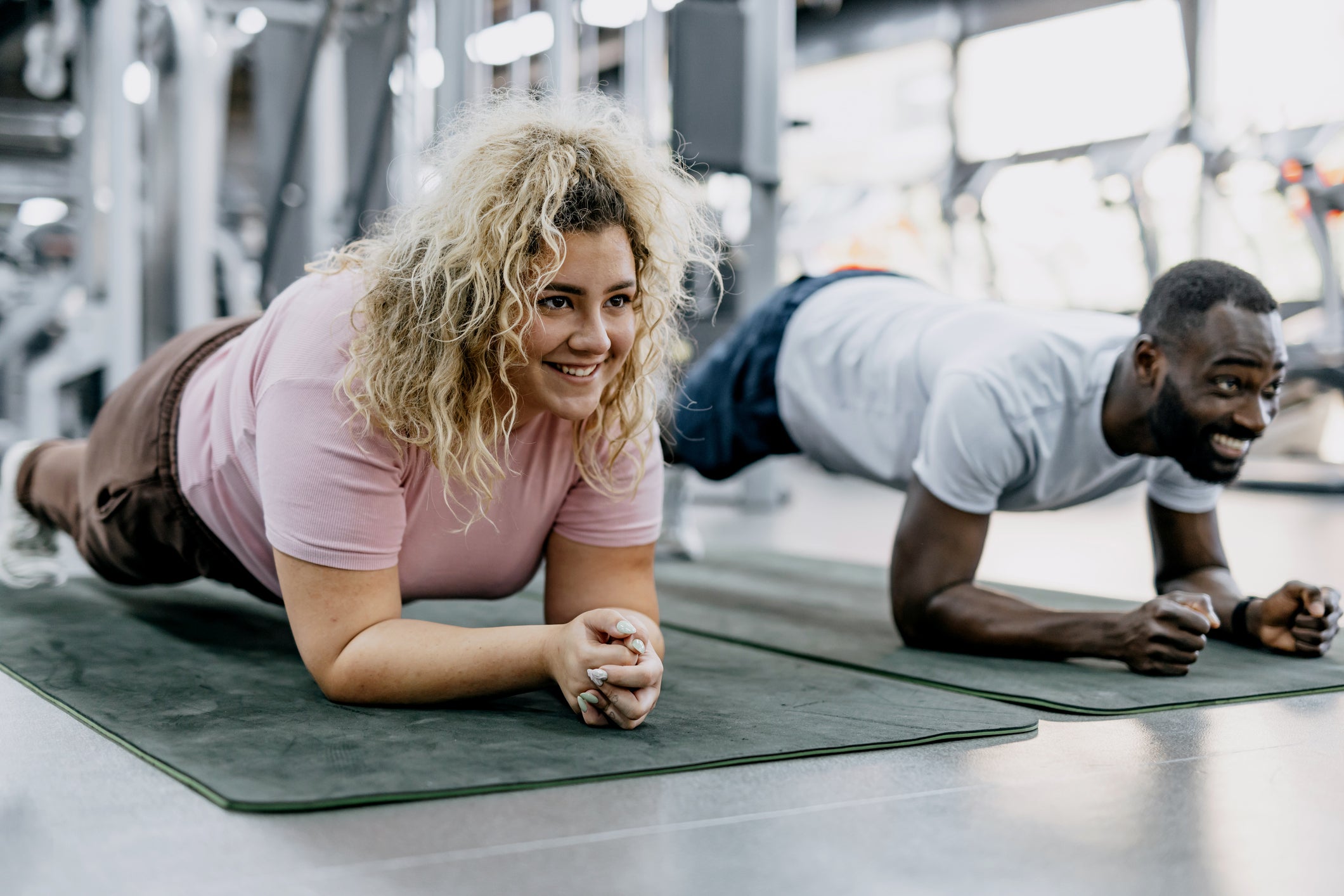
Engaging in resistance training can help address some of these challenges, particularly for muscle preservation, bone health, and energy management.
This is where creatine supplementation becomes relevant. Combining resistance training with an additional intake of about 3g-5g of creatine per day can help maintain the quality and consistency of workouts, yielding significant benefits for strength in mid to later life.
Women who consistently use creatine have demonstrated improved muscle function, which can significantly enhance overall quality of life. Some evidence even indicates that using creatine alongside resistance training may support bone health in postmenopausal women, although this is not universally agreed upon across studies.
Importantly, it’s worth noting that creatine does not lead to weight gain or the development of an overly muscular appearance, concerns often voiced by women considering supplementation.
Recent research has begun to delve into the potential impact of creatine on brain health, cognitive function, and mood, particularly among older women. Findings also suggest that in younger women, it may elevate mood and cognitive performance following a poor night’s sleep.
Additional studies reveal that a daily intake of 5g of creatine can promote longer sleep duration in younger women—especially following workouts. This same dosage also appears to enhance sleep quality in perimenopausal women, likely by supporting the brain’s energy needs.
About the author
Justin Roberts is a Professor of Nutritional Physiology at Anglia Ruskin University. This article is republished from The Conversation under a Creative Commons license. Read the original article.
One study highlighted that women taking 5g of creatine daily, alongside antidepressants, reported a greater reduction in depressive symptoms compared to those who were only taking antidepressants.
Given that many women experience issues such as “brain fog,” trouble concentrating, stress, fatigue, and poor sleep during their menstrual cycle and menopause, incorporating creatine may offer an affordable solution to alleviate some of these symptoms. However, a higher daily dosage (around 5g-10g) may be necessary to boost creatine levels in the brain effectively.
While creatine is not a miracle supplement and more research is needed on its effects on women, available findings indicate that even a modest amount of daily creatine—combined with a healthy lifestyle and resistance training—shows promise in supporting various aspects of women’s health.


