Summary of Key Points
Capital Turn Concept
- Automotive retailers deeply understand inventory turn; they need to apply the same thinking to capital turn—reducing the time between committing capital to a vehicle and reusing that capital.
Technology’s Role
- Technological advancements like AI can significantly influence transaction speed by automating decisions on valuation, bidding, and acquisition.
- AI agents can analyze various data to identify the right vehicles and acquire them efficiently.
Trust and Verification
- Faster transactions require reliable verification methods to ensure the legitimacy of parties involved in the transaction, thus reducing fraud.
- Maintaining trust in transactions involves implementing systems that independently verify identities and authorizations.
Transaction Time Clocks
- There are three critical clocks in a vehicle acquisition transaction:
- Decision Time: Compression through AI for valuation and acquisition.
- Physical and Legal Time: Involves inspection, transportation, and other requirements.
- Money Time: Ensures quick payment processes and capital release.
The Role of Stablecoins
- Stablecoins can potentially revolutionize automotive payments by allowing near-instant transaction settlement, which translates into usable capital more quickly.
- However, real-world operational challenges must be addressed for effective adoption.
Economic Implications
- The faster capital can be redeployed, the more purchasing activity a dealer can support without additional capital commitment.
- Creating additional turns on capital can lead to significant increases in purchasing capacity.
Testing and Implementation
- Recommendation to start with pilot projects connecting verification of identity with vehicle possession authority and digital transaction records.
- Measure key metrics such as turnaround time and the impact of fraud prevention measures.
Conclusion
- The ultimate goal is to reduce friction across all aspects of the transaction cycle, making capital more efficient and potentially giving retailers a competitive edge without needing more capital.
Author Note
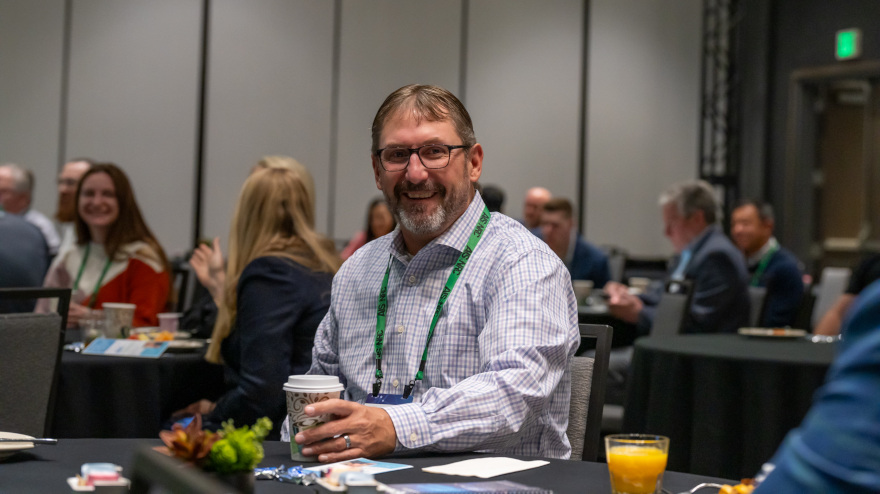
- Brad Smith, the author, is the CEO of Block Bridge, Inc., and will be speaking at Used Car Week in San Diego starting on November 16.