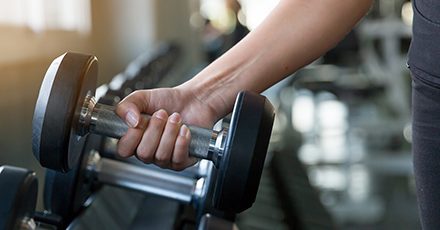
When can you expect to see muscle gains?
The timeline for seeing muscle gains is not straightforward and can vary greatly. Several key factors play a role in how quickly an individual can build muscle mass, including:
- Age
- Diet
- Gender
- Genetics
- Type of training
- Frequency of training
- Starting muscle mass
- Training duration
Due to the complexity of these factors, there are limited studies that clearly outline the typical rates of muscle gain. However, it is well-known that developing muscle is not an overnight process; it requires long-term commitment and the appropriate training methods. Generally, the most frequently cited estimates for muscle gain are:
- 1-2 lbs of muscle per month for men
- 0.5-1 lb of muscle per month for women
The time it takes for noticeable muscle changes to occur can also vary. Research indicates that it often takes at least 6-8 weeks before anyone notices changes, with significant results typically emerging after three months or more.
How is muscle mass increased?
What occurs within our bodies to facilitate muscle growth? Many recognize that consistent resistance training leads to increased muscle mass, but the underlying cellular processes that enable this are more complex.
During resistance training, tiny tears occur in muscle fibers. This damage triggers an immune response that recruits specialized cells to repair the affected fibers. As a result, these fibers gradually increase in size—an adaptation to handle the same workload in the future without sustaining the same level of damage. The human body is remarkably adaptive!
For muscle growth to occur, protein synthesis must exceed protein breakdown. Resistance training initiates protein synthesis, which requires a sufficient intake of protein to support the working muscles—this is where nutrition becomes crucial.
Discover how much protein to build muscle, muscle-building breakfasts, what to eat on rest and easy training days and what to eat on heavy training days. We also reviewed the best protein powder, best creatine and best pre-workout supplements available.
What type of training is best?
Not all weightlifting is created equal. To maximize muscle gains, it’s essential to follow a well-structured resistance training program tailored to your specific goals. This ensures you are lifting the appropriate weights and performing the correct number of repetitions.
There are three primary categories of weight training:
Weight training for strength – this type aims to enhance the force your muscles can generate, contributing to better overall strength and power.
Weight training for muscle mass development – this focuses on increasing muscle size (hypertrophy) through higher repetitions and moderate weights.
Weight training for endurance – this involves lifting lighter weights for extended periods to improve muscular endurance and cardiovascular health.
Finding the Right Weight to Build Muscle Mass
Research indicates that lifting about 70% of your one-rep max (1RM) is optimal for muscle growth. For instance, if you can complete a single bicep curl with a 20kg dumbbell, that is your 1RM; therefore, 70% of 20kg is 14kg—this is the weight you should aim to lift for substantial muscle development.
Generally, lifting 70% of your 1RM permits 8-12 repetitions per set, providing another useful benchmark. Rather than solely determining your 1RM through heavy lifts, aim for 8-12 repetitions with a weight you find suitable. If you can complete three sets and struggle during the last 2-3 repetitions of the final set, you’re likely using the right weight. It’s vital to ensure you’re sufficiently challenged to promote muscle growth rather than merely enhancing muscular endurance.
When lifting weights, here’s a simple breakdown:
- 1-8 reps are best for strength gains
- 8-12 reps are ideal for size gains
- 12-20 reps are aimed at endurance gains
How to Get Started
While three sets of 8-12 reps may maximize muscle gains, those new to resistance training should gradually work up to this level. Jumping directly into intense training could lead to excessive muscle damage and prolonged soreness, which is not desirable for beginners. It’s wiser to ease into the training to allow your muscles to adapt to the movements and weights.
If you’re just beginning, consider the following approach:
Weeks 1-3 – Start with one set of each exercise, targeting 15-20 reps per exercise. Choose a weight that is challenging but attainable, ensuring that your form remains intact. Begin with 6-8 different exercises each session.
Weeks 4-6 – Increase to 2 or 3 sets, keeping the weights relatively the same. You may increase the weight slightly if it begins to feel less challenging, but still aim for 15-20 reps.
Week 7 and beyond – As your body becomes accustomed to lifting weights and multiple sets, introduce heavier loads. Drop your repetitions down to 8-12 and increase the weights to challenge yourself adequately in three sets of 12 reps. Always prioritize proper form; if you find yourself compromising technique, stop and rest.
Additionally, aim for 2-3 sessions per week and vary the muscle groups you target in each session.
In Short…
How long it takes to gain muscle varies based on several factors, including age, genetics, gender, diet, and training regimen. Typically, initial results may be visible after 6-8 weeks, with more significant gains emerging after three months. Regardless of how long it takes, enhancing muscle strength is a valuable pursuit for improving overall health and quality of life. More muscle mass means more calories burned, as muscle tissue is metabolically active. Thus, resistance training can play a pivotal role in weight maintenance.
Read More
What is carb-loading?
How to hydrate properly
What to eat on normal training days
How to fuel your body like an athlete
Emma White (ANutr, MSc Human Nutrition) is Senior Nutritionist for the calorie- and nutrient-tracking app Nutracheck. She is passionate about how food science applies to the human body, and how the nutrients in what we eat affect us and ultimately have an impact on our health.
All health content on goodfood.com is provided for general information only and should not be considered a substitute for medical advice from your doctor or another healthcare professional. If you have any health concerns, please consult your local healthcare provider. See our website terms and conditions for further information.