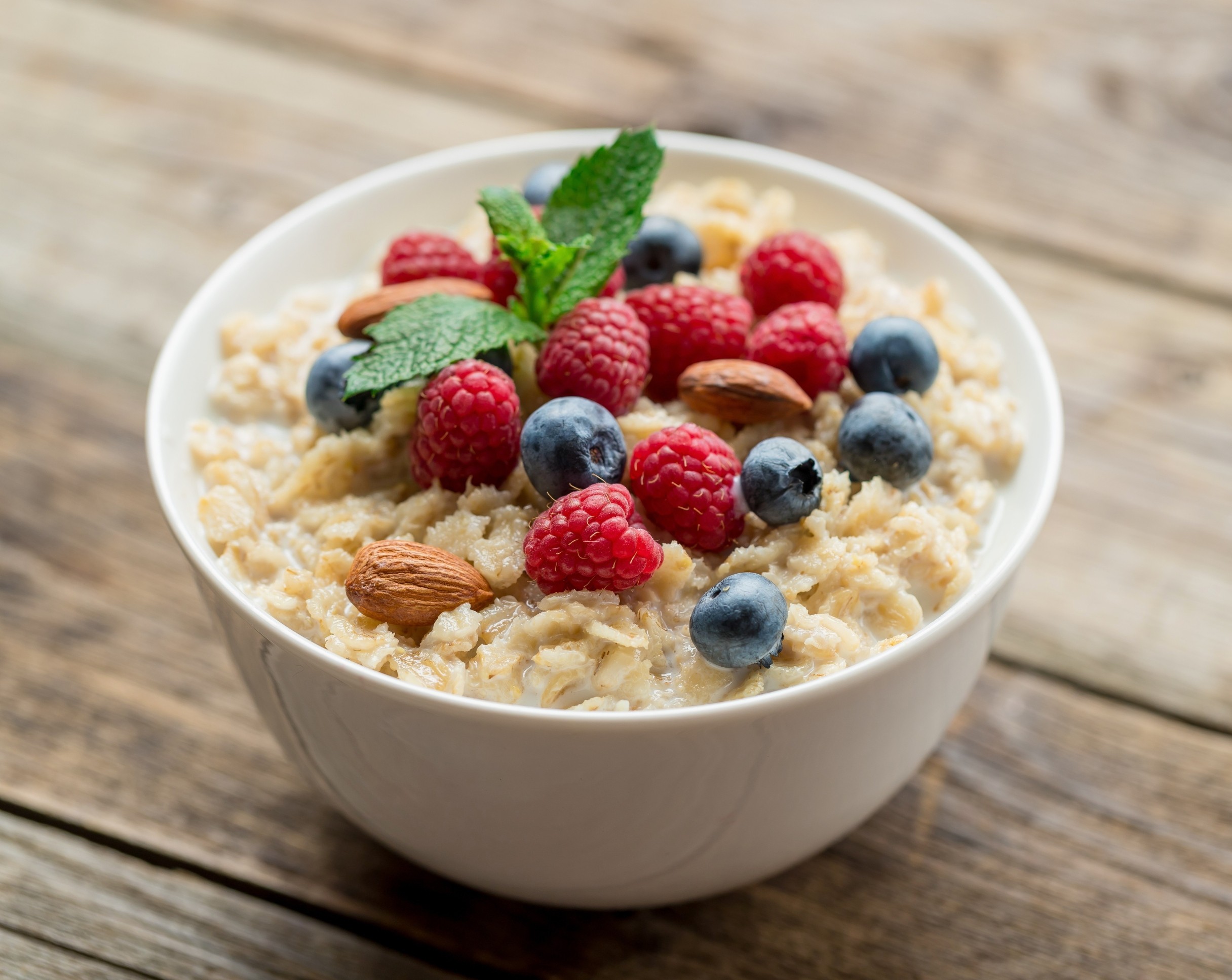
For years, oats have lingered quietly on grocery store shelves, often overlooked despite their affordability and familiarity. However, recent research unveils their potential to deliver unexpected health benefits in a remarkably short timeframe.
A study conducted by researchers at the University of Bonn found that consuming primarily oatmeal for just two days resulted in significant improvements in cholesterol levels among individuals at high risk for metabolic disease.

The study focused on individuals with metabolic syndrome, a serious and prevalent condition characterized by excess body weight, high blood pressure, elevated blood sugar, and unhealthy levels of blood fats. These factors collectively increase the risk of heart disease and type 2 diabetes.
While medications are essential, dietary changes also play a crucial role. This research highlights the impact of a diet-centric approach, even when implemented for a brief period.
Marie-Christine Simon, a junior professor at the Institute of Nutritional and Food Science and co-author of the study, emphasized that oats previously had a significant role in dietary therapies.
“Today, effective medications are available to treat patients with diabetes,” Professor Simon noted. “As a result, the dietary approach has been largely neglected over the past few decades.”
How the Two-Day Oats Diet Worked
Participants in the study adhered to a strict regimen, consuming primarily oatmeal for two days. Each individual ingested 300 grams of oats daily, cooked simply in water.
Light additions of fruit or vegetables were permitted, but participants avoided all other foods. This regimen also halved their usual caloric intake.
A total of 32 men and women completed the oat-centric diet, while another group followed a calorie-restricted diet without oats. Both groups experienced some benefits, likely due to reduced calorie intake. However, the oat group demonstrated significantly greater improvements in cholesterol levels, and these effects remained over time.
“The level of particularly harmful LDL cholesterol decreased by 10 percent for them—a notable reduction, though not fully comparable to modern medications,” Professor Simon explained.
“They also lost an average of two kilograms and experienced a slight drop in blood pressure.”
Why Bad Cholesterol Matters
LDL cholesterol is often referred to as “bad” cholesterol for good reason. Excess LDL in the bloodstream can accumulate in vessel walls. Over time, these fatty deposits narrow the arteries, impeding blood flow.
The hazards of high LDL don’t end there. Stressful situations, anger, or intense physical effort can cause these deposits to rupture, leading to the formation of blood clots that can wholly block an artery.
Sometimes, fragments may break off and travel through the bloodstream, potentially resulting in heart attacks or strokes.
Though a 10 percent reduction in LDL may seem modest, it can have a substantial impact on public health. Remarkably, this benefit arose from just two days of oatmeal consumption.
The Gut-Bacteria Connection
The oats did not act alone. Much of the beneficial effects appeared to originate in the gut. Oatmeal altered the composition of gut bacteria, which in turn produced substances that enhanced the body’s cholesterol management.
“We discovered that oatmeal consumption led to an increase in certain bacteria within the gut,” said Linda Klümpen, the lead author of the study.
These bacteria metabolize components of the oats, releasing by-products that circulate into the bloodstream and influence bodily functions.
“For instance, we were able to show that intestinal bacteria produce phenolic compounds by breaking down the oats,” Klümpen added. “Animal studies have demonstrated that one of these, ferulic acid, positively impacts cholesterol metabolism. Similar effects likely pertain to other metabolic products generated by bacteria.”
Moreover, these bacteria also assist in eliminating histidine, an amino acid that can contribute to insulin resistance—a major precursor to type 2 diabetes. This interplay suggests that the oat diet may also mitigate diabetes risk.
Comparing Oat-Based Diets
The researchers explored a slower dietary intervention as well. In a separate trial, participants were given 80 grams of oats daily for six weeks, without caloric restriction.
The results were significantly less pronounced, indicating that the body may respond more effectively to an intense, short-term dietary change than to a gentle, prolonged one.
“A short-term oat-based diet, implemented regularly, could serve as a well-tolerated way to maintain cholesterol within healthy levels and help prevent diabetes,” concluded Professor Simon.
The next steps include testing whether repeating this two-day oats regimen every few weeks could provide lasting health benefits.
While oats won’t replace medications, this research highlights that even a simple food, used strategically, can guide the body toward better health. Sometimes, brief, intentional changes can lead to significant, lasting improvements.
The complete study was published in the journal Nature Communications.
—–
Found this information helpful? Subscribe to our newsletter for engaging articles, exclusive content, and the latest updates.
Explore more with us on EarthSnap, a free app brought to you by Eric Ralls and Earth.com.
—–