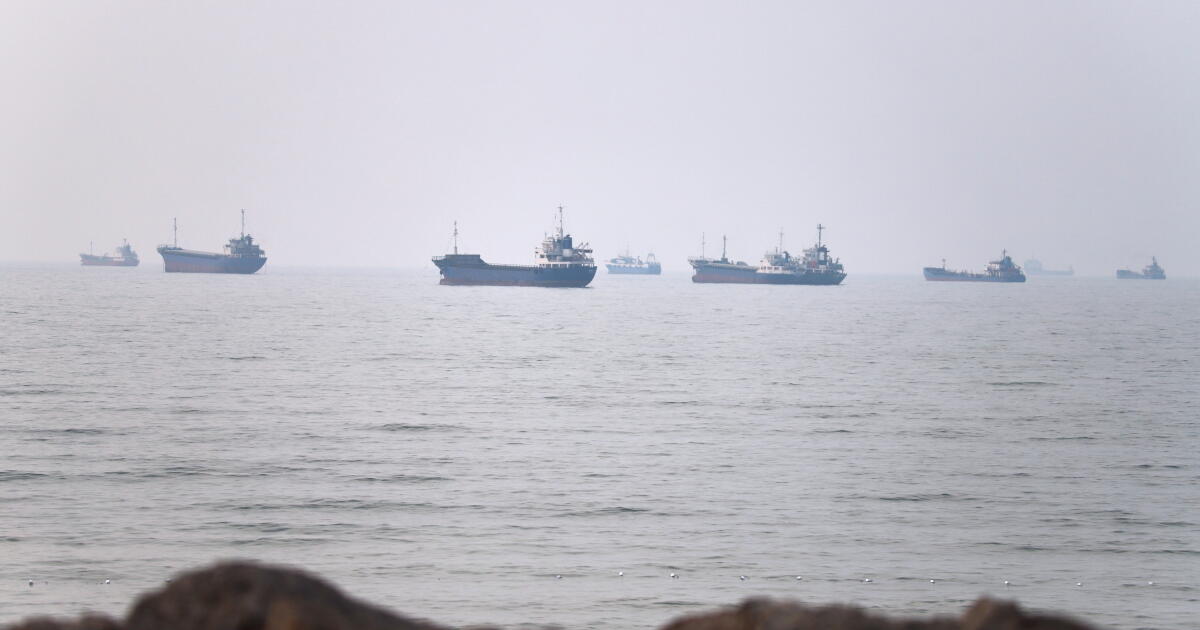
The ongoing Iran war has transformed global energy economics significantly since US-Israeli strikes disrupted fossil fuel production in the Middle East and intensified tensions in the Strait of Hormuz. Key developments include:
Economic Impact
- Increased Costs: Global fossil fuel importers faced over $330 billion in additional expenses since the war began, a sum comparable to Finland’s GDP.
- Winners: Countries outside the conflict, particularly in North and South America, have profited as they ramped up production to fill gaps left by Gulf suppliers. China, leveraging its position in renewable technology, has seen record clean tech exports and a surge in electric vehicle sales.
Environmental Effects
- Despite the war’s economic strain, global greenhouse gas emissions rose only slightly, indicating that renewable energy sources are expanding. Analysts express uncertainty about the long-term impact due to the volatility in energy markets.
Impact Analysis
Winners
- Clean Tech Leaders: China’s clean energy sector is thriving, reflected in record exports and sales.
- Non-Gulf Fossil Fuel Producers: Nations in the Americas benefit from increased demand amid reduced Gulf exports.
Losers
- Gulf States: The conflict has damaged infrastructure and caused significant financial losses, hindering their transition to greener energy.
- Import-Dependent Nations: Countries like Japan and South Korea, reliant on Gulf oil, are struggling with increased costs, as are many African nations facing economic crises exacerbated by soaring fuel prices.
Accelerated Transition to Renewables
Developing economies are rapidly shifting towards renewable energy as a response to high energy prices, with notable strides in solar energy adoption. Emerging markets throughout Africa and Asia are importing more renewable technology, indicating a significant shift in energy consumption patterns.
Conclusion
The Iran war has catalyzed a complex restructuring of global energy markets, with clear winners and losers. Increased interest in renewable energy could lead to lasting changes, particularly as developing regions seek to mitigate the impact of higher fossil fuel prices.