Aura Battles in Latin America: A New Trend
Overview
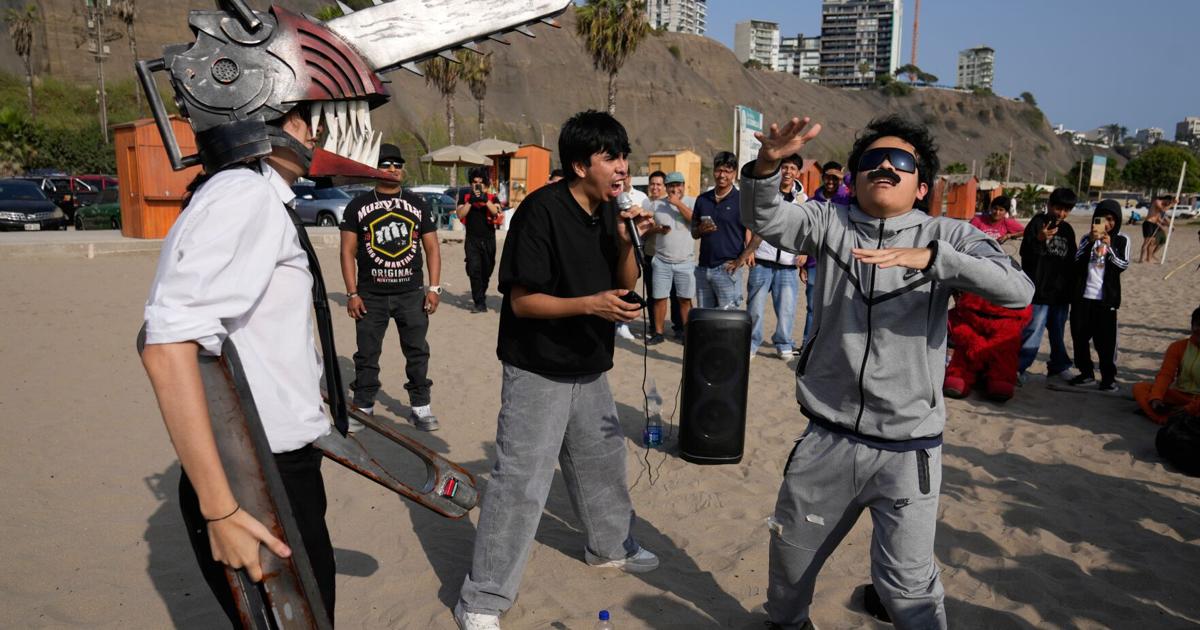
In Lima, Peru, a vibrant group of young people has taken to the beaches to participate in “aura battles,” a lively real-world adaptation of the online sensation known as “aura farming.” This phenomenon has gained traction across Latin America, blending gaming culture with social interaction.
The Competition
Participants, often dressed as beloved characters from comics or animated films, compete for applause and recognition. Creative dance moves and unique performances, such as forward rolls or quirky hopping, are the highlights. Liam González, a 20-year-old film student, explained aura farming as a way to express oneself freely and enjoy the moment.
Cultural Roots
Originating in Brazil and fueled by social media, aura battles have spread widely. Maria Paula Martínez, an arts professor, highlighted that the aim is not popularity, but rather to generate good vibes and elicit joy from the crowd. Participants are akin to video game characters farming for points, but in this case, they’re cultivating positive energy.
Evolution and Reception
Fernando Lícito, a Peruvian content creator, brought the concept to Peru after observing its success in Brazil. His aura battles focus on crowd engagement without the need for competition-related negativity. Styles are influenced by various online trends, including mimicking famous soccer celebrations.
While these contests have gained popularity in cities like Mexico City and Buenos Aires, they’ve faced pushback in some areas. Local officials have cancelled events for lack of permits, citing concerns over public interest and potential disruptions to learning in schools.
Conclusion
Despite mixed reactions, aura farming represents a new frontier for social interaction among youth in Latin America. It allows for creative expression and community bonding, even catching the interest of educators in some regions. As this trend continues to evolve, it promises to reshape how young people connect and express themselves in both physical and digital spaces.