Heat Safety Tips for Pets from Texas A&M Veterinary Medical Diagnostic Laboratory
As summer intensifies with triple-digit temperatures across Texas, Terry Hensley, a veterinarian from the Texas A&M Veterinary Medical Diagnostic Laboratory (TVMDL), emphasizes the importance of keeping pets hydrated and protected from heat stroke.
Understanding Pets and Heat
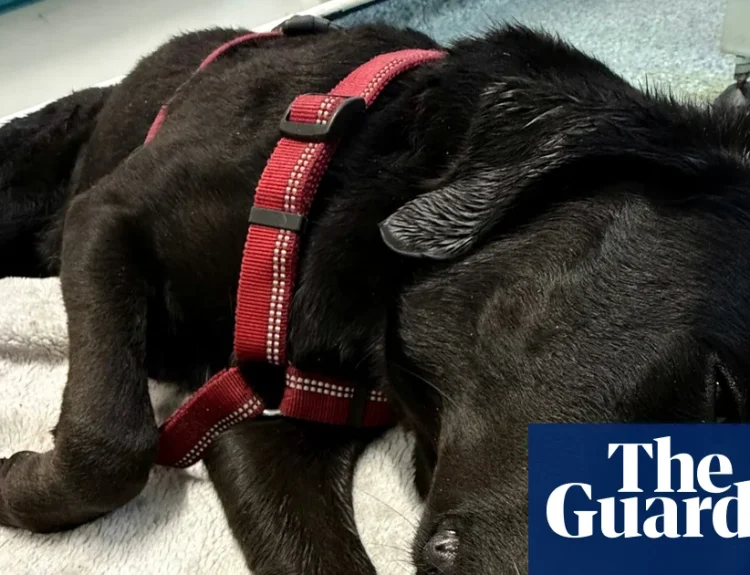
Pets can quickly overheat when their bodies can’t cool down effectively. Heat stroke occurs when their body temperature exceeds 104 degrees Fahrenheit, which can lead to severe health emergencies. Unlike humans, pets primarily cool themselves through panting and seeking shade, making them vulnerable during high-temperature periods.
Importance of Hydration
Access to fresh water is crucial. Overexposure to heat, lack of ventilation, and physical exertion amplify the risk of dehydration, similar to humans.
-
Dogs: Typically more active outdoors, dogs need constant access to fresh water both inside and outside.
-
Cats: Feline preferences for drinking water can vary. They often prefer water sources away from food and litter boxes and are more inclined to drink from flowing water sources due to their instinctual association with cleanliness.
Tips for Pet Owners
-
Provide Fresh Water: Ensure pets have continuous access to clean, cool water. Regularly refresh their water bowls to keep it appealing.
-
Offer Shade: Pets outdoors should always have access to shady spots to escape direct sunlight.
-
Monitor Behavior: Watch for signs of overheating, such as rapid panting or abnormal respiratory rates, and seek immediate veterinary attention if necessary.
-
Know the Signs: Familiarize yourself with the clinical signs of heat stress and dehydration, which can escalate quickly if left untreated.
Conclusion
By prioritizing fresh water and shade, pet owners can significantly reduce their pets’ risk of heat-related illnesses. Stay vigilant during these hot months to ensure your furry companions remain safe and comfortable!
For more information, visit the Texas A&M Veterinary Medical Diagnostic Laboratory or call their College Station laboratory at 888-646-5623.
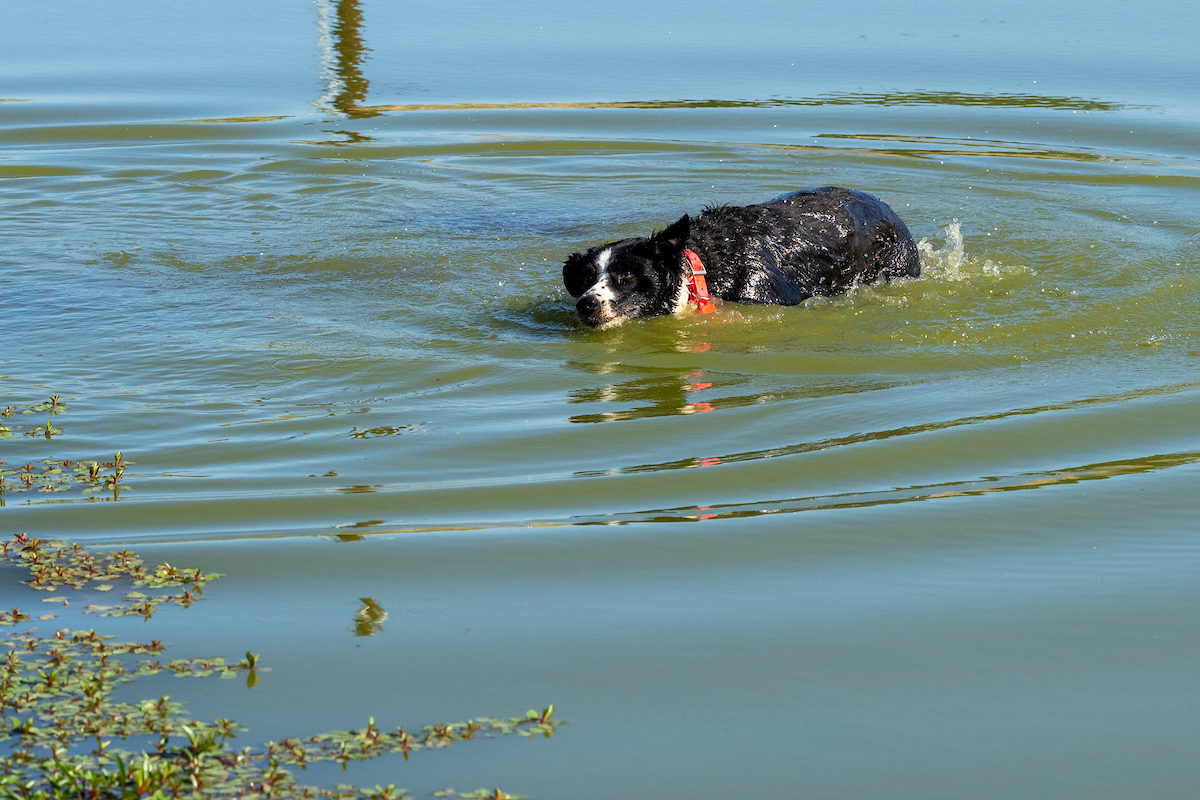
PHOTO: Pets need access to cooling methods during extreme heat to prevent heat stroke. Proper hydration is essential. (Michael Miller/Texas A&M AgriLife)