The Human Being Diet is gaining recognition as an innovative approach to eating, combining elements of both feasting and fasting. As it joins the ranks of various diets aimed at weight loss and overall wellness, many wonder: What sets this diet apart, and could it help you achieve your weight-loss and energy goals?
In the UK, around 45% of adults are currently trying to shed some weight, with women being particularly active in this pursuit. No wonder, then, that new diets trending on social media attract so much interest!
Introducing the Human Being Diet (HBD), developed by nutritionist and author Petronella Ravenshear. This diet is complemented by a book and cook book, along with a dedicated following on platforms like Instagram where users share their progress, tips, and favorite recipes.
Discover more about popular diets such as the 5:2 Diet, the Keto Diet, and the Mediterranean Diet.
What is the Human Being Diet?
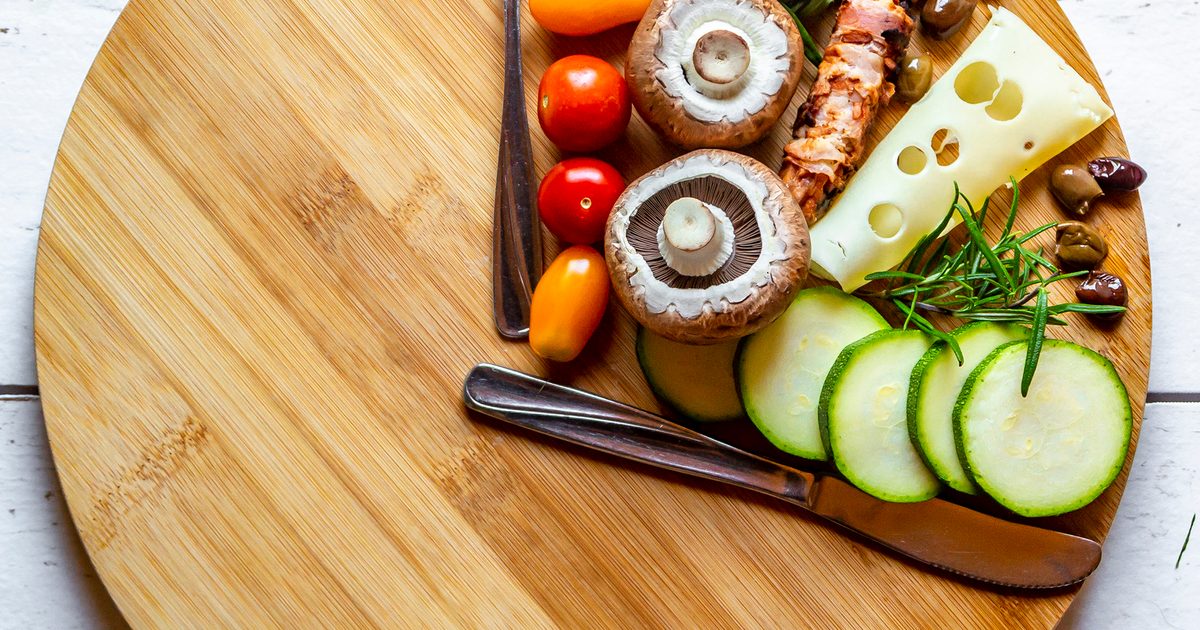
The HBD promotes three meals a day, emphasizing minimally processed, nutrient-rich, and anti-inflammatory foods. Rooted in Mediterranean dietary principles, the focus is on consuming a variety of vegetables and quality proteins while limiting the intake of fruits and grains.
Unlike many other diets, the HBD does not advocate for meal-replacement items like shakes or bars. Instead, it prioritizes health, allowing weight loss to occur as a natural outcome. This is achieved by stabilizing blood sugar and insulin levels, which can foster hormonal balance, reduce inflammation, and ultimately lead to weight loss.
The HBD aims to educate individuals on the foods that suit them best according to their unique biology, and it seeks to redefine their relationship with food, including aspects like timing and consumption habits.
How does the HBD work?
The diet is designed to transition you into a healthier eating pattern by restoring your body’s natural balance. It eliminates ultra-processed foods while emphasizing nourishing ‘real’ foods. This plan is structured around ten rules and four phases, spanning over three months, all detailing what foods to consume and the timeframe for each phase.
The 10 rules of the HBD
- Consume three meals a day, with a five-hour fast between each meal, allowing only water in between.
- Start each meal with a few bites of protein, choosing just one type of protein per meal.
- For the initial 16 days, refrain from using oil or drinking alcohol.
- Avoid wheat and other grains during the first 16 days.
- Do not engage in cardio exercises for at least the first 16 days.
- Drink approximately 35ml of water for every kilogram of your body weight each day.
- Eat one apple daily (with a meal) and only one kind of fruit per meal.
- Limit each meal to one hour, with the exception of the designated weekly ‘treat’ meal.
- Complete your last meal by 9pm.
- Refrain from consuming sugar, honey, or artificial sweeteners, except during the weekly treat meal.
What can I eat on the Human Being Diet?
You should focus on vegetables and high-quality proteins like fish and eggs, along with essential fats and moderate amounts of fruit. However, wheat and grains are restricted in the early phases of the diet.
Phase One – Preparation: 2 Days
The initial 16 days (which encompass both phase one and two) function as a reset period. During this time, food and drink options are quite limited, potentially resulting in lower nutrient intake. The goal here is to rebalance hormones and reset your metabolic health—that is, how your body processes nutrients for energy production.
In the first two days, the focus is on non-starchy vegetables, while oils, grains, dairy, proteins, fruit, and alcohol are excluded. There’s no requirement to fast between meals during this stage. Additionally, the plan recommends taking Epsom salts in warm water 30 minutes before breakfast to alleviate detox symptoms.
Phase Two – Reset: 14 Days
During this phase, it’s advisable to weigh your food to maintain a balanced ratio of protein to vegetables. While you can begin to introduce more food groups, oils, grains, sugars, nightshade vegetables (like peppers and eggplants), and dairy remain off-limits.
This phase promotes three meals a day with a five-hour fasting window in between. This gives your digestive system ample time to rest and recover, aiding in fat-burning. Enjoy unsweetened black tea or coffee during meals; otherwise, stick to water.
Phase Three – Burn: 10 Weeks
Phase three lasts at least 10 weeks, and some followers remain in this phase until they achieve their weight loss goals. You can now have a tablespoon of olive oil with each meal, along with a compulsory ‘treat’ meal each week that allows for more indulgence.
You’re encouraged to eat breakfast within an hour of waking and to gradually reintroduce previously eliminated foods while assessing their effects on your body for long-term suitability.
Phase Four – Forever
This “forever phase” focuses on applying the principles of the diet that work best for you, aiding in the maintenance of metabolic balance, energy levels, and overall well-being.
The plan encourages users to customize their eating habits based on individual responses to earlier phases, while continuing to avoid any foods that negatively impact them, such as wheat, dairy, or ultra-processed options. Snacking is also discouraged to maintain fasting periods between meals.
What Foods to Avoid on the Human Being Diet?
During phases one and two, it’s crucial to avoid any restricted foods and drinks until you reach phase four. This includes high-sugar fruits, starchy vegetables, grains, oils, dairy, sugar, and alcohol.
A vital tenet of the diet is the five-hour fasting window between meals, which supports digestive efficiency and enables your system to process food effectively. Fasting may also help reduce inflammation, enhance sleep patterns, and promote gut health. The weekly ‘treat’ meal is an essential component of the plan, as it can help sustain your dietary regime in the long run, while additional calories may prevent metabolic slowdown and plateaus in weight loss.
Is the Human Being Diet Healthy?
This diet seeks to reset metabolism and balance through a focus on nutrient-rich foods and a restriction of processed items. One of its fundamental aims is to reduce inflammation and stabilize blood sugar levels, with many followers reporting benefits such as weight loss, reduced joint pain, improved digestion, and better energy and sleep. However, the initial 16 days can be quite extreme and may lead to negative side effects, depending on your health status before starting the HBD.
A notable concern is the exclusion of grains, which is uncommon in conventional healthy eating recommendations. The NHS’s nutritional guidelines advise including starchy carbohydrates in meals, as they are associated with a lower risk of heart disease, stroke, and certain cancers, alongside diabetes and obesity. The HBD, however, points to a potential connection between grain consumption and increased intestinal permeability, commonly known as ‘leaky gut’, which may lead to chronic inflammation and autoimmune disease, although this view is debated among experts.
What Side Effects May You Experience on the Human Being Diet?
Some dieters might experience a temporary rise in cholesterol levels as the body breaks down fat stores. Constipation is also a common complaint, especially during the first 16 days, but this usually resolves as the body adjusts to the new diet. Initially, users might feel light-headed, tired, or experience headaches due to restricted food intake.
Conversely, many followers report positive effects such as improved skin, digestion, reduced joint pain, heightened energy levels, and better sleep quality.
What is the Evidence for the Human Being Diet?
While followers of the HBD often share personal success stories, there is currently no scientific research specifically analyzing its effectiveness for weight loss or any purported health benefits. Some principles, however, are supported by studies, including the efficacy of fasting between meals for inflammation reduction and improved sleep, concerns about whole grains and gut health, and influences of ultra-processed foods on obesity.
Who Should Not Follow the Human Being Diet?
The HBD is primarily intended for adults over the age of 18, with exceptions for:
- athletes
- pregnant or breastfeeding women
- individuals undergoing fertility treatment
Those who are underweight, elderly, or have pre-existing conditions (such as renal impairment or kidney disease) should consult a healthcare professional before starting this diet. Moreover, individuals recovering from eating disorders may find this diet unsuitable.
Does the Human Being Diet Work?
The HBD focuses on insulin management by considering what foods you eat, when, how, and how often you eat. It aims to:
- reduce inflammation
- balance hormones
- restore blood sugar control
Anecdotal evidence suggests it fosters weight loss, improved sleep quality, and energy enhancement.
Some drawbacks include the necessity to weigh your food, strictly adhere to scheduled meal times, avoid snacking and drinking anything but water between meals, and follow a set of rules. Many dieters might find the initial stages restrictive and challenging. Additionally, menstruating women may want to align these phases with the first two weeks of their menstrual cycle.
Cutting out grains and reducing fruit intake seems counterintuitive based on traditional healthy eating principles. Participants may miss out on vital nutrients, and the weekly ‘treat’ meal may promote disordered eating patterns.
While many HBD followers rave about their achievements, it’s crucial to consult your GP or healthcare provider before starting any new diet regimen to ensure it’s appropriate for your circumstances.
Interested in more?
How much should I weigh?
What is an anti-inflammatory diet?
Top 10 anti-inflammatory foods
Why are Mediterranean diets so healthy?
50 easy ways to lose weight
All health content on goodfood.com is intended solely for informational purposes and should not replace professional medical advice. If you have health concerns, please consult your healthcare provider. For more details, refer to our terms and conditions.
Kerry Torrens BSc. (Hons) PgCert MBANT is a Registered Nutritionist with a postgraduate diploma in Personalised Nutrition & Nutritional Therapy. She is a member of the British Association for Nutrition and Lifestyle Medicine (BANT) and the Guild of Food Writers. Over the last 15 years, she has contributed to various nutritional and cooking publications, including Good Food.