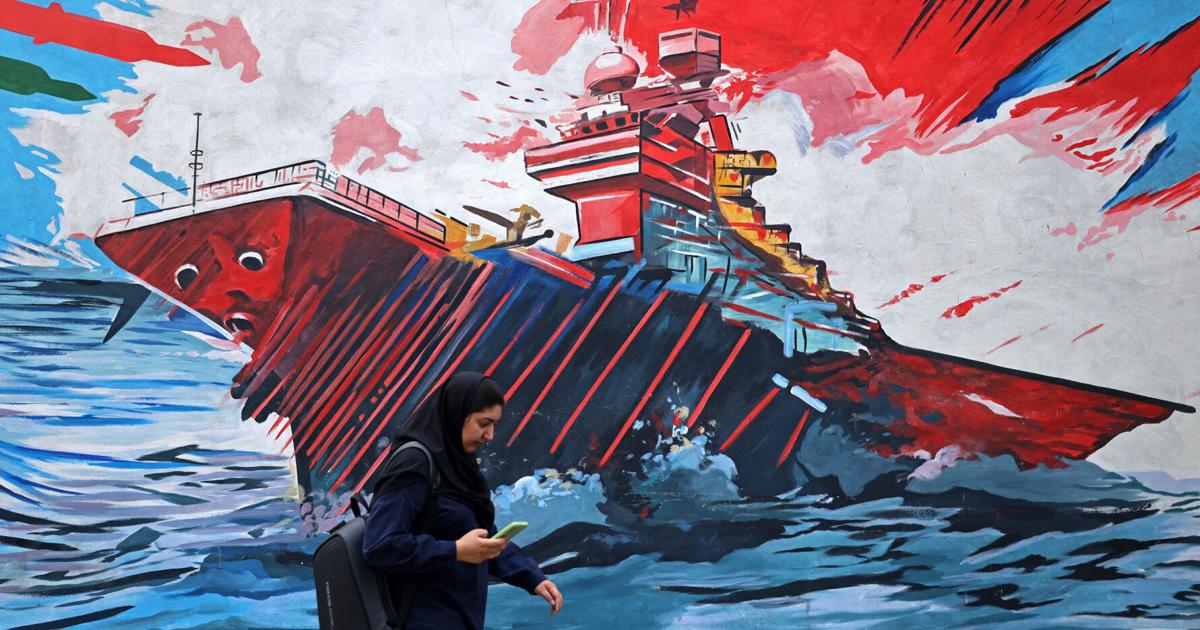
The conflict between the United States and Iran has intensified, marked by a series of military strikes from the U.S. on Iranian assets linked to the Islamic Revolutionary Guard Corps. U.S. Central Command reported targeting air defense sites, radar systems, and other maritime assets after Iran was accused of threats to commercial shipping in the Strait of Hormuz and against American personnel.
In response, Iran launched what it termed a “decisive operation” against U.S. bases, reportedly firing missiles at a base in Jordan. Oil prices surged following these developments, reflecting increased geopolitical risk. This escalation follows a brief period of relative calm, as the Trump administration had shifted to economic measures against Iran.
Treasury Secretary Scott Bessent expressed a belief that Iran’s economic struggles might push its leaders towards negotiations to end the conflict. However, the risk of ongoing fighting looms large, potentially impacting global energy prices and inflation.
Reports indicated explosions in several Iranian cities, with growing casualties. U.S. officials anticipated further escalation, yet details from both sides remained conflicting regarding the safety of navigation in the strategically important strait. The recent military actions have raised questions about the prospects for renewed peace talks, with mediation efforts ongoing but no imminent resolution in sight.