 The ideals that define America are as diverse as the vast expanse of its landscape. The beliefs of one American can be significantly different from those of another, with the connections between individuals from various regions varying greatly. For instance, someone from the Mid-Atlantic may find little in common with a Midwesterner, and those from Cascadia might feel even more distant.
Even neighboring communities may discover stark contrasts in their lifestyles and values. One individual might seek meaning in mystical pursuits, while another finds joy in the excitement of college football. Meanwhile, a third person may grapple with the constraints of traditional viewpoints that weigh heavily on their spirit.
Amid this rich tapestry of American life, the media narrates the saga of our national struggles with persistent frequency. They tend to view events through the lens of the two-party political landscape, filtering out any dissenting opinions. What reaches the public is often just a narrow selection approved by those in control.
We continuously hear the same Marxist narrative about wealthy individuals exploiting the hardworking underprivileged. The emphasis remains on superficial traits such as skin color, ethnic divisions, and the complexities of gender identities. Political correctness serves to obliterate any divergent thoughts with relentless force.
Even more disheartening, there is a prevailing message that individuals should subordinate their desires to the collective good. The idea that what belongs to one is owed to all, while one’s own belongings are disregarded, has become commonplace. In addition, the merit of hard work and self-sufficiency has been diminished to a mere charade.
What You Make of It
Despite these narratives, the America we encounter daily, as we step out into the world, feels starkly different from what is portrayed. The oversaturation of thoughtless newspeak and the stifling nature of political correctness can often feel belittling.
However, we believe that individuals possess the ability to discern truth for themselves. They don’t require government mandates to address medical emergencies or life’s challenges. Observations suggest that people can achieve incredible feats without federal assistance.
The essence of the American journey is for each person to shape their own experience. Throughout this journey, everyone will inevitably face setbacks, but even during the most challenging times, there is always something to be thankful for with a moment of reflection.
This is what makes Thanksgiving Day particularly special in American culture. Regardless of whether one worships the Biblical God or the deities of modern sports, the holiday fosters a unique sense of shared purpose among people.
Importantly, even the most ungrateful among us can pause for a single day each year to express gratitude, even if they feel entitled to more. For many, gratitude is a daily affirmation of life’s significance.
Somewhere Between Heaven and Hell
In Costa Mesa, California, at Charle Street, a refuge exists for those in desperate need, where the process of ego deflation brings forth hope and miraculous transformations on a daily basis. If you find yourself in this space, you are likely yearning for what Carl Jung referred to as “a spiritual experience.”
An important principle hangs on the wall of Charle Street’s meeting room:
“Grateful people are happy people, and those who are not, simply aren’t.”
This statement is straightforward. Happiness follows gratitude; it does not precede it. Those who embrace gratitude often discover profound shifts in their outlook on life.
With a little daily practice of thankfulness, even those facing adversity can find numerous reasons for joy. Even in trying times, if we take a moment to ponder, we can always uncover elements to be grateful for.
Thus, amidst life’s trials, including the pitfalls of a consumerist society and the distraction of social media, an attitude of gratitude remains a worthwhile aspiration. When all else fails, it can be grounding to wash the dishes, make the bed, and cultivate gratitude.
However, we must approach gratitude with the right frame of mind, much like interpreting financial reports.
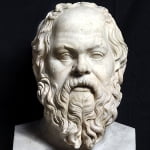
How To Give Thanks Like Socrates
A major fallacy within consumer culture is the belief that the one who accumulates the most possessions triumphs. If a little is good, surely more must be better, right? Why settle for one when two are available?
However, more is often not synonymous with better. In many cases, it can even be counterproductive. Take, for instance, the excess of cake, multiple spouses, an overflow of wine, and the endless accumulation of laws and regulations. More taxes, traffic, emails, and social media can diminish our quality of life.
This indifference toward material possessions can be a valuable trait when developing gratitude. Much like freedom, gratitude often stems from acknowledging what we do not possess rather than what we do. The deepest gratitude frequently arises not from blessings received, but rather from hardships alleviated.
In the spirit of Socrates and this Thanksgiving Day, let us present a lighthearted list of things we can be grateful for that have been removed from our lives. In the face of historical complexities, here are just a few, in no particular order:
The incessant barking of the neighbor’s dog, unreasonable business partners, dirty diapers, chronically late clients, carpal tunnel pain, excessive drinking, clunky vehicles, cold sweats from illness, torturous projects, infamous political figures, troublesome software, home renovations, and much more.
Sincerely,
MN Gordon
for Economic Prism
Return from How To Give Thanks Like Socrates to Economic Prism

