As the new year dawns, many of us consider updating our exercise routines. Whether you’re getting back into the groove after a holiday break or are committed to fitness after a lengthy hiatus, starting slowly is crucial.
In my experience as a personal trainer, I’ve often observed clients pushing themselves too hard, too quickly. This can lead to injuries that may require them to pause or even stop their fitness journey altogether.
While injuries are an unfortunate aspect of being active—affecting even the most experienced athletes—most exercise-related injuries can be prevented. Issues like poor form, especially when lifting weights, neglecting warm-ups and cool-downs, and overloading your body before it’s ready are major contributors to injury risk.
If a client feels pain, I recommend they halt high-impact activities (particularly running and HIIT workouts) and consult a physiotherapist to address the issue and prevent future occurrences.
While physiotherapy is invaluable, it can be costly. Fortunately, there are several strategies you can implement at home to help keep your fitness routine on track.
The Injury: Runner’s Knee
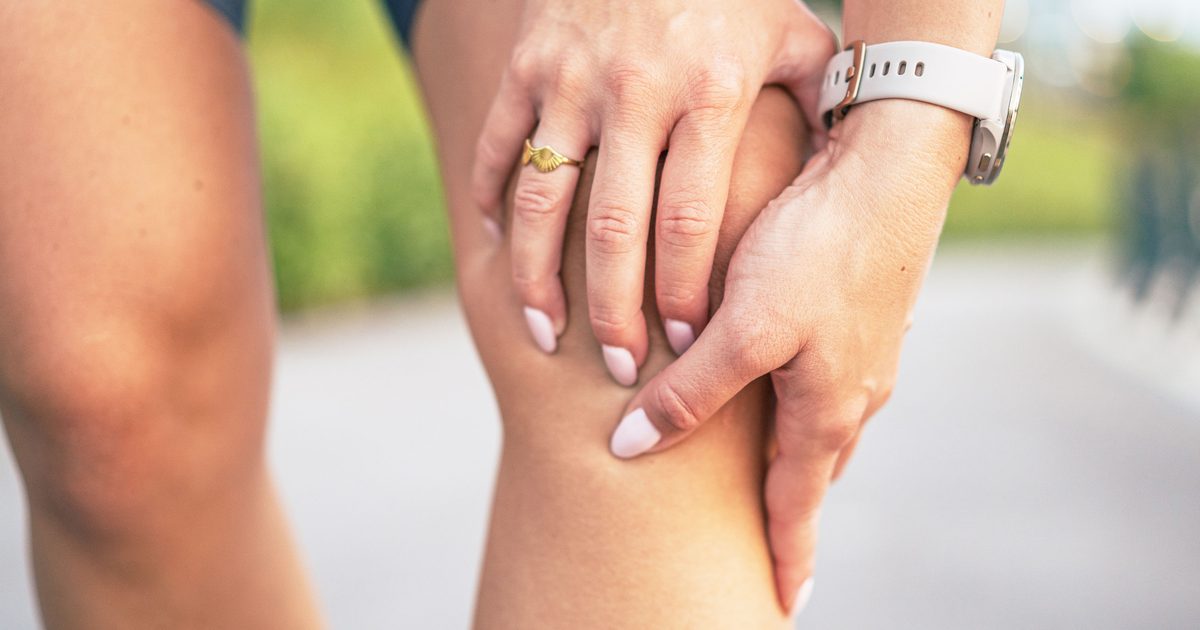
With 40% of the UK population running at least once a week (according to research by SportsShoes), and over 50 million Americans jogging regularly, many are susceptible to Patellofemoral joint pain or runner’s knee. This condition manifests as pain at the front of the knee or around the kneecap, often in conjunction with the thigh bone.
Overdoing it—whether it’s in terms of mileage, speed, or incline—can overload the joint, leading to discomfort if your knee can’t support the strain.
“Activities that increase compressive load through the knee while bent can trigger symptoms,” explains Julia Draper, a physiotherapist and sports masseuse at The Running Room Battersea clinic.
This includes activities like squatting, cycling, jumping, landing, or even remaining seated for extended periods with bent knees.
Prevent it:
If you’re new to running, gradually build your distance and speed to allow your joints time to adapt. This principle is particularly important for downhill running, which applies significantly greater forces on the kneecap.
Incorporating strength training is crucial as well. Exercises like weighted squats, lunges, and step-ups enhance the strength of your quads, glutes, and hips, thereby reducing stress on the knee.
Before your run, consider dynamic warm-up exercises like leg swings and lightweight pogo jumps to prepare your muscles for impact. For leg swings, stand upright and swing one leg forward and backward like a pendulum. Do this for 10 to 15 swings on each side. For pogo jumps, stand tall with legs mostly straight and bounce lightly up and down for 20 seconds, focusing on quick, elastic touches with the floor.
DIY Treatment:
Ignoring runner’s knee seldom works. “It often resolves quickly if addressed promptly,” cautions Julia. “When pain arises, minimize high-impact loads, but keep moving. Low-impact activities like swimming are preferable, while avoiding deep squats, stairs, and downhill running. If soreness occurs post-exercise, apply ice for 10 minutes.”
Julia recommends activating key muscles that stabilize the knee to reduce strain once you return to high-impact activities. Glute bridges are an effective exercise: lie on your back with knees bent and feet flat on the floor. Elevate your hips, squeeze at the top, then lower down.
The Injury: Achilles Tendinopathy
A tight, sore sensation just above your heel might indicate an impending issue with your Achilles tendon rather than just tight calves.
“Achilles tendinopathy is an overuse injury characterized by pain, stiffness, and diminished function in the Achilles tendon, which connects your calf muscles to your heel bone,” explains Julia. This condition is typically triggered by activities that excessively load the tendon, including running, jumping, brisk walking, and climbing stairs.
“The Achilles tendon has a limited blood supply, meaning recovery can be prolonged, and symptoms may persist for months or even years if ignored,” Julia warns.
Prevent it:
Balance challenging training days with recovery days, and avoid abrupt footwear changes, which can place extra stress on the tendon. When transitioning to new shoes, do so gradually.
“Regular strength training for your calf muscles enhances tendon resilience,” Julia adds.
For prevention, try eccentric heel raises: stand on the edge of a step with both heels hanging off, rise onto your toes, then slowly lower down on one foot. Repeat this 10 times for each foot.
Before workouts, Julia recommends ankle mobility and calf activation exercises. Try ankle circles by slowly moving one ankle in both directions for 30 seconds. Double-leg calf raises can also awaken your calf muscles and prepare the Achilles for exercise. Stand tall, rise onto both toes, hold for a second at the top, then lower down with control. Do 15 reps.
DIY Treatment:
If you feel a twinge in your Achilles, immediately reduce any activities that aggravate it, but avoid complete rest.
“Start with pain-free calf loading, like double or single-leg heel raise holds,” advises Julia.
Standing with both feet on the ground, lift your heels slowly while holding the position at the top for 10 to 20 seconds. If the pain is bearable, try the single-leg variation as well.
The Injury: Hamstring Strain
Although the muscles in the back of your leg are powerful, they are often undertrained and insufficiently stretched, leading to injuries.
“Sprinting, kicking, sudden acceleration, or bending forward while fatigued can trigger such injuries,” explains James Davies, osteopath and author of Back in Ten: The 10-Minute Method to Transform Your Back and Eliminate Pain (set for release in April 2026).
Inadequate deadlifts in the gym can also be a significant factor in hamstring injuries. You might experience sudden, sharp pain at the back of your thigh, often accompanied by a popping or tearing sensation. Additionally, hamstrings can feel weak or tender, making it difficult to bend your leg.
Prevent it:
Women, particularly, should focus on hamstring stretches prior to workouts, as they often exhibit higher quad-to-hamstring strength ratios than men, potentially leading to underprepared hamstrings.
Before your workout, consider leg swings to loosen up. Post-exercise, static stretches like seated forward folds can be beneficial. With your legs extended, hinge forward at the hips, reaching toward your feet or shins. Maintain this position for 10 to 20 seconds.
DIY Treatment:
If you sense a pull or sudden tightness, pause and assess the situation. Understand the distinction between hamstring pain and discomfort.
“Discomfort may be part of recovery after a heavy workout, but sharp or worsening pain should prompt a decrease in activity,” advises James.
“Once any acute pain subsides, sit on a chair or couch with your sit bones resting on the surface and feet flat. Place your fingertips under the back of your thigh to locate any tight spots. Apply gentle pressure while slowly bending and straightening your knee, keeping the movements small and relaxed.”
Reintroduce exercise gradually. “A common mistake that leads to reinjury is returning to full intensity immediately,” warns James.
The Injury: Lower Back Pain
A staggering 49 million people in the UK suffer from back pain, according to the British Chiropractic Association. Lower back pain typically arises from weaknesses in surrounding areas, like tight glutes, hip flexors, or hamstrings, as noted by Carlo Scozzaro, a sports and exercise rehabilitator. These issues place additional strain on the lower back.
“Additionally, poor form during exercises like deadlifts or squats can significantly impact your back,” Carlo adds.
Prevent it:
To prevent lower back pain, focus on stretches targeting your glutes and hamstrings. Carlo recommends the pigeon pose for the glutes: begin in a high plank, move your left knee toward your left wrist, extend the right leg back, and gently lower your hips. Hold this position for 30 seconds, then switch sides.
For hip flexors, perform a half-kneeling hip flexor stretch. Kneel on one knee and push your hips forward to feel a stretch at the front of your hip.
If you work from home, ensure that you’re not sitting for extended periods, as this can tighten the hamstrings. Keep your screen at eye level, feet flat on the floor, and maintain an upright, non-slouched posture,” advises Carlo.
DIY Treatments:
Applying heat to your lower back can alleviate tight muscles. Hot baths, saunas, or steam rooms can be particularly beneficial, according to Carlo.
Try incorporating light stretches like the ones mentioned above.
The Injury: Rotator Cuff Injuries
Your rotator cuff, a group of muscles and tendons surrounding your shoulder, can sustain damage due to repetitive training in the gym, swimming, or weightlifting.
“Rotator cuff injuries typically develop gradually, rather than resulting from a single acute event,” James explains.
Prevent it:
Your shoulder pain may be influenced by your posture. “If your shoulders are regularly rolled forward, your chest closes, and your chin drops, the shoulder loses space to move freely,” James notes. In the gym, this posture can heighten the risk of injuries during upper body workouts.
Minimize prolonged periods of sitting and frequently open your chest. You can try a banded pull-apart by holding onto the ends of a long resistance band and pulling the ends apart to engage your shoulder blades. Aim for 10 slow repetitions.
DIY Treatment:
Once or twice a day, try assisted shoulder abduction using a broom to gently enhance shoulder mobility while keeping the affected shoulder relaxed.
“Stand upright, holding a broom or mop handle vertically. If your right shoulder is affected, place your right hand on top of the broom with your palm facing up. Relax your arm. Your left hand should grasp the broom lower down, palm facing down, allowing your fist to be visible on top. This will be the driving arm.
“Keep your body relaxed and still. Use your left arm to push the broom upward, which will gently lift your right arm out to the side. Move slowly, avoiding forcing the movement or pushing through any pain. Subsequently, lower your arm back down smoothly and repeat.”
When to See a Professional
In any case, if symptoms do not improve, stop exercising and seek help from a healthcare professional.
“If your pain persists for more than four weeks, worsens, or disrupts daily activities like walking, consult a physiotherapist or GP,” Julia advises.
While handling minor injuries on your own can be empowering, knowing when to seek expertise is essential to avoid turning a temporary issue into a long-term one.
Read More…
How much exercise should I do each day?
How to exercise for free
Top 10 foods for fitness
Health benefits of walking
How to fuel your body like an athlete
All health content on goodfood.com is intended for general informational purposes only and should not serve as a substitute for professional medical advice. If you have health concerns, please consult your healthcare provider. Refer to our terms and conditions for further details.