1
/
9
When you think about the best vitamins for boosting your immune system, pills and capsules may come to mind. However, nutrition can come from food sources rather than just supplements. Sharon Palmer, RDN, a nutritionist from Ojai, CA, emphasizes that obtaining nutrients through diet is often a more effective method than relying solely on supplements. Some experts advocate that whole foods offer better absorption of essential vitamins.
Palmer highlights important nutrients for immune health, including vitamins C, E, and D, along with zinc, probiotics, fiber, and mushrooms.
2
/
9
Best Vitamins for Your Immune System
1. Vitamin C
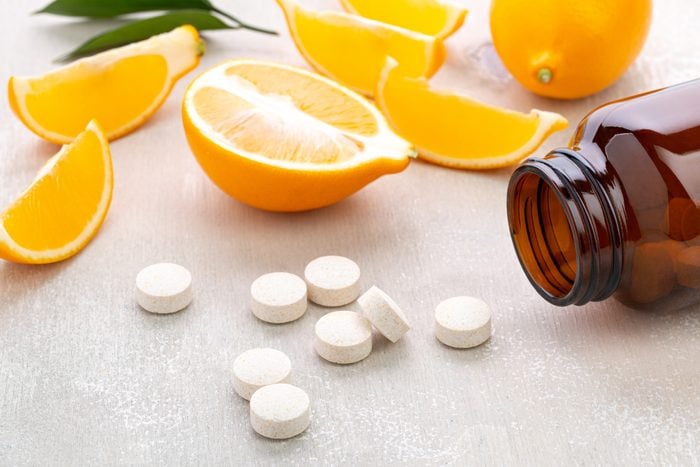
“Many people take large doses of vitamin C, but research on its benefits remains inconsistent,” Palmer explains. A 2017 study in Nutrients found that vitamin C is crucial for immune health, but according to the National Center for Complementary and Integrative Health, it cannot prevent colds.
“It’s best to obtain this antioxidant-rich vitamin through your diet to enhance immune responses,” she adds.
3
/
9
2. Elderberry
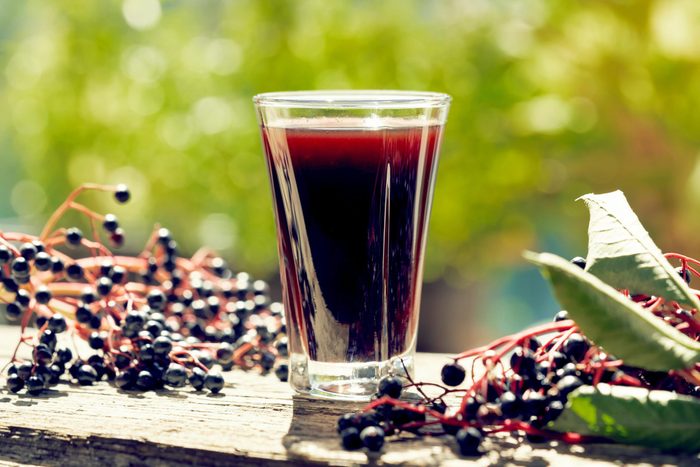
While many people use elderberry to boost their immune systems, Palmer notes that “the evidence supporting its benefits is not very robust.” Experts often say elderberry is less effective once an individual is already infected.
The Cleveland Clinic states that research is mixed on whether elderberry can reduce the duration of flu symptoms. A 2019 study in Complementary Therapies in Medicine questioned its effectiveness in alleviating upper respiratory symptoms.
4
/
9
3. Zinc
Zinc is crucial for immune function, as noted by the Mayo Clinic, but moderation is key.
Palmer agrees, warning that excessive zinc intake can actually impair immune responses. “It’s crucial to consult your healthcare provider regarding supplements and ensure the products you choose are third-party tested for quality and effectiveness,” she advises.
5
/
9
4. Selenium
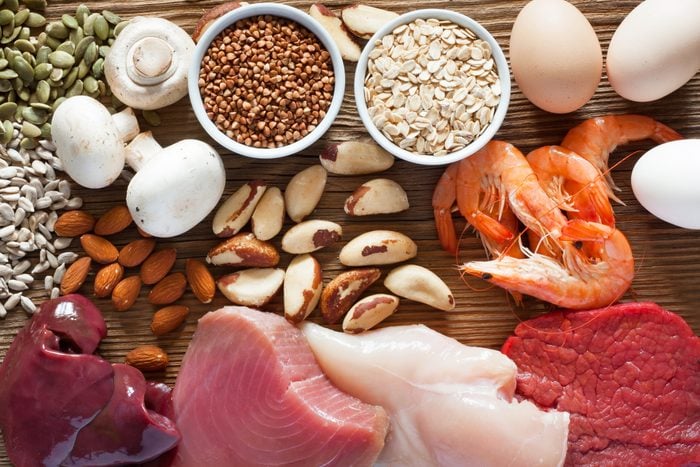
While you might not actively seek out selenium supplements, the National Institutes of Health points out that it is vital for optimal immune function. A 2020 study in Nutrients asserted that selenium supports cellular function, and inadequate levels may lead to increased susceptibility to infections.
“Selenium is a potent antioxidant that shields our cells from damage and regulates immune processes,” explains Ali Bandier, RD, a registered dietitian from New York. “However, like most vitamins, selenium can be harmful in excessive amounts.”
Sources of selenium include Brazil nuts, fish, poultry, fortified cereals, and legumes, she adds.
6
/
9
5. Vitamin A
Vitamins C and D aren’t the only critical players in immune support. Numerous studies emphasize the significance of vitamin A in fostering immune function.
7
/
9

6. Vitamin D
By now, you likely know the importance of vitamin D for overall health, especially in enhancing immune function. As indicated by the CDC, vitamin D equips your body to combat pathogens such as viruses and bacteria. Some research even indicates that insufficient vitamin D may contribute to autoimmune conditions, making it crucial to ensure your body receives adequate levels.
Many individuals struggle to meet their vitamin D needs through their diet or sunlight exposure, especially in darker months, which can make supplementation beneficial according to Palmer.
It’s noteworthy that vitamin D gained popularity during the pandemic; a systemic review of 13 randomized controlled trials showed its potential to reduce hospital stays due to COVID-19, although differences in mortality rates were not statistically significant, as Bandier points out.
8
/
9
Other Essential Immune System Boosters
A study from 2020 published in Nutrients also highlighted the importance of other nutrients for cellular function:
- Folate
- Iron
- Vitamin B6
- Vitamin B12
- Copper
- Vitamin E
- Magnesium
Maintaining optimal levels of these essential nutrients is crucial for ensuring your immune system operates effectively.
9
/
9
What Are the Best Vitamins for My Immune System?
It’s essential to remember that a robust immune system relies on more than just vitamins and supplements. Adequate sleep, hand hygiene, vaccinations, and managing stress are all critical components in preventing infections. Additionally, your immune health also depends on natural barriers such as skin and mucus that defend your body against pathogens. A poor diet, exposure to environmental toxins, and stress can weaken your immune system, so addressing these factors is important.


