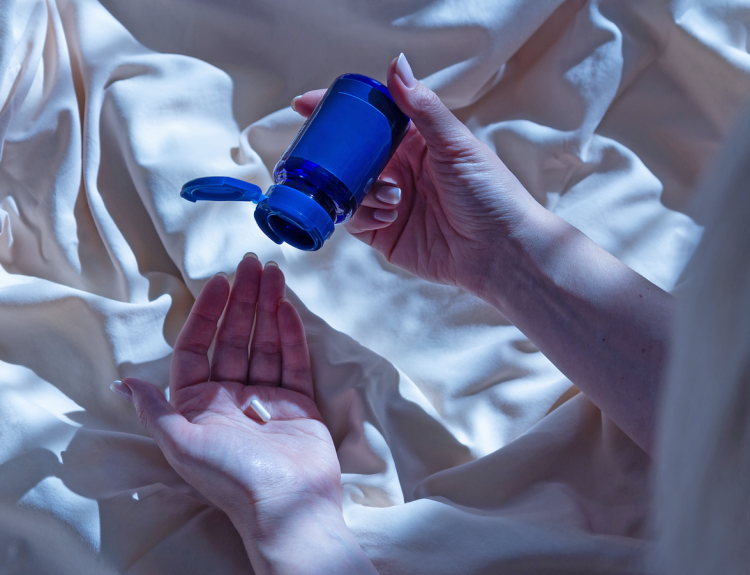
Understanding Creatine: Myths and Facts
Creatine is a well-researched nutritional supplement often clouded by misinformation. Here’s a breakdown of the biggest myths and the truths surrounding creatine, especially in the realms of muscle building and athletic performance.
Myth #1: Creatine is a Steroid
- Reality: Creatine is not a steroid. This confusion likely arose because both gained popularity during the same era in the 80s and 90s. Unlike steroids, which are synthetic drugs mimicking hormones like testosterone, creatine is a naturally occurring compound formed from amino acids present in foods like red meat and chicken. It becomes practical to use supplements to achieve the recommended daily amount, which is hard to meet through diet alone.
Myth #2: Creatine Causes Hair Loss
- Reality: This idea stems from a 2009 study suggesting creatine might increase dihydrotestosterone (DHT), a hormone linked to male-pattern baldness. However, this study did not measure actual hair loss. A more recent 2025 study found no significant differences in DHT levels or hair growth among participants taking creatine and those on a placebo, disproving the myth.
Summary
Despite myths, research consistently shows that creatine is safe and effective for building muscle and enhancing athletic performance. It’s essential to rely on well-conducted studies rather than anecdotal evidence to understand how supplements like creatine really work.