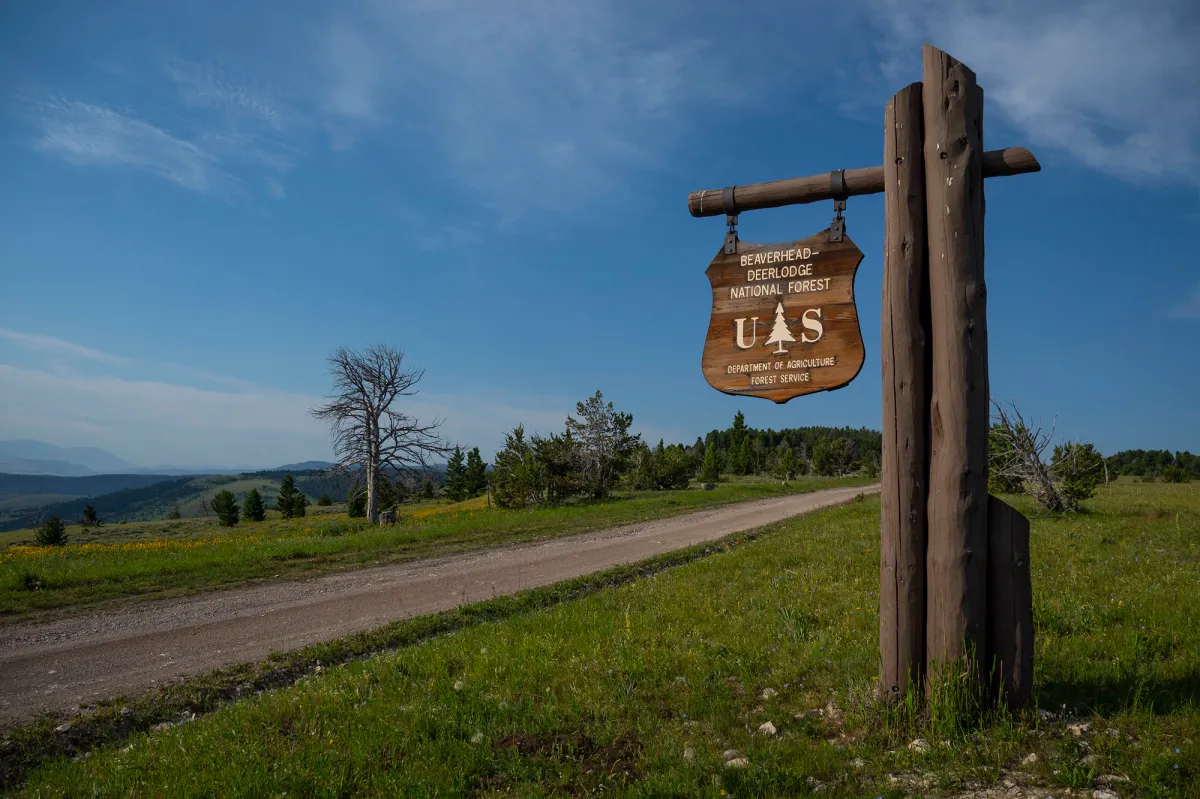
U.S. Forest Service Proposes Changes to Motorized Travel Regulations
The U.S. Forest Service has announced plans to potentially liberalize motorized travel regulations on approximately 380,000 miles of national forest roads and trails, primarily made up of gravel and two-track paths. The intent is to encourage more local decision-making regarding the types of motorized vehicles permitted on these public lands, with a notable emphasis on the increased allowance for e-bikes.
Key Points of the Announcement
-
Amendment to Travel Management Rule: The agency aims to amend the existing Travel Management Rule, which governs the use of motorized vehicles in the National Forest System. This change could facilitate more frequent local management decisions that increase access to forests for various motorized vehicles.
-
Details on E-Bikes: The proposed rule amendments specifically include provisions for the liberal use of e-bikes across the Forest Service’s road and trail network, which has been a growing area of interest among outdoor enthusiasts.
-
Background Context: This initiative follows the Forest Service’s controversial decision to revoke the Roadless Rule, which had restricted road construction and timber harvesting in largely protected areas for over 20 years.
-
Public Participation: Following the formal publication of the intent to prepare an Environmental Impact Statement (EIS) in the Federal Register, the public will have 30 days to submit comments regarding the proposed changes.
-
Simplifying Regulations: USDA officials, including Under Secretary Michael Boren, indicated that the current travel management framework creates barriers for public access and enjoyment of national forests. The changes aim to align regulations with the mission of the Forest Service while providing local leaders with tools to manage access more effectively.
Challenges and Concerns
-
Potential Local Decision-Making Issues: While the emphasis on local decision-making could empower forest managers, it raises questions about the criteria for these decisions and which barriers will potentially be removed.
-
Disability Access and Inclusion: It’s worth noting that the proposed changes will need to consider existing legislation that provides for access to routes for individuals using adaptive devices, ensuring compliance with the Americans With Disabilities Act.
-
Congressional Measures: An example of congressional interest in travel management is the Outdoor Americans with Disabilities Act, which advocates for designating accessible routes on public land, suggesting a push for greater inclusivity.
User Group Dynamics
Conflict among various user groups—such as motorized vehicle enthusiasts, hikers, and environmental advocates—has characterized discussions around travel management rules. Previous policies have historically facilitated shared access to trails without undermining the interests of diverse user groups, and revisions could lead to increased legal disputes over local decisions.
Conclusion
The proposed changes to the motorized travel regulations signify a shift towards greater access and utilization of national forests while raising questions about environmental stewardship, user conflict, and inclusivity. The upcoming EIS will likely elaborate on the specifics, including mechanisms for updating travel plans and maintaining existing designations until revised at the local level. The potential impact of this policy change will be closely monitored by various stakeholders, including advocacy groups that prioritize environmental protection and inclusivity in outdoor recreation.