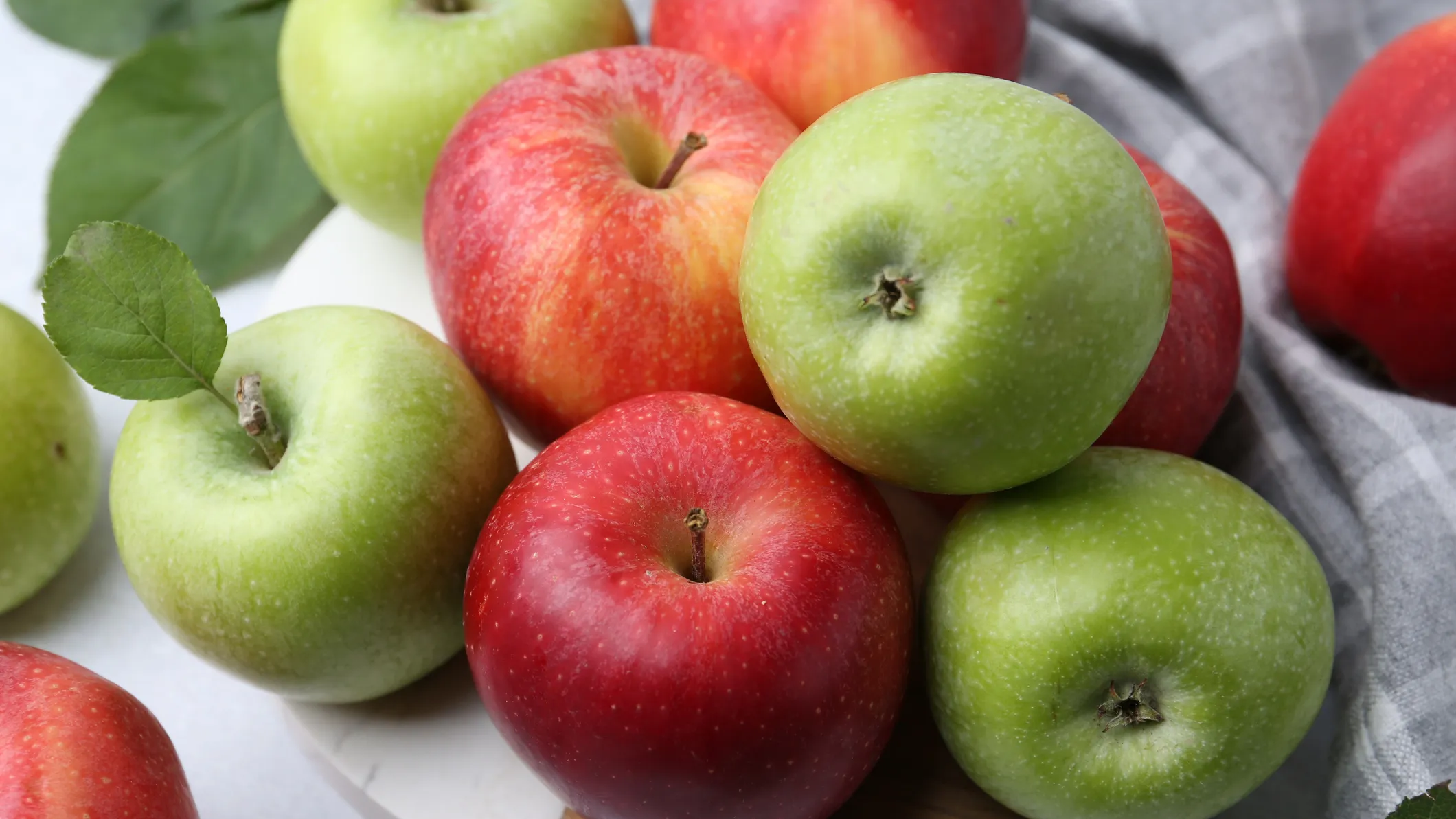
Here’s a summary of the differences between green and red apples, including their nutritional aspects and culinary uses:
Green Apples vs. Red Apples: Key Differences
-
Varieties and Taste:
- Green Apples (e.g., Granny Smith): Tart, firm texture, lower in sugar.
- Red Apples (e.g., Gala, Fuji): Sweeter, juicier, generally milder flavor.
-
Nutritional Differences:
- Both types offer similar nutritional benefits, including fiber, vitamin C, and antioxidants.
- Green apples contain less sugar and calories, making them preferable for low-sugar diets.
- Red apples have anthocyanins (antioxidants linked to heart and brain health); green apples have more chlorophyll, which may help reduce oxidative stress.
-
Culinary Uses:
- Green apples are ideal for baking and salads due to their ability to hold shape.
- Red apples are often used for fresh eating, juice, and applesauce.
Health Benefits
- Both types contribute to improved diet quality and reduced risk of chronic diseases when consumed regularly.
- They are good sources of fiber and various vitamins and minerals.
Recommendations
- Consume apples with the skin for maximum fiber and antioxidant benefits.
- Pair apples with protein or healthy fats for better blood sugar control, especially for individuals with diabetes.
In conclusion, the choice between green and red apples depends largely on personal preference, as their nutritional differences are minimal.