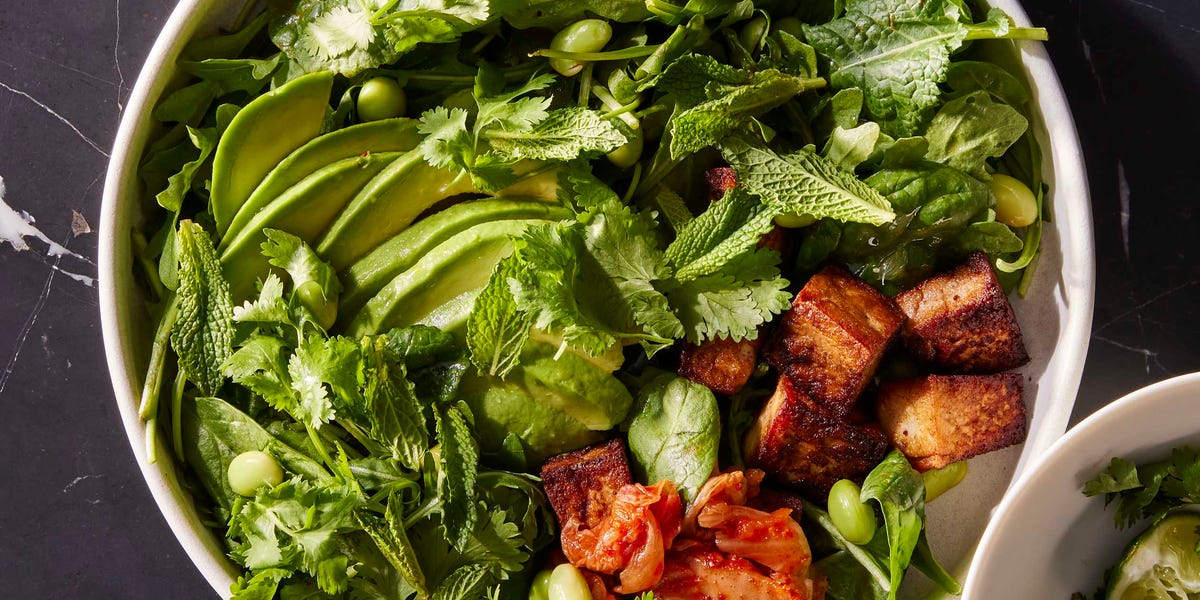
The Volumetrics Diet offers an enjoyable alternative to conventional dieting methods by allowing you to eat larger portions of certain foods, keeping you satisfied while still aiming to lose weight. This approach emphasizes foods that provide high volume for fewer calories, helping you maintain a necessary calorie deficit without feeling deprived.
What is the Volumetrics Diet?
Developed by nutrition expert Barbara Rolls, PhD, the Volumetrics Diet is designed to keep you feeling full while promoting lower overall calorie intake. By focusing on eating foods that are high in water and fiber, such as soups, vegetables, and fruits, you can enjoy satisfying meals without exceeding calorie goals.
How Does It Work?
The diet categorizes foods based on their calorie density—calories per gram of food. By prioritizing low-calorie-dense foods, you can feel full while naturally consuming fewer calories. Key food categories include:
- Category One (Low Density): High water content foods like berries, melon, and broths.
- Category Two (Moderate Density): Foods like lean meats, lentils, and quinoa.
- Category Three (Higher Density): Foods such as fatty meats and cheeses.
- Category Four (Highest Density): Items like nuts, oils, and sweets, which should be consumed sparingly.
Sample Daily Meal Plan
Breakfast: Vegetable omelette and fresh berries.
Lunch: Large salad with grilled chicken, chickpeas, and vegetable soup.
Snack: Greek yogurt with berries.
Dinner: Baked cod with brown rice and roasted vegetables.
Pros and Cons
Pros:
- No outright food restrictions.
- More sustainable than crash diets.
- Encourages healthy long-term eating habits.
Cons:
- May overlook the nutritional value of certain higher-calorie foods.
- Might not provide sufficient calories for highly active individuals.
Is It Worth Trying?
The Volumetrics Diet could be beneficial for those looking to lose weight without the stress of counting calories at every meal. It might be especially suitable for individuals ready to change their eating habits sustainably, although those with high energy needs or digestive sensitivities should approach it with caution. Ultimately, it focuses on satisfying foods with lower calorie density, making it easier to reduce caloric intake without feeling deprived.
Conclusion
As nutritionist Sonya Angelone says, it’s ideal for individuals seeking a lifestyle change rather than a quick fix. By filling your plate with the right foods, you can enjoy larger portions while effectively managing your weight.