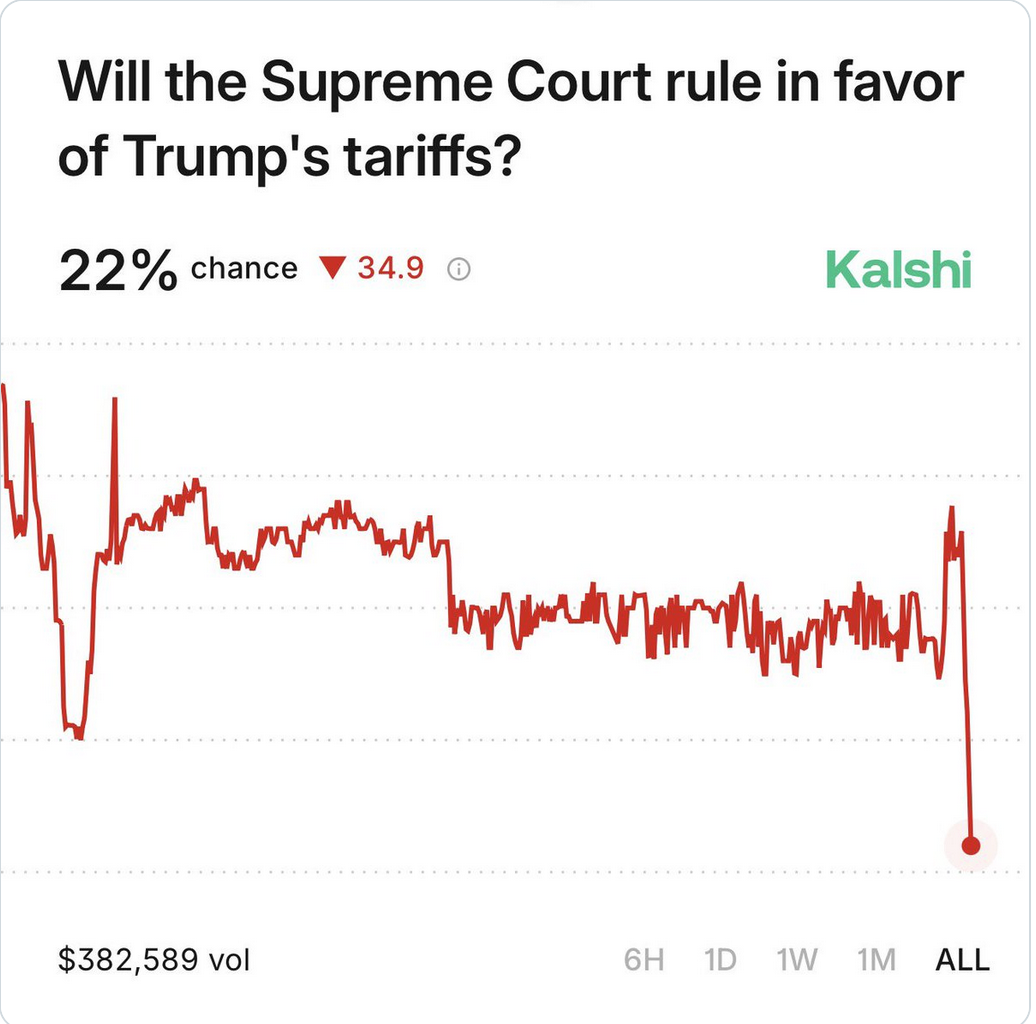
Unexpected Turns in Trump’s Tariff Case: Insights from the Supreme Court
Recent developments in the Supreme Court involving former President Trump’s tariff policies have stirred considerable discussion. During oral arguments on Wednesday, the Justices expressed serious doubts about Trump’s authority to implement tariffs under the International Emergency Economic Powers Act. This article outlines the potential consequences if the Court rules against Trump, which could have far-reaching implications for both his administration and the nation’s economy.
Current Situation
A summary of the legal challenge, as noted previously, includes:
- The lawsuits originated from U.S. importers and several states, contesting Trump’s invocation of the International Emergency Economic Powers Act (IEEPA) from 1977.
- They argued that the national emergencies cited—namely, the trade deficit and the fentanyl crisis—were not valid justifications for imposing tariffs.
- The Court of International Trade ruled that Trump had overstepped his authority, declaring the executive orders invalid as they contravened the law.
This ruling impacts a variety of tariffs, including the 10% tariffs placed on numerous countries, the proposed 50% tariffs on the EU, and several tariffs imposed on China. The legal basis of these tariffs was called into question by the court’s decisions stemming from two lawsuits filed: one by small businesses adversely affected by the tariffs, and another by twelve states, arguing that the tariffs hindered their ability to provide essential services.
Insights from the Supreme Court
The recent oral arguments highlighted skepticism among Supreme Court Justices regarding Trump’s utilization of the IEEPA. The key takeaways include:
- Several Justices questioned the legality of the IEEPA as it pertains to tariffs, emphasizing that the act does not specifically reference them.
- Only Justices Samuel Alito and Clarence Thomas appeared to support Trump’s authority in this context, while others seemed doubtful.
- Legal experts believe that if the Trump administration loses this case, it might choose to invoke alternative trade laws, though those options are limited in comparison.
Potential Consequences of a Supreme Court Defeat
Should the Supreme Court rule against Trump, several implications could unfold:
1. Weakened Foreign Policy
Trump’s use of tariff threats has been central to his foreign relations strategy. Historically, these threats have served as tools for negotiating trade deals, often leading to concessions from other nations. Loss of this leverage could significantly undermine his approach, forcing a reevaluation of how the U.S. engages with other countries, particularly allies.
2. Financial Fallout
The administration is already grappling with a considerable fiscal deficit. In FY 2025, the U.S. reported a $1.8 trillion deficit. Losing the revenue generated from tariffs, which amounts to approximately $90 billion, would exacerbate this issue, potentially leading to greater fiscal instability.
3. Refund Complications
There are uncertainties regarding potential refunds for those subject to unlawful tariffs. Legal experts suggest that only parties involved in the case may be eligible for reimbursement, leading to potential litigation and administrative challenges in processing claims. The possibility of extensive and prolonged disputes looms large.
Conclusion
The implications of the Supreme Court’s deliberations extend beyond legal boundaries. Depending on the Court’s ruling, the outcome could reshape Trump’s foreign policy, complicate fiscal management, and lead to a chaotic refund process. As these developments unfold, they warrant close examination for their potential impact on the economy and governance.