By Eileen Rodriguez
Weight-loss medications such as Ozempic, Wegovy, Mountjaro, and other GLP-1 drugs have gained immense popularity in the United States and worldwide.


These medications are transforming the lives of individuals dealing with diabetes and obesity, and they are also significantly altering dietary behaviors. Patients on these treatments report a marked decrease in appetite and increased feelings of fullness, which fundamentally changes their relationship with food, beverages, and grocery shopping.
Sally Lyons Wyatt, Chief Advisor for consumer goods and foodservice insights at data analytics firm Circana, forecasts that by 2030, households using GLP-1 medications are expected to increase from the current 23 percent to 35 percent of all food and beverage sales.
Positive Impact on Produce Consumption
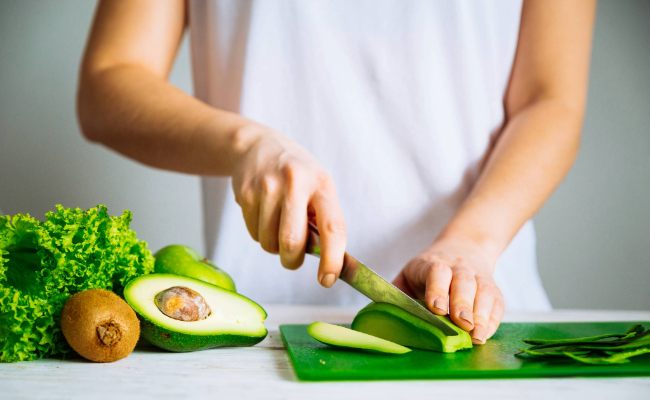
Lyons Wyatt notes that this trend is beneficial for the produce sector, as data indicates that individuals using these medications tend to purchase more fruits and vegetables.
Her research reveals that prior to starting GLP-1 therapy, individuals aiming to reduce their BMI are only three percent more likely to buy produce compared to others. However, after one year of treatment, that percentage rises to nearly five percent.
The encouraging aspect is that this shift in shopping behaviors does not solely rely on the medication, as preliminary data suggest that it continues even after the treatment stops.
This is largely due to the unpleasant side effects of GLP-1s that discourage overindulgence in items on the restricted list, like alcohol and spicy foods.
Conversely, patients begin to develop cravings for different food types.
The categories witnessing the most growth include vegetables, fresh citrus fruits, commonly consumed fruits like bananas, apples, and oranges, in addition to tropical fruits and root vegetables.

Convenience Reigns Supreme
The emphasis on convenience plays a crucial role in the new eating habits observed with GLP-1s. Reports indicate that patients are increasingly inclined to snack, opt for ready-to-eat salads, and purchase smoothies.
Smoothies, in particular, are highly favored for their convenience: they provide a nutritious meal without the need for chewing or taking a break to eat, easily allowing for portion control.
“Portion sizes will likely decrease both at home and when dining out, as it becomes difficult to consume large amounts,” says Lyons Wyatt.
The retail and broader food industry are keenly aware of these evolving trends and are adapting accordingly. For instance, the Dallas-based smoothie brand, Smoothie King is capitalizing on this trend by developing menus specifically designed for GLP-1 users.
The Circana expert believes other food brands will likely adopt similar strategies, calling it a savvy business move.
“Why not leverage this opportunity? If it can be done with minimal cost, and we’re aware that price increases are unwelcome, I encourage businesses to experiment,” she advises.
Related stories:
5 global shopping trends shaping the produce business in 2026
What’s next in food? Whole Foods Market shares 8 trend predictions for 2026
In summary, the rise of GLP-1 weight-loss medications is not only benefiting those looking to manage their weight and health but is also leading to significant changes in food preferences and shopping behaviors. The increased demand for fruits and vegetables, along with a focus on convenience, signals a shift in consumer habits that could have lasting effects on the food industry.


