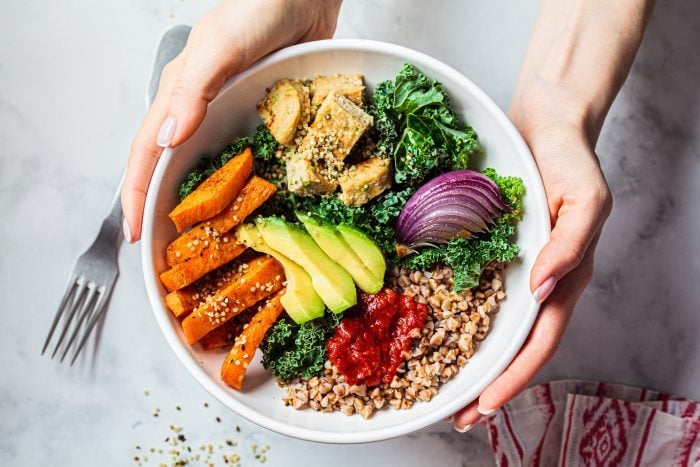
In today’s world, where grocery prices continue to soar and the complexities of daily life add to our stress levels, maintaining a healthy lifestyle can feel daunting. Many of us strive to balance exercise with nutritious meals to support our long-term health. However, if you identify as a vegetarian, even if you belong to the small percentage of Americans who strictly adhere to this diet, it may be time to examine your dietary choices more closely.
Recently, a study published in the medical journal npj Aging raised questions about the health benefits of vegetarian diets for individuals over 70. The findings suggest that a vegetarian lifestyle may not necessarily be the healthiest option for seniors, unless they are mindful of their overall nutrition.
Conducted by researchers at Fudan University in Shanghai, China, the study analyzed the dietary habits of 2,888 older adults to determine how their eating patterns affected overall health. The focus was on various types of vegetarian diets—including vegan, ovo-vegetarian (which includes eggs), and pesco-vegetarian (which includes fish and seafood)—and their impact on cognitive, physical, and mental well-being.
Participants in the study had an average age of 72 years, and the follow-up period spanned approximately six years. Remarkably, only 572 of the 2,888 participants met the criteria for “healthy aging” at the end of the study, meaning they did not suffer from major chronic diseases such as diabetes or high blood pressure and maintained their physical and cognitive functions.
The results indicated that those adhering to vegetarian diets were less likely to achieve healthy aging compared to their omnivore counterparts. Additionally, participants who had been vegetarian since turning 60 showed higher risks of chronic diseases and impairments in cognitive and physical function.
Notably, the quality of the diet played a significant role in these outcomes. Vegetarians who consumed high-quality diets, characterized by minimal nutrient gaps, experienced healthy aging comparable to omnivores. The study noted that nearly half of older adults did not meet the recommended dietary allowance for protein.
Based on these findings, researchers concluded that an optimal diet for older adults should include a combination of both plant and animal-based foods. They assert that their research is among the first to explore the relationship between vegetarian diets and overall health in healthy older adults.
If you follow a vegetarian regimen, it’s essential to consult with your healthcare provider to ensure your nutritional needs are being met. As highlighted by the Cleveland Clinic, vegetarians are at an increased risk for deficiencies in key nutrients such as vitamin B12, vitamin D, calcium, iron, and zinc. Adequate protein intake is also crucial. If left unaddressed, these deficiencies can lead to serious health issues, including anemia, osteoporosis, and even blindness, as noted in a 2022 article from the Journal of Preventive Medicine and Hygiene.
In conclusion, while a plant-based diet can be nourishing, it’s vital to ensure you’re obtaining sufficient nutrients for optimal health. A balanced approach may be key to thriving in your golden years.
For ongoing wellness insights, consider subscribing to the The Healthy by Reader’s Digest newsletter, and follow The Healthy on Facebook and Instagram. Keep reading:


