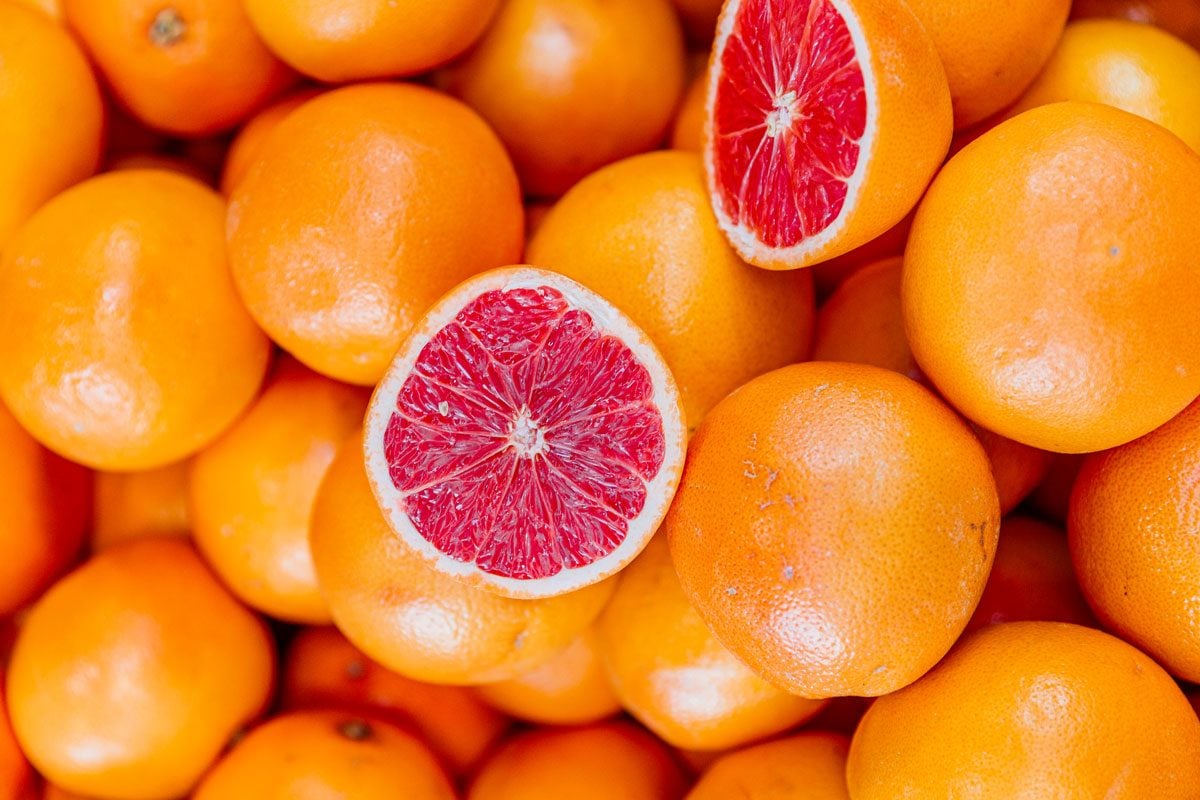
Grapefruit has long been in the spotlight for its potential health benefits, especially since the rise of the “grapefruit diet” in the 1930s, famously known as the Hollywood Diet. The Cleveland Clinic describes this diet as based on the belief that grapefruit possesses fat-burning enzymes. Although scientific evidence does not support this claim, many individuals experienced rapid weight loss, primarily due to severe calorie limitation.
In recent years, grapefruit’s popularity has waned. As noted by the University of Florida’s Institute of Food and Agricultural Sciences, the average American consumed merely 1.5 pounds of grapefruit in 2018, reflecting a dramatic 80% decline from the 8.2 pounds per person in the 1970s. This downturn is attributed to fading diet trends, rising prices, and growing awareness of grapefruit’s potential interactions with certain medications, according to the U.S. Department of Agriculture (USDA). Personally, I had also stepped away from grapefruit despite recognizing its nutritional benefits.
However, grapefruit still boasts significant health advantages. It is packed with vitamin C, fiber, potassium, and antioxidants such as lycopene and flavonoids, which contribute to immune support, heart health, hydration, and skin health. With my background in family medicine and national nutrition certification, I made the decision to revisit this citrus fruit. I purchased a bag of red grapefruit from my local grocery store, pledging to eat one every morning for a week.
In this article, I will recount my experience and share vital information about grapefruit’s benefits, potential side effects, and who should avoid it, along with insights from registered dietitian Lauren Sullivan, RD, at the Cleveland Clinic.
Grapefruit Nutritional Value
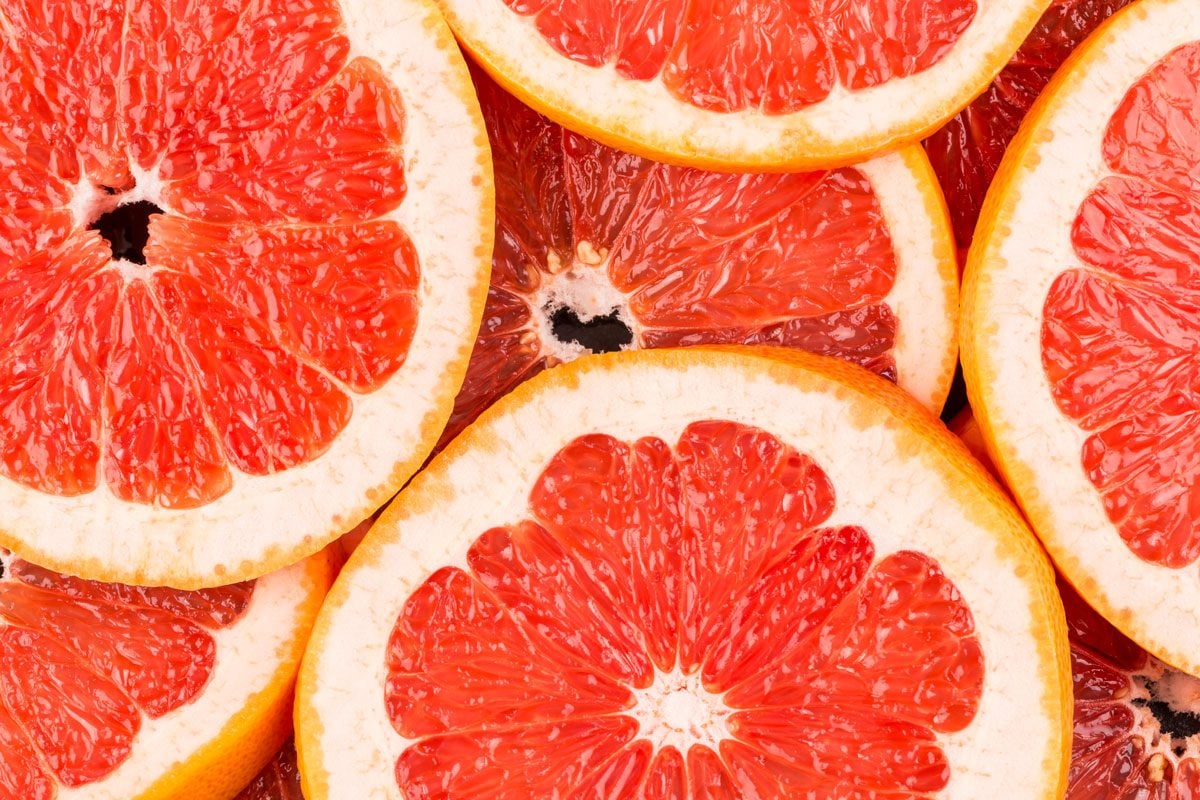
A medium grapefruit offers a low-calorie option packed with essential nutrients essential for immune function, hydration, and heart health. Here’s the nutritional breakdown for half of a medium red (pink) grapefruit (a standard serving), as reported by the USDA:
- Calories: 52
- Vitamin C: 38.4 milligrams—approximately 50% of the daily recommended intake
- Fiber: 1.97 grams
- Vitamin A: 71.3 micrograms
- Potassium: 166 milligrams, aiding blood pressure regulation
- Water content: 108 grams
Grapefruit is also rich in antioxidants like lycopene, beta carotene, and flavonoids such as naringin, which help combat inflammation and oxidative stress, as discussed in a Food and Chemical Toxicology review. Additionally, it provides small amounts of B vitamins like thiamin and folate while being naturally free of fat, cholesterol, and sodium.
The whole grapefruit has a low glycemic index of around 25, according to WebMD, indicating a minimal impact on blood sugar levels.
Grapefruit Benefits
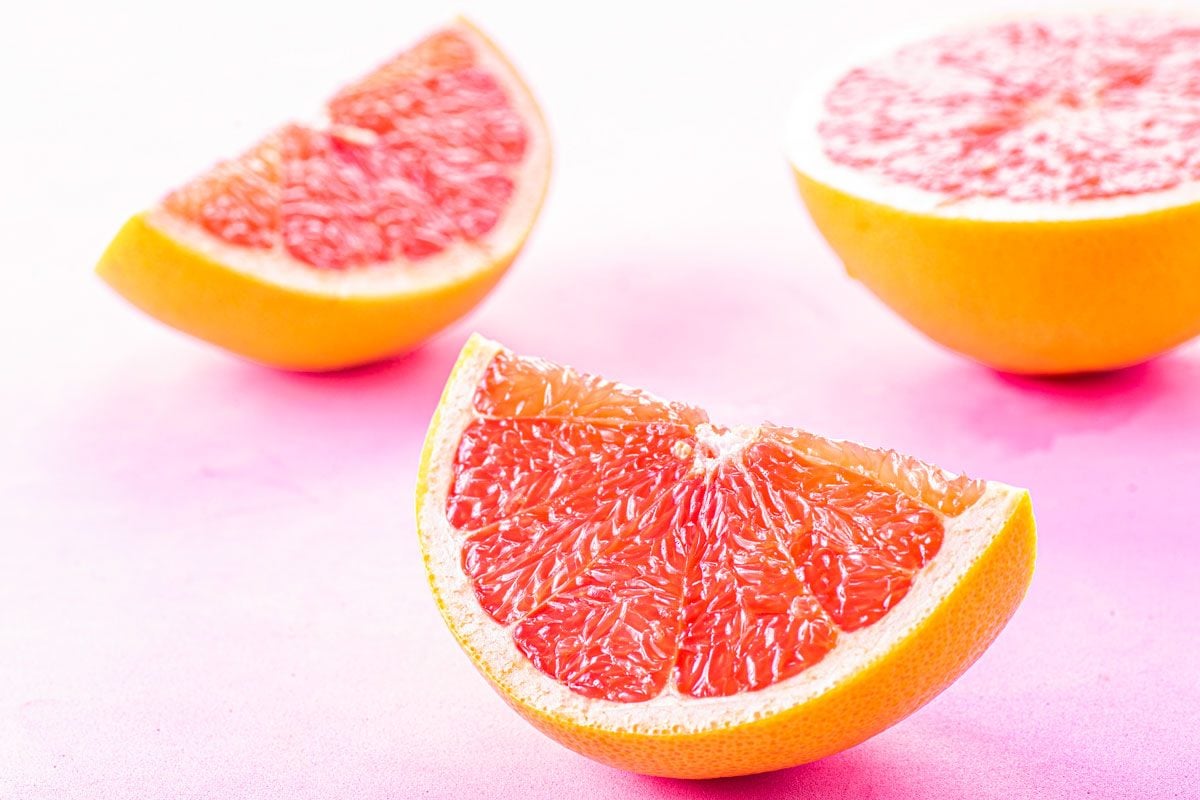
Incorporating grapefruit into your diet can lead to numerous health benefits, as highlighted by various academic sources:
- Weight management: Its high water and fiber content can enhance feelings of fullness, thereby reducing overall calorie intake.
- Blood sugar regulation: Its low glycemic index and fiber work together to minimize blood sugar spikes after meals.
- Immune support: Rich in vitamin C, grapefruit promotes immune function and reduces inflammation.
- Heart health: It may help decrease LDL (bad) cholesterol and blood pressure levels.
- Hydration and skin health: Antioxidants like vitamin C encourage collagen production and skin repair, while grapefruit’s water content aids in hydration.
Who Should Avoid Grapefruit?
A critical factor to consider when consuming grapefruit daily is its potential to interact with certain medications. This discovery was made serendipitously in the 1980s and has since been validated through extensive clinical research.
The U.S. Food and Drug Administration (FDA) states that grapefruit and grapefruit juice can inhibit an enzyme in the small intestine known as CYP3A4. This enzyme plays a crucial role in metabolizing numerous oral medications. When grapefruit obstructs CYP3A4, it may lead to excessive amounts of the drug entering your bloodstream, resulting in heightened risks of adverse effects or toxicity.
As a result, the FDA mandates warning labels on many prescription and over-the-counter drugs. A 2012 study conducted by Canadian researchers identified over 85 medications that might interact with grapefruit. Some commonly known medications include:
- Statins for lowering cholesterol (e.g., simvastatin, atorvastatin)
- Blood pressure medications, especially calcium channel blockers (e.g., nifedipine)
- Anti-anxiety medications (e.g., buspirone)
- Corticosteroids for conditions like Crohn’s disease (e.g., budesonide)
- Immunosuppressants post-organ transplant (e.g., cyclosporine)
- Allergy medications (e.g., fexofenadine/Allegra)
If you are on any prescription medications, it’s crucial to consult your healthcare provider or pharmacist regarding grapefruit’s safety for you.
Are There Any Side Effects to Eating Grapefruit Every Day?
For most individuals, consuming grapefruit in moderation is safe. However, here are some potential side effects to consider:
- Acid reflux or heartburn: The high acidity may provoke reflux in individuals with GERD or sensitive stomachs, particularly on an empty stomach.
- Mouth irritation or canker sores: Some might experience discomfort in the mouth or tongue, especially if they have small cuts or ulcers.
- Tooth enamel erosion: Citrus acids may weaken enamel over time. It’s advisable to rinse your mouth afterward and wait at least 30 minutes before brushing your teeth.
- Digestive discomfort: Rarely, grapefruit may cause bloating or diarrhea, mainly if your system isn’t accustomed to acidic fruits.
My Daily Grapefruit Experience

For a week, I began each day by eating half to a whole red grapefruit. I kept it simple—no added sugar, just fresh grapefruit, sectioned using a spoon. Some days, I accompanied it with protein sources like Greek yogurt or a handful of nuts to balance the acidity, while on others, I consumed it alone to evaluate its effects more accurately.
I aimed to determine if incorporating grapefruit into my breakfast could enhance hydration, support appetite control, and provide the praised benefits I had read about. By the week’s conclusion, I experienced unexpected outcomes.
The Taste: A Mixed Experience
Initially, I appreciated grapefruit’s bright and citrusy flavor; it seemed like the perfect food to wake up to—refreshing, hydrating, and delightfully tart, invigorating my senses after a night’s sleep. It quickly rehydrated me, which felt great.
However, by the fourth day, the routine began to lose its appeal. The acidity, once manageable, started to feel overwhelming. I found myself longing for a break, missing the diversity of other fruits. For those sensitive to acidic foods or prone to heartburn, it’s vital to recognize that grapefruit can worsen these symptoms. If that’s your situation, consider pairing it with a more neutral food or having it every few days instead of daily.
Appetite Control Benefits

One of the most pronounced benefits I noticed was grapefruit’s ability to control my appetite. Thanks to its high fiber and water content, I felt satisfied quickly and needed less food at breakfast to fill me up.
Research supports this experience.
A 12-week trial published in the Journal of Medicinal Food involved 91 participants, revealing that those who consumed half a grapefruit before each meal lost significantly more weight than those who didn’t. The grapefruit group lost an average of 1.6 kilograms (about 3.5 pounds), compared to only 0.3 kg in the control group. Even participants consuming grapefruit juice or capsules experienced weight loss, indicating that grapefruit’s components may facilitate appetite and metabolic regulation.
According to registered dietitian Sullivan, this is likely because grapefruit consists of approximately 88% water. When eaten before meals, it acts as a “preload”—a nutritional strategy involving a high-volume, low-calorie food that fills the stomach and signals early fullness to the brain, potentially reducing overall calorie consumption.
Skin Improvement
I also noticed unexpected improvements in my skin. By the end of the week, my complexion appeared brighter and more hydrated, and I can’t help but attribute part of this to grapefruit’s impressive nutrient profile.
Registered dietitian Sullivan states that grapefruit is an exceptional source of vitamin C, a potent antioxidant necessary for collagen production. Collagen is crucial for maintaining skin elasticity and aiding the skin’s natural repair mechanisms.
Research published in the peer-reviewed journal Nutrients further indicates that enhancing vitamin C intake through diet may help reduction of aging signs, hyperpigmentation, and dullness. With grapefruit being about 90% water, it may also have provided a subtle hydration boost from within.
Of course, it’s essential to recognize that this glowing skin is not solely due to grapefruit. I was also ensuring adequate sleep, consuming plenty of veggies, and staying well-hydrated throughout the week.
Will I Continue Eating Grapefruit Daily?
While my experience was predominantly positive, I won’t be eating grapefruit every morning.
The hydration benefits, appetite control, and slight skin radiance were certainly welcome. However, as the week progressed, I missed the variety in my diet, and the acidity became a bit burdensome. That said, I will certainly keep grapefruit in my diet for those moments when I crave something light, refreshing, and nutrient-rich.
So, should you eat grapefruit daily? If you enjoy it and do not take medications that may interact with it, grapefruit can be an excellent addition to your diet. Just remember not to overindulge. As Sullivan suggests: “Grapefruit is valuable to include in your diet, but don’t center your entire meal plan around it.”
If you’re considering incorporating grapefruit into your routine, start with half a fruit and pair it with a protein source or healthy fat to mitigate acidity. If you’re curious about its possible weight loss perks, think about consuming it before meals to assist with appetite control.
For regular wellness updates, subscribe to The Healthy by Reader’s Digest newsletter and follow The Healthy on Facebook and Instagram. Keep reading: