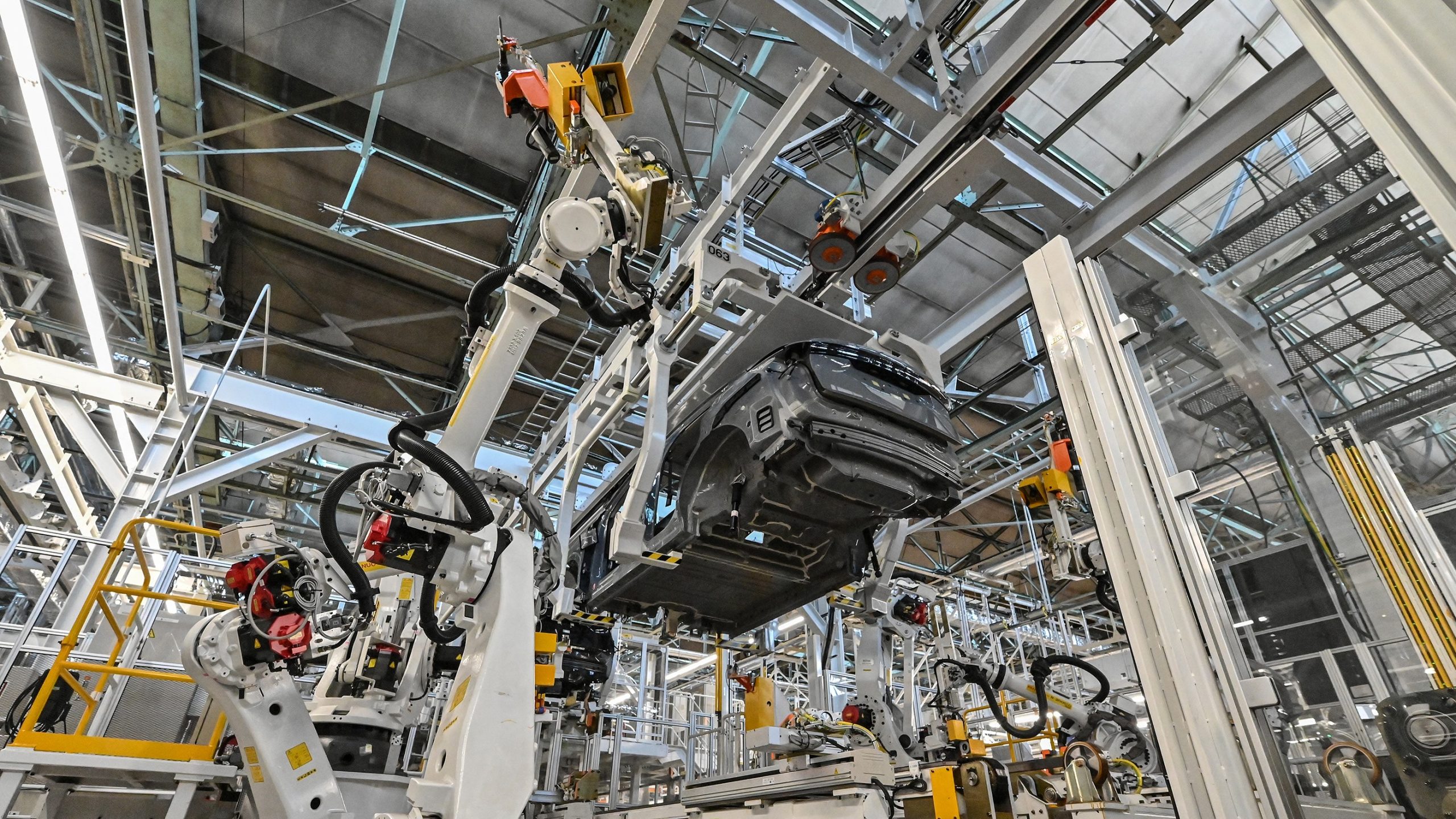
The article discusses the changing dynamics of manufacturing site selection, highlighting a shift from labor cost as the primary factor to the capacity for automation. For decades, multinationals sought the lowest wages, leading them to countries like China, and later to emerging markets. However, as wages in these regions have increased, automation has become more crucial.
Key points include:
- Shift in Focus: The cost of labor is now less significant than the ability to automate production processes.
- Demographic Trends: Countries with aging populations, such as South Korea and Japan, lead in automation due to their diminished workforce.
- Example of Japan: Japanese taxi services are adopting driverless technology due to an aging driver demographic.
- Global Automation: Even in low-wage countries, automation is rising. For instance, India is utilizing garment workers to train AI.
- Policy Changes: Governments are shifting focus from tax incentives to skills training to attract businesses.
- Emerging Classification: The Asian Development Bank’s new “Advanced Asia” category recognizes countries adapting smart manufacturing practices, signaling a broader shift away from labor arbitrage.
In summary, the article argues that successful manufacturing site selection will increasingly rely on assessments of human capital and automation capabilities, rather than simply labor costs.