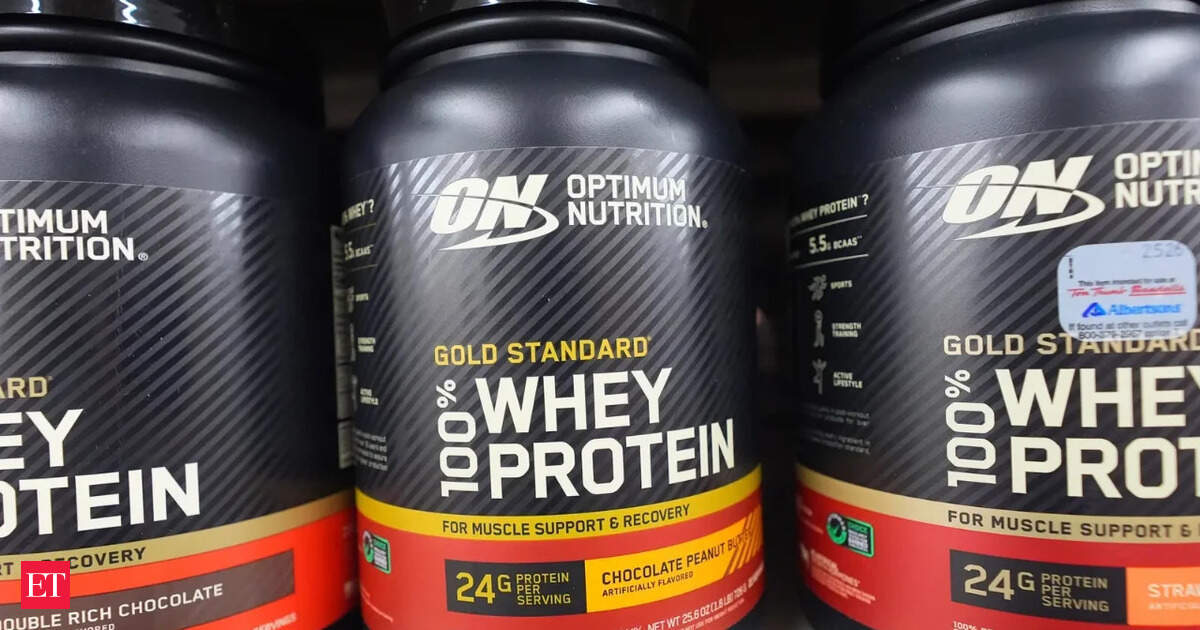
The Surge in Whey Protein Demand
Whey protein, once viewed merely as a byproduct of cheesemaking, has now gained immense popularity, fueled by high-protein diets prominently featured on social media. This trend is significantly transforming the American dairy industry.
Widespread Availability
Previously sold mainly as a powder or in protein bars, whey protein can now be found in various products such as breakfast cereals, bagels, pretzels, and even instant noodles. Major brands like Frito-Lay and Starbucks have introduced whey-enhanced products, showcasing a growing consumer interest.
Carly Rowcotsky, a 25-year-old architectural design coordinator, notes that whey is no longer just for athletes; it’s now common for everyday people. For her, whey protein serves as a convenient supplement to support her active lifestyle.
The Drivers of Demand
Chuck Nicholson, a professor at Penn State, cites several factors driving this protein craze. Social media trends highlight protein as a healthy alternative, with concepts like “protein-maxxing” gaining traction. Furthermore, weight loss medications such as Wegovy and Ozempic recommend increasing protein intake to maintain muscle mass, further boosting demand.
The US government has also adjusted its nutritional guidelines, advocating for higher daily protein intake, reflecting societal shifts in dietary perspectives.
Challenges in Supply
Despite the growing demand, the dairy industry is facing supply constraints. The production of whey is inherently tied to cheesemaking, and the specialized equipment required to process whey into high-protein products presents additional challenges.
Industry investments have surged, with dairy companies putting $13 billion towards enhancing capacity and technology to meet this demand.
Economic Impact
Prices for whey protein have skyrocketed, with costs increasing by about 40% recently, and high-concentrate whey protein rising 150% in price. This price surge is benefiting cheesemakers, as they find whey’s profitability increasingly attractive compared to cheese.
However, experts caution that cheese production still dominates the industry, raising questions about whether the market will shift towards prioritizing whey over cheese.