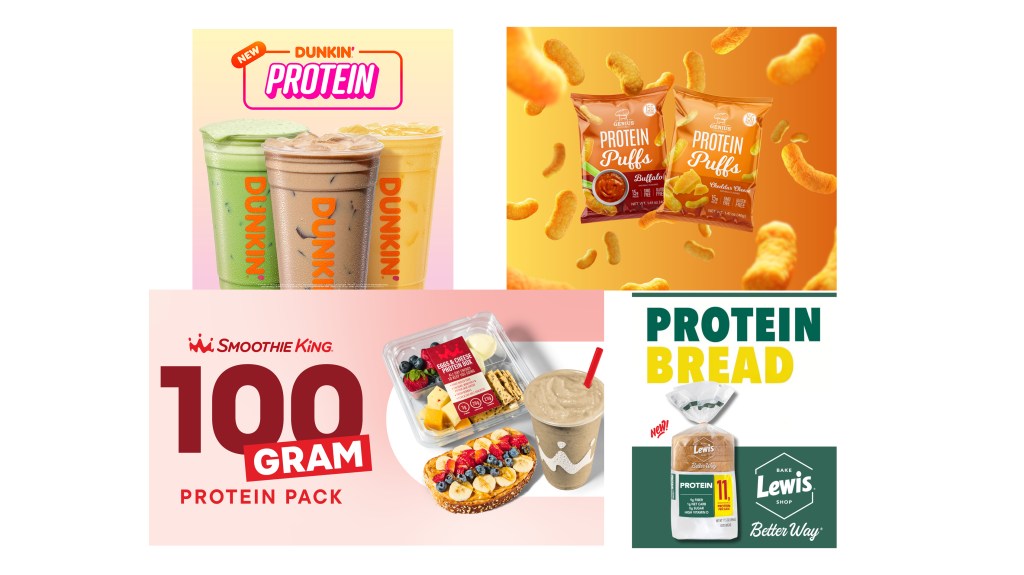
In recent times, protein has garnered significant attention, especially with new federal guidelines recommending an increased daily intake. From protein-infused coffee to enhanced Pop-Tarts, food products are now prominently featuring this essential nutrient.
Nutrition experts in the Denver area emphasize that while increasing protein consumption is vital for overall health, it’s crucial to select quality sources and ensure that healthy carbohydrates and fats are not neglected in the process.
According to data from the U.S. Department of Agriculture, the average American diet in 2020 already met the revised protein recommendations.
The latest federal nutrition guidelines, released in early January, have raised the baseline protein intake recommendations by as much as 50% to 100% above previous levels.
U.S. Health and Human Services Secretary Robert F. Kennedy Jr. introduced a revised food pyramid, placing greater emphasis on foods such as beef and full-fat dairy. This change marks a shift from the previously adopted model plate that balanced produce, protein, and whole grains, introduced about 15 years ago.
Jessica Crandall, a registered dietitian nutritionist at HCA HealthOne Rose, noted that the earlier protein guidelines served merely as a minimum requirement to stave off malnutrition. Thus, increasing these recommendations was a necessary adjustment.
Crandall generally suggests daily protein intake of 60 to 80 grams for women and 80 to 100 grams for men. For reference, a three-ounce serving of ground beef contains around 22 grams of protein, while a skinless chicken breast has about 18 grams, and 6 ounces of Greek yogurt provides between 15 to 17 grams, as noted by Washington University in St. Louis.
The appropriate protein intake varies per individual, influenced by factors such as body weight, age, activity level, and health conditions. Some health issues may demand a higher protein consumption, while others may require reductions, according to Crandall.
According to the International Food Information Council’s 2024 Food and Health survey, approximately 71% of Americans are actively trying to boost their protein intake, an increase from 59% in 2022. Moreover, one in five individuals reported specifically adhering to a “high-protein” diet, surpassing the popularity of calorie counting, low-carb, or Mediterranean dietary plans.
While nutrition professionals have long recognized protein’s significance for muscle health and the immune system, the public’s perception has rapidly evolved. Kelly Elliot, a registered dietitian nutritionist at Saint Joseph Hospital, remarked, “It’s fascinating to see how marketing influences public perception and vice versa.”
Protein shakes and bars have been popular among fitness enthusiasts for some time. However, mainstream food brands are now also joining the trend. Snickers and Pop-Tarts have released higher-protein versions, while Thomas’ bagels now feature protein content prominently on their packaging. Starbucks and Dunkin’ Donuts have also introduced whey protein-enhanced beverages, and Chipotle now offers a “protein cup” of chicken alongside a chicken taco, designed to provide a balanced mix of protein, fat, and carbs similar to a protein bar, according to Stephanie Perdue, Chipotle’s interim chief marketing officer.
“We’ve noticed an increasing demand for protein-rich choices across various occasions, particularly in snack-sized servings at affordable prices,” she stated. “We plan to maintain this focus into 2026, with our culinary team driving innovation based on customer preferences and emerging trends.”
As more individuals recognize the need to up their protein intake, despite many Americans already achieving their protein goals, food manufacturers are creatively incorporating protein into unexpected products like pretzels, chips, and even bottled water. William Hallman, a psychologist at Rutgers University who studies consumer perceptions surrounding food, highlighted how the emphasis on protein creates a “health halo” around products, leading consumers to perceive them as healthier, even if added sugars and fats are utilized to mask the taste of protein powder.
“Consumers often assume these products are better for them, which is a concern,” Hallman noted.
Brands typically showcase the positive attributes of their products; however, not every high-protein option is beneficial, according to Elliot. Consumers should also evaluate factors such as sugar and saturated fat levels, as well as the presence of additives.
The new nutrition guidelines also caution the public against added sugars and highly processed foods, reiterating previous advice to limit saturated fat to prevent heart disease.
“Many protein bars are essentially glorified candy bars,” she pointed out.
While the updated nutrition guidelines may motivate more products to jump on the protein bandwagon, food companies will eventually have to weigh the cost-effectiveness of fortifying their offerings in an increasingly competitive market, Hallman cautioned.
“At some point, consumers will realize they are already consuming enough protein,” he observed.
Most individuals can meet their protein needs by ensuring a reliable source of protein is included in each meal, accompanied by fruits, vegetables, and whole grains, Crandall advised. Though meat is often the first source associated with protein, other alternatives like eggs, dairy products, seafood, nuts, seeds, and beans contain less saturated fat and are equally nutritious.
“Protein is just one part of a balanced diet,” she remarked.
For most people, consuming more protein than necessary is unlikely to cause health issues, though it could worsen conditions like kidney or liver disease. The real concern is that people may neglect foods rich in fiber, vitamins, and minerals that are also essential for health. Crandall emphasized, “When we become overly fixated on one nutrient, we risk missing out on other vital nutrients.”
Sign up for our weekly newsletter to get health news sent straight to your inbox.


