About the Experts
|
Key Points
|
Many Americans actively avoid seed oils like soybean oil, with nearly 30% citing concerns according to a 2025 report from the International Food Information Council. This report reveals widespread confusion among consumers, who often base their opinions on anecdotal evidence from friends and social media rather than on nutritional science.
For example, various critics, including health secretary Robert F. Kennedy Jr. and wellness influencers, label soybean and other seed oils as “The Hateful Eight,” arguing that these oils contribute to chronic diseases. However, a 2024 study published in Communications Earth & Environment highlights a significant gap between popular online discourse and scientific research regarding these cooking oils.
What Is Soybean Oil?
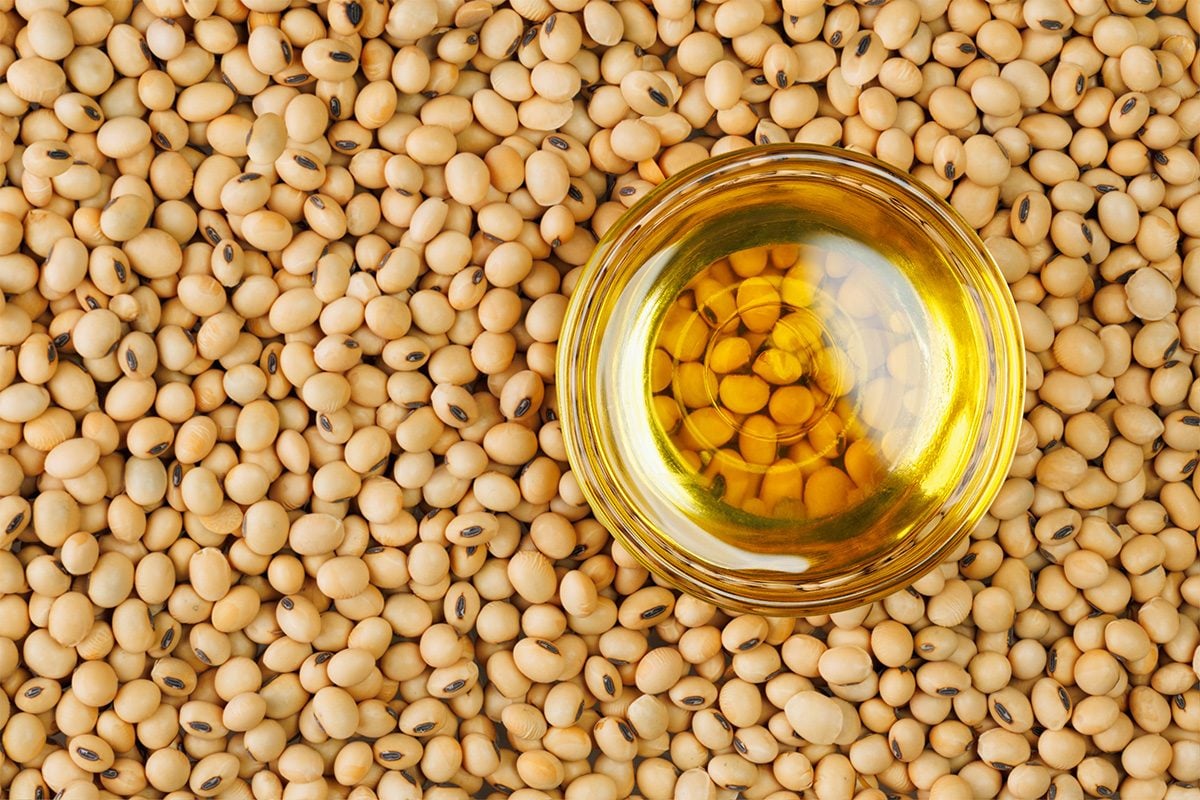
If you have a bottle of vegetable oil in your pantry, it’s likely soybean oil, which is the primary ingredient in most vegetable oil blends.
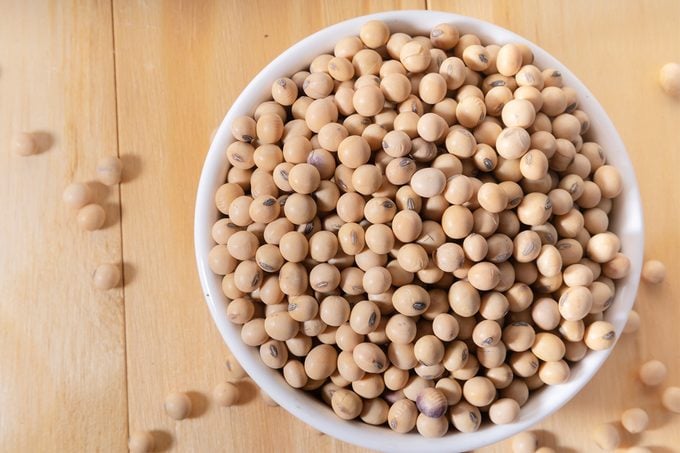
As the most prevalent vegetable oil in the U.S. food supply, according to Sandra Zhang, MS, RDN, LDN, a registered dietitian nutritionist and pediatric dietitian at Tufts Medical Center, soybean oil appears in numerous products, including salad dressings, cookies, potato chips, baked goods, and granola bars.
Some critics raise concerns about soybean oil’s high omega-6 fatty acid content. “Research suggesting inflammatory properties of omega-6 has mainly been conducted on animal models,” Zhang reports. Yet, the American Heart Association dismisses these claims as misleading, endorsing omega-6 fatty acids as part of a balanced diet.
Since soybean oil is a common ingredient, nutritionists clarify the facts surrounding this ubiquitous oil.
How Is Soybean Oil Made?
Given soybean oil’s presence in many packaged foods, it’s notable that soybeans rank as the second-largest crop in the U.S., according to the U.S. Department of Agriculture. But how are soybeans transformed into oil?
Soybeans are harvested from green pods that typically contain three green soybeans. They are ready for harvest when the pod dries and turns brown, and the soybeans rattle inside when shaken, explains Alberta Pulse Growers.
Post-harvest, soybeans undergo processing. According to U.S. Soy, the beans are cleaned, dried, cracked, and de-hulled before being heated and rolled into flakes.
A solvent wash extracts the oil from these flakes, which are then refined, bleached, and deodorized, making them suitable for various purposes—including cooking oil, packaged foods, biofuels, pharmaceuticals, and even paints.
No part goes to waste; the leftover flakes are often used as protein sources in pet food and animal feed.
Why Do People Use Soybean Oil?
With its neutral flavor, soybean oil complements rather than dominates the ingredients of a dish.
Smoke points are also critical in selecting cooking oils. Oils with lower smoke points can burn easily at high temperatures, leading to the formation of harmful free radicals, which may result in oxidative stress.
“Soybean oil boasts a high smoke point, making it versatile for various cooking methods,” states Kristen Smith, MS, RD, LD, a registered dietitian and spokesperson for the Academy of Nutrition and Dietetics.
Soybean oil has a smoke point of 450 degrees Fahrenheit. In comparison, canola oil has a smoke point of 400 degrees Fahrenheit, while extra virgin olive oil’s smoke point is 331 degrees Fahrenheit.
Soybean Oil’s Nutrition Profile
Here’s the nutritional content of one tablespoon of soybean oil, based on information from FoodData Central:
- Calories: 120
- Total fat: 13.6 g
- Saturated fat: 2.12 g
- Polyunsaturated fat: 7.85 g
- Monounsaturated fat: 3.1 g
- Vitamin K: 25 mcg
- Vitamin E: 1.1 mg
Soybean Oil Offers a Healthy Dose of Vitamin K
Vitamin K is crucial for synthesizing proteins necessary for blood clotting and healing wounds. It also contributes significantly to bone health by regulating metabolism and maintaining bone mass.
Although vitamin K deficiency is uncommon, analyses reveal that only about one-third of Americans meet the Adequate Intake (AI) recommendations of 120 mcg for adult males and 90 mcg for adult females. The National Institutes of Health (NIH) indicates that the implications of low dietary intake among Americans remain uncertain.
Nevertheless, several studies validate the significance of incorporating more vitamin K into your diet:
- A 2023 review published in Food & Nutrition Research established a correlation between low vitamin K intake and an increased risk of heart disease.
- Research from 2024 published in Frontiers in Medicine associates meeting AI recommendations with a decreased risk of osteoporosis and bone degradation for individuals over 50, especially women.
- In 2024 research published in Frontiers in Nutrition, a higher intake of dietary vitamin K may be linked to improved brain health.
Soybean Oil is a Good Source of Vitamin E
Zhang points out that soybean oil is also rich in vitamin E, a potent antioxidant that combats harmful free radicals linked to disease. Although vitamin E deficiency is rare, the NIH has found that many Americans do not meet the Recommended Dietary Allowance (RDA) for vitamin E. Low-fat diets often restrict sufficient intake of this vital nutrient.
Vitamin E deficiency usually does not present with obvious symptoms, according to the NIH. However, adequate intake of this antioxidant can yield noteworthy health benefits:
- Higher dietary vitamin E intake is linked to a reduced risk of heart disease.
- Vitamin E may have protective benefits against cancer.
- Increased vitamin E intake is associated with a 20% reduction in the risk of age-related macular degeneration, a leading cause of vision loss in older adults.
- Dietary vitamin E may help mitigate cognitive decline associated with aging.
Soybean Oil is Rich in Healthy Fats
Oils typically contain a combination of beneficial and harmful fats.
“All oils comprise different types of fat structures, somewhat like family members that are related yet distinct,” explains Julie Stefanski, MEd, RD, LDN, FAND, a registered dietitian and spokesperson for the Academy of Nutrition and Dietetics.
“Soybean oil primarily consists of unsaturated fatty acids,” says Zhang, making it a healthy alternative to options higher in saturated fats like palm oil, margarine, or butter.
Referring to research in the journal Nutrition, Metabolism, and Cardiovascular Diseases, Smith notes that studies have revealed benefits for heart health when saturated and trans fats are replaced with polyunsaturated and monounsaturated fats. Specifically, linoleic acid—found in soybean oil—can lower bad cholesterol, significantly reducing the risk of coronary heart disease mortality, according to the research.
Linoleic acid is an essential omega-6 fatty acid, meaning our bodies cannot synthesize it. However, research shows that Americans typically consume ample omega-6 fats. “Most of the fat in American diets comes from soybean oil, often paired with high-carbohydrate foods like baked goods, fried items, and snacks,” notes Stefanski.
Soybean Oil Contains a Heart-Protective Fat
Oleic acid, a monounsaturated fat in soybean oil, has been recognized by the U.S. Food and Drug Administration (FDA) as having evidence suggesting that high oleic acid oils may lower the risk of coronary heart disease.
If food manufacturers meet FDA requirements, they can label products with this claim:
“Supportive but not conclusive scientific evidence suggests that consuming about 1.5 tablespoons (20 grams) of oils rich in oleic acid, when used to replace fats and oils higher in saturated fat, could reduce the risk of coronary heart disease. To achieve this potential benefit, these oils should not increase total calorie intake in your diet.”
Follow-up research confirms this assertion—and additionally suggests that oleic acid:
- Demonstrates antioxidant and anti-inflammatory properties.
- Helps maintain healthy cholesterol levels.
- May assist in regulating blood pressure.
It is crucial that soybean oil serves as a replacement for other saturated fats, rather than merely increasing overall caloric intake.
“With any fat, keep in mind that soybean oil adds significant calories when consumed in excess,” cautions Smith. The 1.5 tablespoons mentioned in the health claim account for 180 calories.
What’s the Controversy Surrounding Omega-6 in Soybean Oil?
Much of the skepticism surrounding soybean oil stems from its high omega-6 content, a polyunsaturated fat.
Omega-6 and omega-3 are essential fatty acids, meaning they are vital for numerous bodily functions and must be acquired through our diets. Soybean oil contains both, though it has significantly more omega-6 compared to omega-3.
“Certain theories propose that an imbalance between omega-6 and omega-3 fats in Western diets contributes to inflammation,” says Stefanski. “Recent research [published in Circulation], however, has not fully substantiated the claim that omega-6 is inflammatory.”
The AHA asserts that omega-6 fats are “unfairly demonized” since omega-3 fatty acids display stronger anti-inflammatory characteristics; however, omega-6 fats remain necessary for well-being. It’s the imbalance, with typical American diets being low in omega-3 and high in omega-6, that raises concerns.
Researchers maintain that a balanced omega-6 to omega-3 ratio is essential for optimal health. While the ideal balance remains debated, earlier studies have recommended a 5:1 ratio; however, the average American diet has an approximately 20:1 ratio favoring omega-6.
A significant portion of dietary omega-6 comes from unhealthy sources like snack foods and fast food. “Generally, soybean oil can fit into a healthy diet,” states Zhang. “However, fast-food chains and packaged food companies often use soybean oil due to its affordability and versatility.” The health risks are more closely tied to consuming highly processed foods rather than to soybean oil itself.
Opting for nutritious sources of omega-6, like walnuts, peanut butter, eggs, and tofu, is more beneficial than relying on processed foods containing soybean oil, often loaded with sugars, salts, and unhealthy fats.
Potential Harms of Soybean Oil According to Research
A 2020 study in the journal Endocrinology linked soybean oil consumption to genetic changes in the brain, though this study involved male mice and may not correlate directly to human health.
Further studies have indicated potential negative effects of soybean oil consumption. A 2023 study published in Gut Microbes suggests excessive linoleic acid intake may be linked to inflammatory bowel disease (IBD). Another study from 2024 published in Microorganisms examined the effects of fried soybean oil on the gut microbiome.
Nonetheless, both studies involved strict soybean oil diets, which may not reflect the typical human diet.
Moreover, it’s crucial to note that regular soybean oil contains no trans fats. “However, hydrogenated soybean oil does contain trans fats,” Zhang explains. “Hydrogenated oils, like those found in vegetable shortening, margarine, coffee creamers, and ready-to-bake doughs, can negatively impact health and are used to improve product texture and shelf life.”
So, Is Soybean Oil Bad for You?
“Our overall meal patterns are significantly more important than any individual food item when it comes to health,” Stefanski highlights. “While you don’t need to eliminate soybean oil from your diet, it’s beneficial to incorporate various healthy fats.”
For a more balanced intake of healthy fats, options like olive oil, avocado oil, and canola oil are excellent alternatives. There’s no harm in using soybean oil in moderation, as it contains high levels of unsaturated fatty acids, which have heart-protective properties, especially compared to animal fats like butter.
Ultimately, “there’s no unified view on the healthiest plant oil,” Zhang mentions. “Overall fat intake has a more significant impact on health than the type of oil consumed.”
Experts recommend considering the following when using soybean oil:
- Soybean oil can contribute to a healthy diet when consumed in moderation.
- Avoid relying solely on soybean oil for dietary fat; include a variety of healthy fat sources like nuts, seeds, fatty fish, eggs, avocado, and flaxseed.
- When using soybean oil, drizzle it instead of pouring large amounts.
- Prepare meals using minimal added fats and utilize a variety of oils to enhance flavor and reduce reliance on a single type of fat.
- Opt for brightly colored vegetables instead of fried, starchy sides to minimize oil consumption.
- Choosing organic products can help limit unintentional soybean oil consumption, as conventional soy crops are often genetically modified.
For routine wellness updates, consider subscribing to the The Healthy by Reader’s Digest newsletter and follow The Healthy on Facebook and Instagram. Keep reading:


