1
/
6
5 Drinks Proven to Lower Cholesterol

1. Green Tea
According to the Cleveland Clinic, studies reveal that green tea may effectively reduce cholesterol levels, thereby lowering the risk of heart disease, heart attacks, and strokes. A notable 2020 meta-analysis published in Nutrition Journal examined 31 clinical trials involving over 3,300 participants, concluding that regular consumption of green tea significantly decreased both total cholesterol and LDL cholesterol.
This effect is attributed to green tea’s antioxidants, particularly epigallocatechin gallate (EGCG) and other catechins. According to the National Cancer Institute, catechins are compounds “found in tea that help protect cells from damage caused by free radicals.” These antioxidants assist in blocking cholesterol absorption in the gut and safeguard LDL cholesterol from oxidation, a process that can lead to plaque accumulation in arteries.
It’s recommended to consume two to three cups of green tea daily, either hot or iced. If caffeine sensitivity is a concern, decaffeinated options still offer most health benefits. Avoid adding sugar or cream, as these can diminish its positive effects.
However, it’s important to note that concentrated forms, such as matcha, may interact with cholesterol-lowering medications like atorvastatin (Lipitor). If you take statins, consult your doctor before incorporating matcha into your routine.
2
/
6
2. Oat-Based Beverages
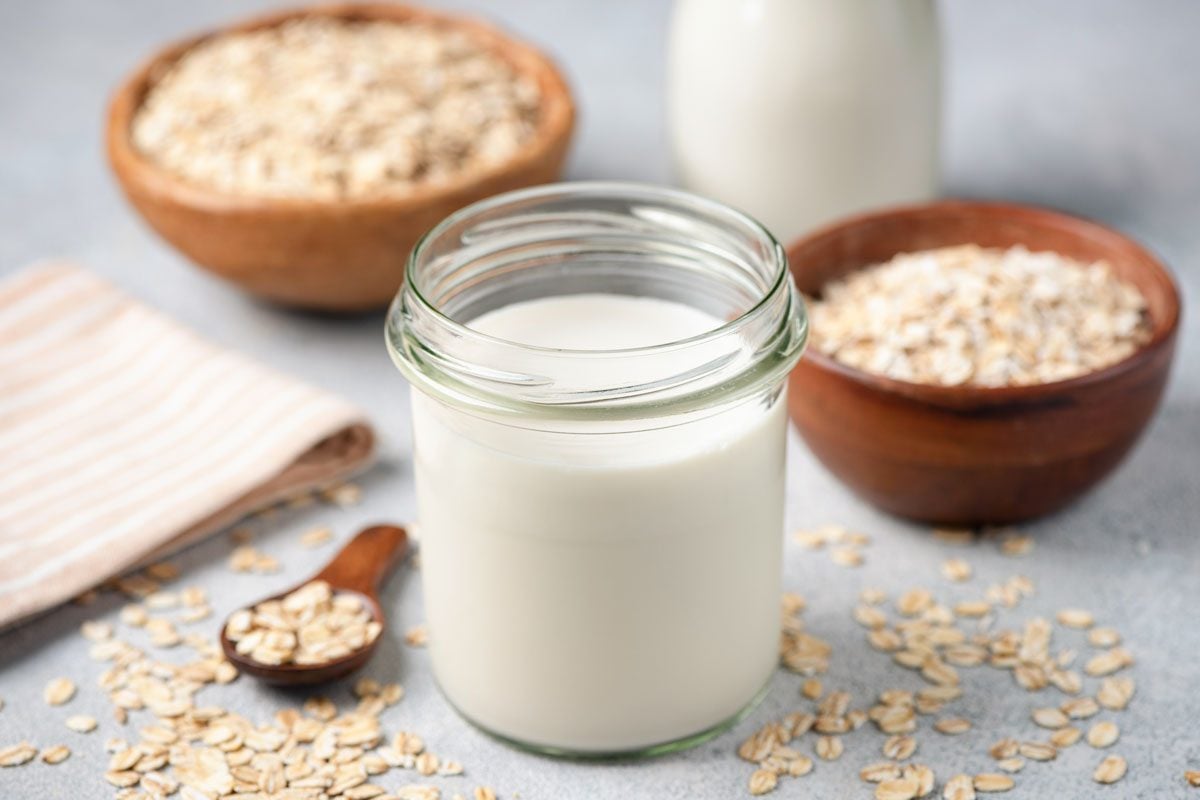
Just as eating a bowl of oatmeal can benefit heart health, oat-based drinks may offer similar advantages. The key ingredient here is beta-glucan, a soluble fiber found in oats. Beta-glucan acts like a sponge in your digestive system, effectively binding to cholesterol and bile acids, allowing your body to expel them instead of reabsorbing. In turn, your liver draws cholesterol from the bloodstream to create additional bile acids, which helps to lower LDL cholesterol levels over time.
Clinical research supports these claims as well. A 2021 study published in the Journal of Nutrition found that adults who consumed a drink containing one gram of high-molecular-weight oat beta-glucan three times daily for four weeks experienced significant reductions in LDL cholesterol and a decreased risk of cardiovascular issues.
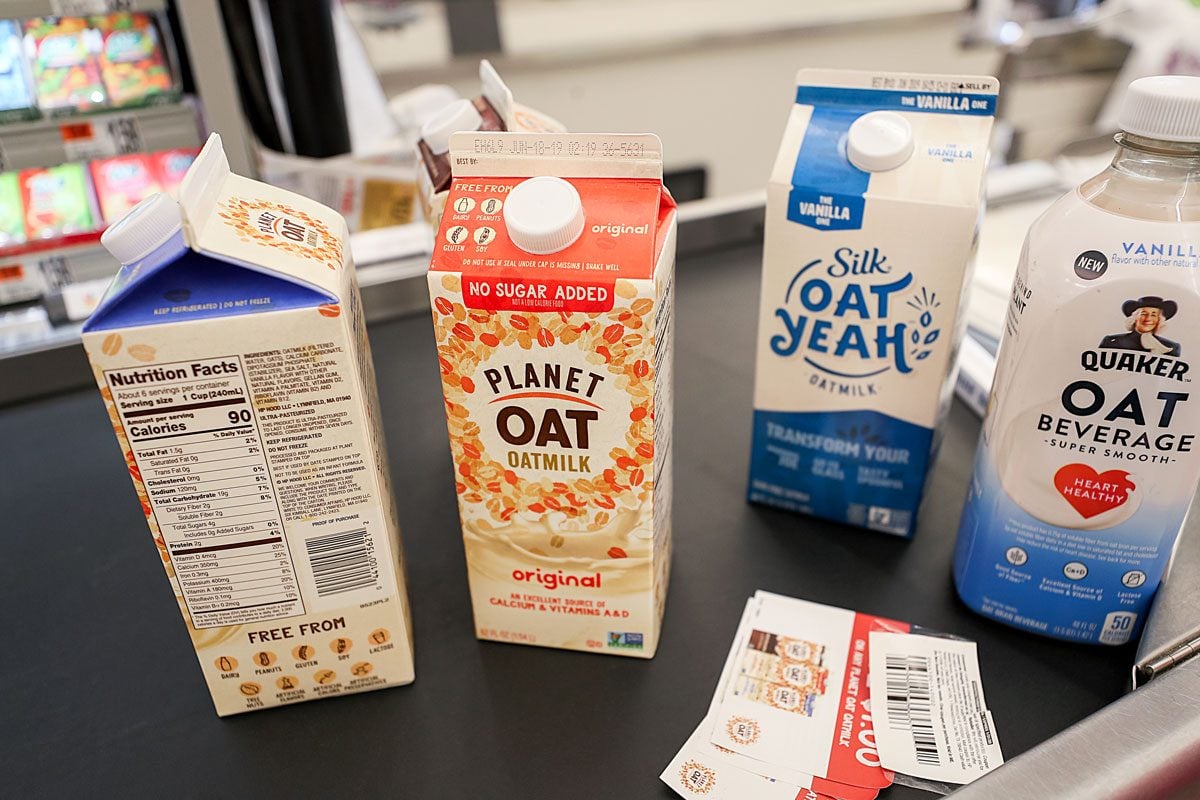
For optimal benefits, choose oat milk that retains its fiber—if you see settling at the bottom of the carton, that’s likely a sign it contains real oats. Standard oat milk typically provides about two grams of soluble fiber per cup, though this may vary among brands. Opt for unsweetened, low-fat versions, as flavored options or “barista” blends often include added sugars and oils that can negate the heart-healthy benefits.
3
/
6
3. Soy Milk
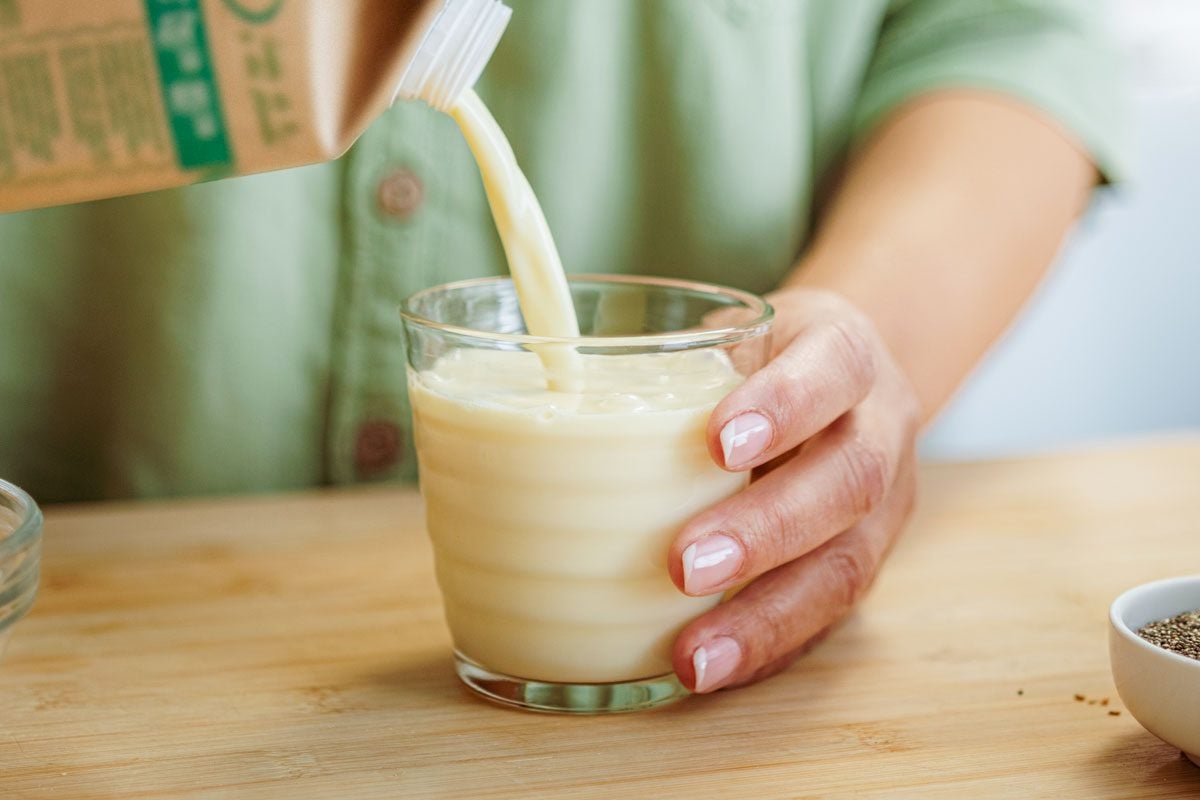
If you’re looking to improve your cholesterol levels, soy milk is a prime plant-based alternative. The cholesterol-lowering benefits stem from soy proteins like glycinin and beta-conglycinin, which reduce the amount of cholesterol absorbed in the gut and encourage the liver to expel more cholesterol from the bloodstream.
A 2024 meta-analysis published in BMC Medicine reviewed extensive research and found that replacing cow’s milk with soy milk did not increase cardiometabolic risks—on the contrary, it may improve these factors. The analysis highlighted potential benefits for blood lipids (including cholesterol and triglycerides), blood pressure, and inflammation across a diverse range of adults.
While research on soy’s impact on cholesterol is ongoing, the general consensus is positive. At the very least, there is no evidence to suggest that soy is detrimental to cholesterol levels, and numerous studies indicate its modest advantages.
Most individuals can safely consume one to two servings of soy foods each day. Opt for fortified versions containing calcium and vitamin D, and prefer plain varieties to avoid unnecessary sugars. If you have a thyroid condition or other health concerns, consult your doctor regarding appropriate soy consumption.
4
/
6
4. Pomegranate Juice
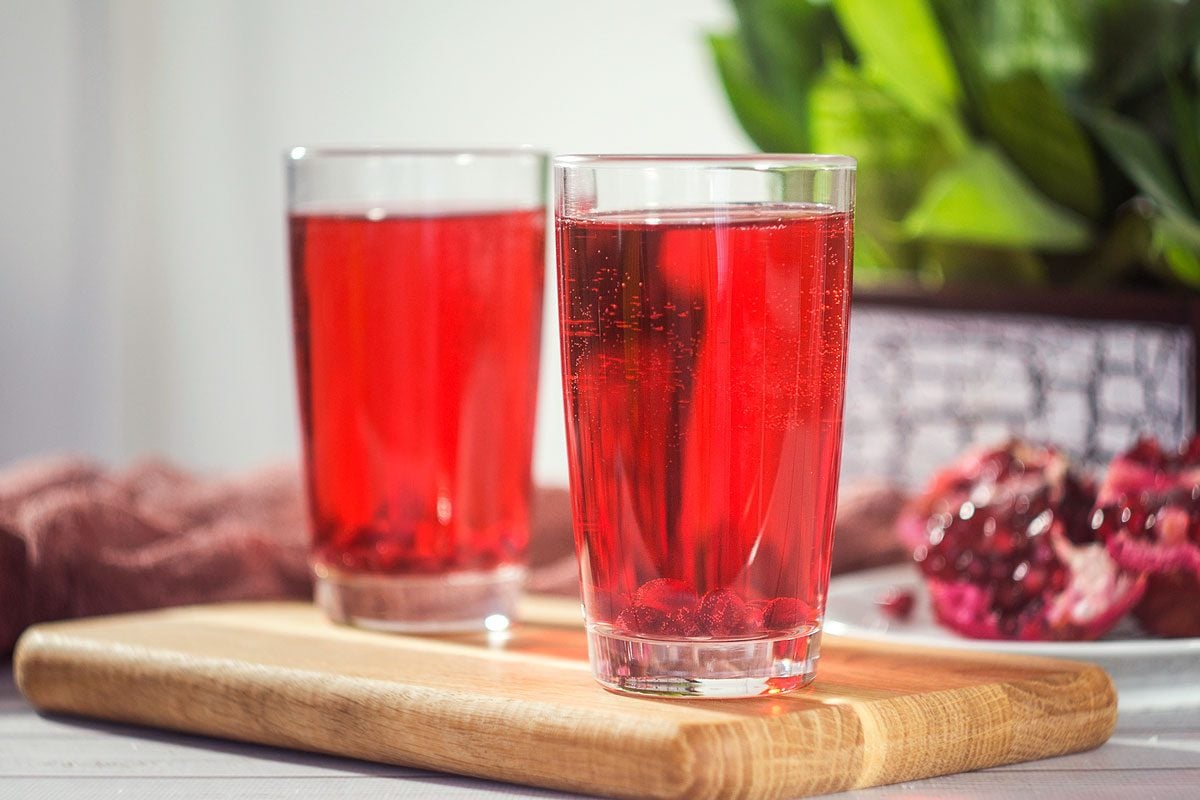
Pomegranate juice is rich in polyphenolic antioxidants, including punicalagins and anthocyanins, which contribute to its heart-healthy reputation.
A 2022 systematic review published in Nutrients suggested that regular consumption of pomegranate can moderately lower LDL cholesterol and triglycerides while raising HDL cholesterol in those with metabolic syndrome. However, the human evidence is still in its preliminary stages. The Mayo Clinic notes that although some small studies propose cholesterol benefits, the overall results are mixed, necessitating larger trials.
For best results, limit yourself to two to four ounces of pure, unsweetened pomegranate juice each day. If the flavor is too intense, consider diluting it with water or sparkling water. Always select 100% pomegranate juice without added sugars, as the fruit offers a naturally tart-sweet flavor.
Pomegranate juice can interact with certain medications, including blood thinners (such as warfarin) and ACE inhibitors. If you’re on prescription medications, consult your doctor before introducing it into your diet.
5
/
6
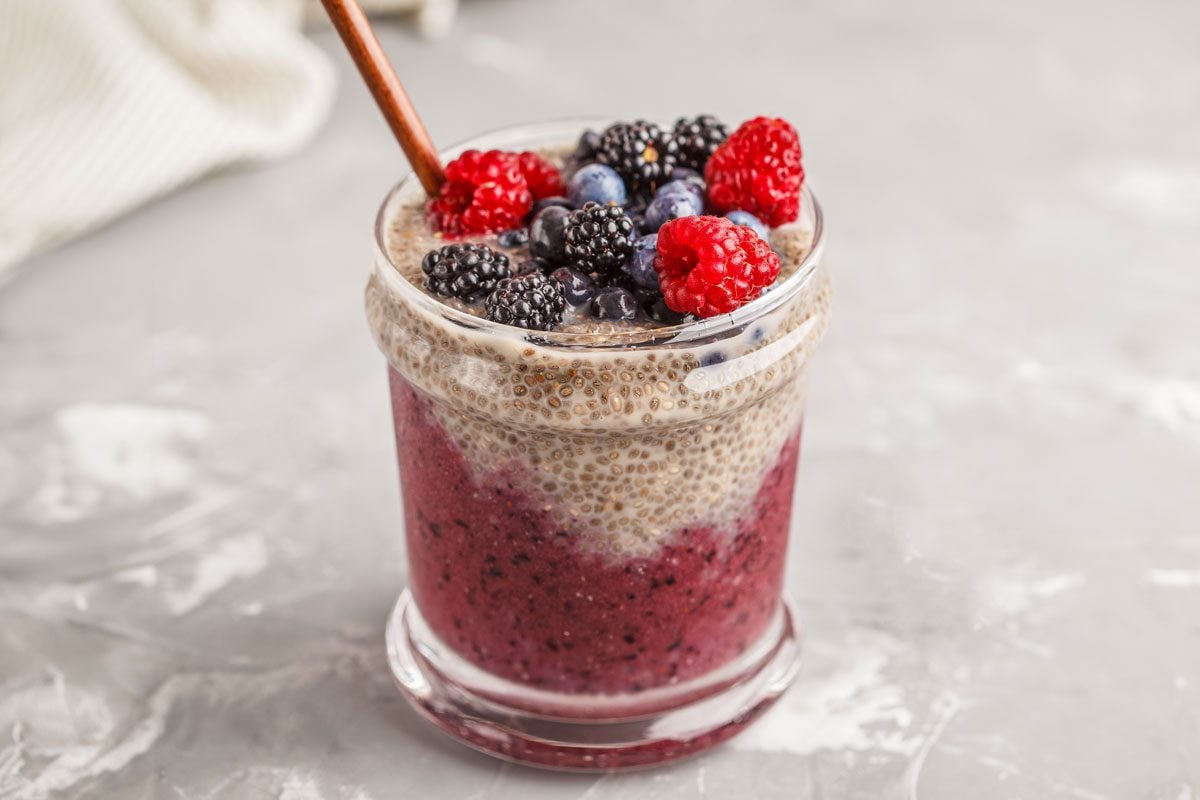
5. Fiber-Rich Smoothies
Incorporating a daily fiber-rich smoothie can be an effective approach to lowering LDL cholesterol. The essential element is soluble fiber, which binds cholesterol and bile acids in your digestive tract, facilitating their elimination from the body.
Excellent additions for soluble fiber in smoothies include ground flaxseed, chia seeds, oats, psyllium husk, apples, bananas, and berries. The Mayo Clinic has found that regular flaxseed consumption lowers both total and LDL cholesterol levels.
Psyllium husk is another scientifically validated option. A study highlighted by Harvard Health in the American Journal of Clinical Nutrition revealed that a daily intake of about 10 grams of psyllium resulted in a decrease of LDL cholesterol by 13 mg/dL after three weeks. The study also noted reductions in non-HDL cholesterol and ApoB, both of which are strong markers for heart disease risk.
Consider adding one tablespoon of ground flaxseed or one teaspoon of psyllium husk to your smoothie. Since psyllium thickens quickly, consume your smoothie soon after blending and remember to hydrate adequately, as fiber requires water for optimal function. For a heart-healthy choice, use whole fruits for sweetness and forgo added sugars or flavored yogurts.
6
/
6

Drinks to Avoid for High Cholesterol
While certain beverages can aid in managing cholesterol levels, others may hinder your progress. If you’re facing high cholesterol, it’s wise to limit, or ideally eliminate, the following:
- High-fat dairy drinks: Beverages like whole milk, milkshakes, and cream-based coffees are high in saturated fats, which can elevate LDL cholesterol levels.
- Sugary drinks: Regular sodas, sweet teas, energy drinks, and flavored coffees can raise triglyceride levels, lower HDL cholesterol, and contribute to weight gain.
- Unfiltered coffee: Types like French press, Turkish coffee, and espresso carry compounds (cafestol and kahweol) that can increase LDL cholesterol. Filtered coffee is the preferable option.
- Alcohol: Current guidance suggests that there is no completely safe level of alcohol consumption. Even small amounts can raise the risks of high blood pressure, cancer, and other chronic conditions. If you choose to drink, moderation is essential.
For regular updates on health and wellness, subscribe to The Healthy by Reader’s Digest newsletter and follow The Healthy on Facebook and Instagram.
Understanding the right beverages can make a significant difference in managing cholesterol levels. By incorporating the positive options and avoiding those that may hinder your progress, you can pave the way towards better heart health.


