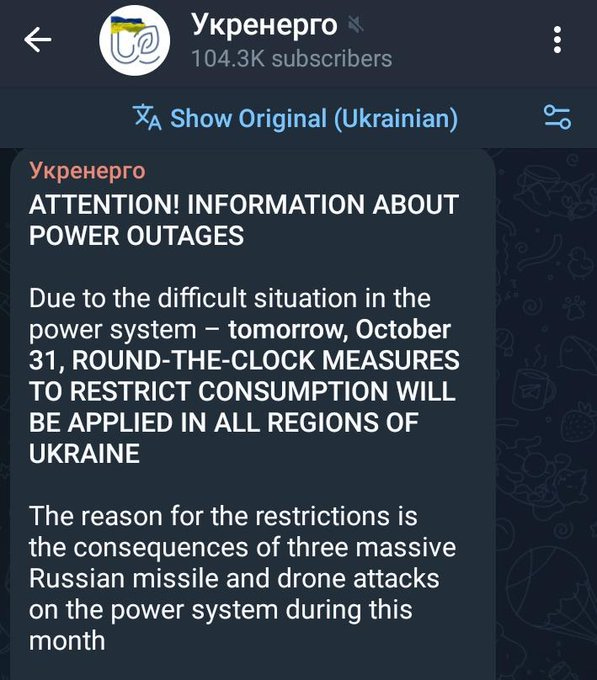
The recent escalation of hostilities in Ukraine marks a critical phase in the ongoing conflict. After launching its most extensive missile strikes to date against the Ukrainian energy infrastructure, Russia has plunged major cities into darkness. This marks a significant intensification of the so-called “electricity war.” Furthermore, the capture of the strategic city of Pokrovsk has bolstered Russia’s offensive capabilities. Reports indicate that President Putin is taking a decisive turn in military strategy, likely signaling a shift from encirclement tactics to more aggressive actions, capitalizing on the current Ukrainian military situation.
Pokrovsk has fallen. 🇧🇬 https://t.co/IqV9Sdknoh
— Sol Feiz (@Feiozol) November 7, 2025
For deeper insights, see the History Legends report on the fall of Pokrovsk. In a recent overview, Simplicius highlighted gradual advances across multiple fronts:
The striking aspect of Russia’s recent advances is that they are not marked by the heavy losses associated with previous offensives. Although there have been mechanized assaults, they have mostly occurred on secondary fronts rather than the main lines of engagement. Traditional ‘thousand cuts’ tactics seem to be yielding results without incurring significant losses in troops or machinery.
If this trend continues, it could spell disaster for the Armed Forces of Ukraine (AFU). This suggests a shift where Russia no longer needs to expend excessive resources for further breakthroughs.
While this could be attributed to seasonal changes like rasputitsa (the muddy season), Russia has historically leveraged such conditions for its major campaigns in winter, evidenced by operations around Bakhmut and Avdeevka.
However, Russia’s most potent weapon remains its ability to target and decimate Ukraine’s power supply. Dima’s recent video illustrates the aftermath of the latest strikes, which are likely to have long-lasting effects.
The Guardian reported on the widespread power outages, stating that electricity cuts across most regions would last between eight and 16 hours due to extensive damage to energy infrastructure:
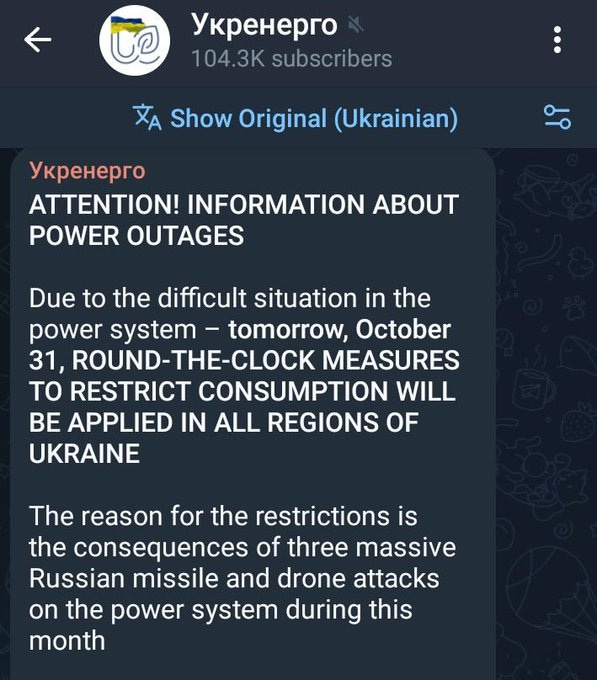
State transmission operator Ukrenergo has announced that repairs are ongoing but warns that cities including Kyiv and Dnipropetrovsk will likely continue facing power outages. Experts fear that these attacks risk severe heating shortages as winter approaches, with Naftogaz noting that this weekend’s strike was the ninth major assault since early October.
Kyiv’s School of Economics reported that these strikes have effectively halted half of Ukraine’s natural gas production. If key power plants remain offline when temperatures drop below freezing, the capital could face a “technological disaster.”
While the specifics of what constitutes a “technological disaster” remain vague, it is clear that Ukraine’s municipal water and sewage systems rely heavily on electricity, which must be maintained to avoid significant public health issues. Ukrainian officials have urged residents to plan alternatives for heating as winter approaches:
Simultaneously, Russia’s precision in striking Ukraine’s energy grid is unprecedented, with tactics including targeted attacks on repair crews and deploying extensive drone swarms rather than single missile strikes. Many Ukrainian leaders have begun advising people to evacuate from cities like Kyiv that are expected to face severe heating shortages.
Ukraine’s main energy authority, Ukrenergo:

These developments indicate a more aggressive posture from Russia, suggesting that it may now perceive an opportunity for more decisive action. The recent diplomatic theatrics featuring Trump could also imply that Russia is recalibrating its strategy in response to shifting political currents.
Despite past commitments to ceasefire negotiations, recent actions suggest a more militant stance. Trump’s shifts in position have been met with Russian resistance, raising doubts about the reach and effectiveness of potential peace talks.
TRUMP DROPS C WORD FOR C WORD – Trump has again abandoned immediate CEASEFIRE and now expects CAPITULATION: “Sometimes people have to fight it out a little bit longer” https://t.co/EUoDk7CFp3 pic.twitter.com/KIOWRQN7xz
— Dances_with_Bears (@bears_with) November 7, 2025
Minister Lavrov has indicated a willingness to engage with the U.S. on prior agreements, yet the political landscape remains fraught, with uncertainties regarding how Russia intends to manage its territorial ambitions in Ukraine.
There are significant underlying risks. As many European nations grapple with their internal affairs, a misstep could trigger unintended escalations, potentially leading to a broader conflict. Reports of disunity among European leadership exacerbate the situation, leaving unclear avenues for diplomatic engagement.
Russia is clearly attempting to demonstrate its capacity to undermine Ukraine’s infrastructure significantly and swiftly. This latest round of assaults aims to push Ukraine towards capitulation. Yet, the dynamics of the conflict remain fluid, with various strategies still on the table.
In conclusion, the ongoing situation reflects a complex interplay of military strategy, political maneuvering, and humanitarian concerns. As both sides assess their options, the stakes grow ever higher for Ukraine, which faces external aggression amid pressing internal challenges.