This article provides an analysis of the escalating tensions between the U.S. and Iran, particularly regarding military and economic conflicts. It delves into the interconnected challenges facing global economies and political structures, warning about the potential for sudden disruptions. The intention is to highlight the complex dynamics at play rather than merely assess the current situation.
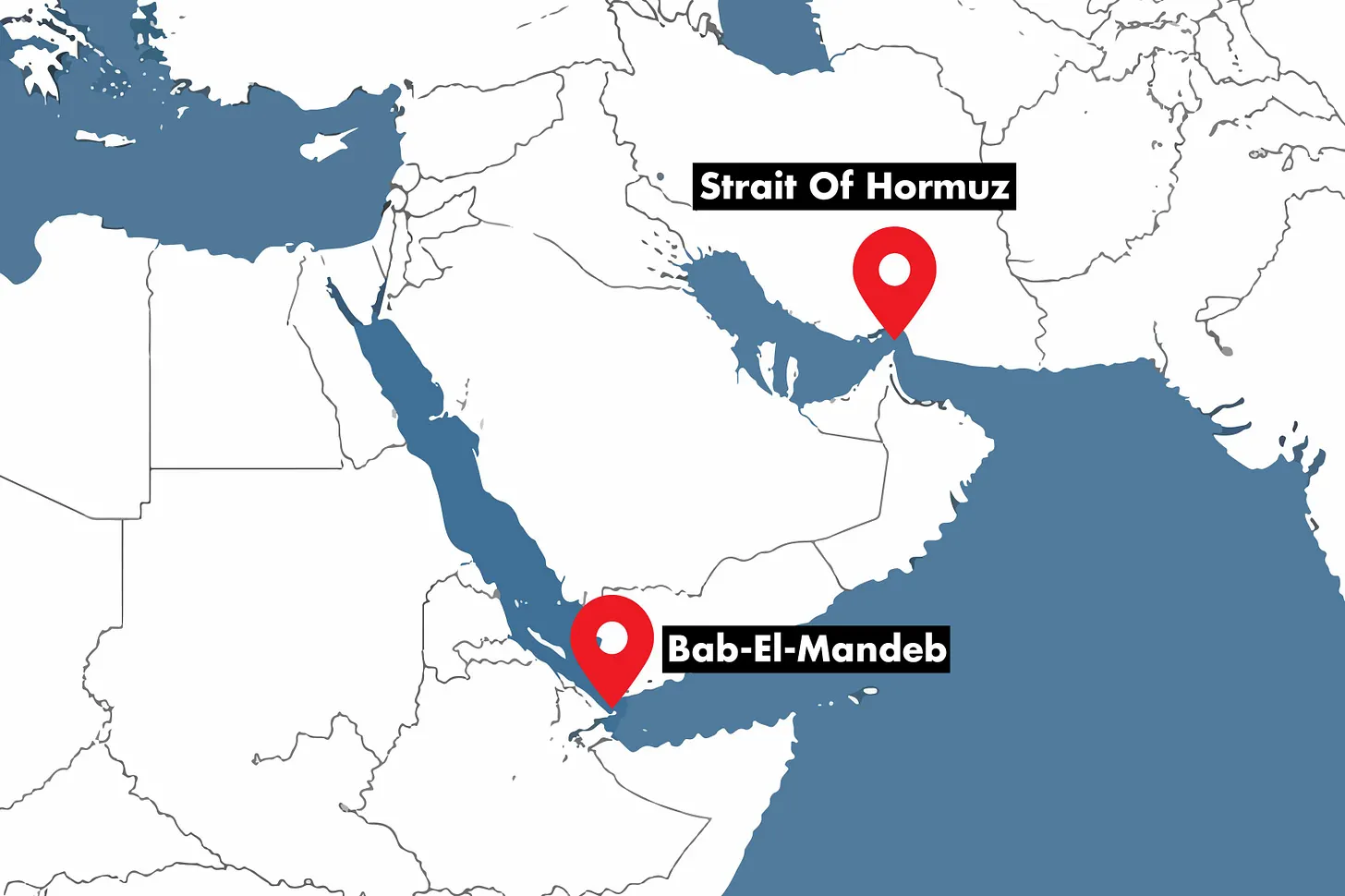
Recent developments, including Ansar Allah’s blockade of the Bab el Mandeb strait, President Trump’s escalation strategies, and Iran’s targeted strikes on vital energy infrastructure, have collectively contributed to mounting pressures on various fronts: economic, military, and political. However, many analysts offer overly simplistic projections, assuming a linear progression of events as suggested by figures like Robert Pape, who believes the current state can persist for the next six months. Such forecasts overlook the potential for rapid and unpredictable shifts when systems are under strain.
As has been previously observed during financial crises, excessive energy pumped into a system can lead to abrupt transitions, changing its state from order to disorder. For example, ice melts into water, which can then become steam through increased heat.
Following the Great Crash and the subsequent Depression, a framework of regulations was established to avoid systemic collapses akin to those seen in developing nations, where the costs of recovery fall disproportionately on the working class. Advanced economies were expected to avoid such dire situations, struggling instead with slower-moving crises like the Savings and Loan (S&L) debacle, where the burdens were broadly but inequitably spread.
The nearly catastrophic failure of the global financial system in late 2008 was largely due to the authorities offering only temporary solutions through numerous acute phases, ultimately failing to prepare for the fallout of Lehman Brothers’ insolvency. The subsequent collapse occurred in a manner few anticipated, with inadequate preparations leading to widespread financial panic. Notably, despite hiring leading bankruptcy attorney Harvey Miller, Lehman’s team received no guidance from governmental officials about potential crises that could arise from their bankruptcy.
In contrast to the singular crisis faced in 2008—which centered on derivatives linked to subprime mortgages—today’s financial landscape presents several impending threats. These include a potential collapse of the AI stock market bubble, the increasing burden of private debt, and volatile cryptocurrencies. Unlike the stimulus measures seen in 2008 that mitigated economic fallout, today’s excessive Chinese debt and a struggling electric vehicle industry could exacerbate the situation.
As political and military tensions heighten, the pressing question arises: how will these financial flashpoints be affected by increased pressure in the Strait of Hormuz or Bab el Mandeb, potentially resulting in critical shortages of essential supplies like diesel? The outlook is far from optimistic. Consider this troubling sign:
A massive leverage unwind is underway in semiconductor ETFs:
Assets under management (AUM) in US leveraged semiconductor ETFs have dropped -$63 billion from the June peak, to $100 billion, the lowest since late April.
This marks a -39% decline, the largest drawdown since April… pic.twitter.com/EsnxvTvHM6
— The Kobeissi Letter (@KobeissiLetter) July 19, 2026
The interconnectedness of economic, military, and political crises increases the likelihood that a significant disruption in one area—such as a spike in oil prices or shortages of liquefied natural gas—could trigger unexpected and far-reaching consequences in others.
On the military front, Trump has doubled down on punitive measures aimed at pressuring Iran to comply and relinquish its grip on the Strait of Hormuz. However, experts agree that the U.S. lacks the capacity to achieve such aims and will soon be revealed as ineffective. Reports indicate that Iran is methodically pushing U.S. forces out of the Gulf region, with strategies to drive them further into Jordan and potentially into Israel, leading to increased direct confrontations.
Speculation is growing that desperate measures, such as a show of military strength or even aerial bombardments targeting Iranian assets, could be on the horizon as the U.S. grapples with diminishing options. Some analysts, including Brandon Weichert and Karen Kwaitkowski, suggest even nuclear capabilities could be considered, although this continues to face significant skepticism.
The efficacy of the existing sanctions regime against Iran is now under scrutiny. With the intensity of the sanctions reaching extreme levels, it is evident that the ongoing conflict is failing to incrementally destabilize Iran’s economy as intended.
The broader implications suggest a growing recognition in Washington of the U.S. military’s dwindling leverage. The dilemma remains: should the U.S. withdraw and concede influence in West Asia to Iran, Russia, and China, or persist in military engagement, risking the total withdrawal of American hegemony?
‼️ The truth of the situation is becoming shockingly clear to more and more people in Washington.
But the dilemma remains: withdraw and relinquish West Asia to the Iran / Russia / China bloc, or continue to fight and relinquish the entire empire. https://t.co/iR0CveiMy6
— Will Schryver (@imetatronink) July 20, 2026
⚡️⭕️ New Telegraph report: a US official says Washington does not have enough missiles to sustain an all-out war with Iran, amid a Washington Post assessment that Trump’s escalation path against Iran has hit a dead end. Iran is described as able to withstand losses despite…
— Middle East Observer (@ME_Observer_) July 21, 2026
While the U.S. military capability diminishes, Iran’s strength grows. A recent analysis by Military Watch highlights that Iran’s missile capabilities continue to evolve, even in the face of prolonged assaults from U.S. and Israeli forces. Intelligence reports indicate that although there has been damage to launch sites, Iran has retained much of its missile development capacity, leading to concerns about the durability of U.S. military strategies.
Additionally, Iran appears to be executing a systematic campaign aimed at eroding the infrastructure through which the U.S. and its allies exert military influence in the Middle East. This is not merely random retaliation; it is a calculated strategy with specific warfare principles in mind:
1. Suppression of enemy support infrastructure.
2. Degradation of intelligence, surveillance, and reconnaissance capabilities.
3. Attrition of air defense and interceptor inventories.
4. Disruption of logistics and sustainment.
5. Political pressure on host nations.
6. Shaping the operational environment before larger actions.
Iran remains poised not just in defensive posture but is actively shaping the battlefield for further potential attacks. The situation in the Strait of Hormuz is becoming increasingly untenable for the U.S., further highlighted by Iran’s concerted efforts to displace U.S. forces from key military installations and disrupt operational capabilities. Recent attacks have deeply impacted U.S. bases across the region, forcing significant withdrawals of equipment and personnel.
Despite U.S. escalations, the Iranian strategy is yielding substantial results. Reports indicate ongoing assaults on U.S.-aligned targets, underscoring the ineffectiveness of the “maximum pressure” approach and its inability to achieve its stated objectives of weakening Iran.
With the Houthis declaring a maritime embargo against Saudi Arabia, the pressures surrounding global petroleum supplies are intensifying, further complicating the geopolitical landscape. This is coming at a time when U.S. crude reserves are critically low, leading to increased threat levels for maritime operations in a region already beset by conflict.
Saudi Arabia may attempt to back down in the wake of these increasing hostilities, yet there are indications they are just as determined to maintain their current course, refusing to negotiate despite growing geopolitical hostility.
Recent developments indicate chaos is rapidly engulfing the Bab el-Mandeb Strait, with potentially severe consequences for global oil supply routes. The longer the situation remains unresolved, the greater the risk of a wider military conflict.
Ultimately, the ability to navigate this precarious situation hinges on the carefully weighed decisions of all involved, particularly as the interplay between military might and economic stability continues to evolve. Analysts remain skeptical, identifying that the cost-benefit analyses that underpin maritime and operational strategies will weigh heavily on the days to come.
As this situation unfolds, it remains imperative to monitor not only military actions but also the vast economic implications which could lead to unforeseen crises. We remain in a precarious state, where the intersection of global diplomacy, economic viability, and military engagement continues to dictate the course of history.