Publisher’s Perspective
North Carolina’s coast is one of our state’s greatest assets. It serves as an economic engine, a source of food and livelihood, a natural defense against storms, and an integral part of our heritage.
The recently approved budget by the North Carolina General Assembly deserves recognition for making meaningful investments that will benefit our coast and the entire state for years to come.
In a time when bipartisan accomplishments appear increasingly rare, legislators united to protect our waters, strengthen coastal communities, and ensure that future generations inherit a healthier, more resilient coast.
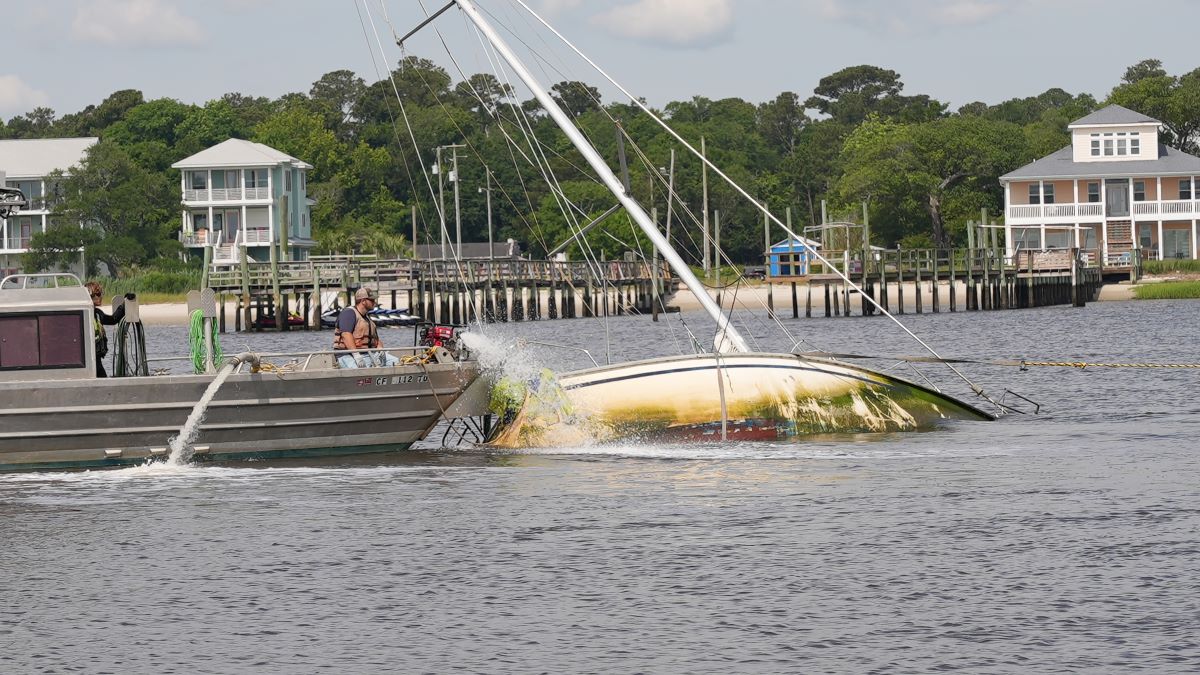
Among the notable achievements is the establishment of permanent funding for the removal of abandoned and derelict vessels. These boats, left unattended, pollute our coastal waters, damage marshes and oyster habitats, threaten navigation, and become even more hazardous after hurricanes.
In partnership with the N.C. Wildlife Resources Commission, N.C. Department of Environmental Quality, and various organizations, the North Carolina Coastal Federation has led the state’s largest abandoned vessel removal program. Hundreds of vessels have been removed from public waters in the years following Hurricane Florence, relying on a patchwork of temporary funding. Without a stable solution, the program was at risk.
The General Assembly addressed this concern in this year’s budget by allocating recurring funds for the removal of abandoned vessels. With stable funding, North Carolina can respond more swiftly after storms, attract additional federal dollars, and keep dangerous vessels out of our coastal waters for years to come. Special recognition goes to Sen. Michael Lee of New Hanover County for his sustained efforts and support for this funding.
Additionally, the budget supports projects aimed at improving water quality, enhancing coastal resilience, and preserving the natural resources vital to our economy and quality of life. Healthy coastal waters and habitats are critical for commercial and recreational fishing, tourism, military readiness, property values, and local jobs throughout coastal North Carolina. These investments emphasize that protecting our coast is an economic priority.
These achievements result from years of collaboration among legislators, state agencies, local governments, conservation organizations, fishermen, business leaders, and coastal residents who recognize the connection between good stewardship and a robust economy.
Particular praise also goes to Sen. Norm Sanderson and Rep. Celeste Cairns for their leadership on the Coastal Federation’s budget requests this year.
I want to acknowledge the many members and supporters of the North Carolina Coastal Federation. Our effective advocacy — in coastal communities and the Legislative Building in Raleigh — is possible due to the backing of thousands of citizens, businesses, foundations, and partners. Their support grants us the expertise, credibility, and persistence needed to work across party lines and translate good ideas into public policy.
Advocacy is often perceived through the lens of headlines, but it is typically built on patient relationship-building, sound science, practical problem-solving, and a willingness to find common ground. This year’s budget exemplifies what can be achieved when those elements align.
However, our work is not over. North Carolina faces ongoing challenges from storms and flooding, aging infrastructure, development pressures, and changing coastal ecosystems. Addressing these challenges will demand continued cooperation, innovation, and sustained investment.
This budget serves as a reminder that protecting North Carolina’s coast transcends partisan issues. It is an investment in our economy, our communities, and the legacy we leave for future generations. This is something every North Carolinian can celebrate.